Carmel Monastery of Toulouse
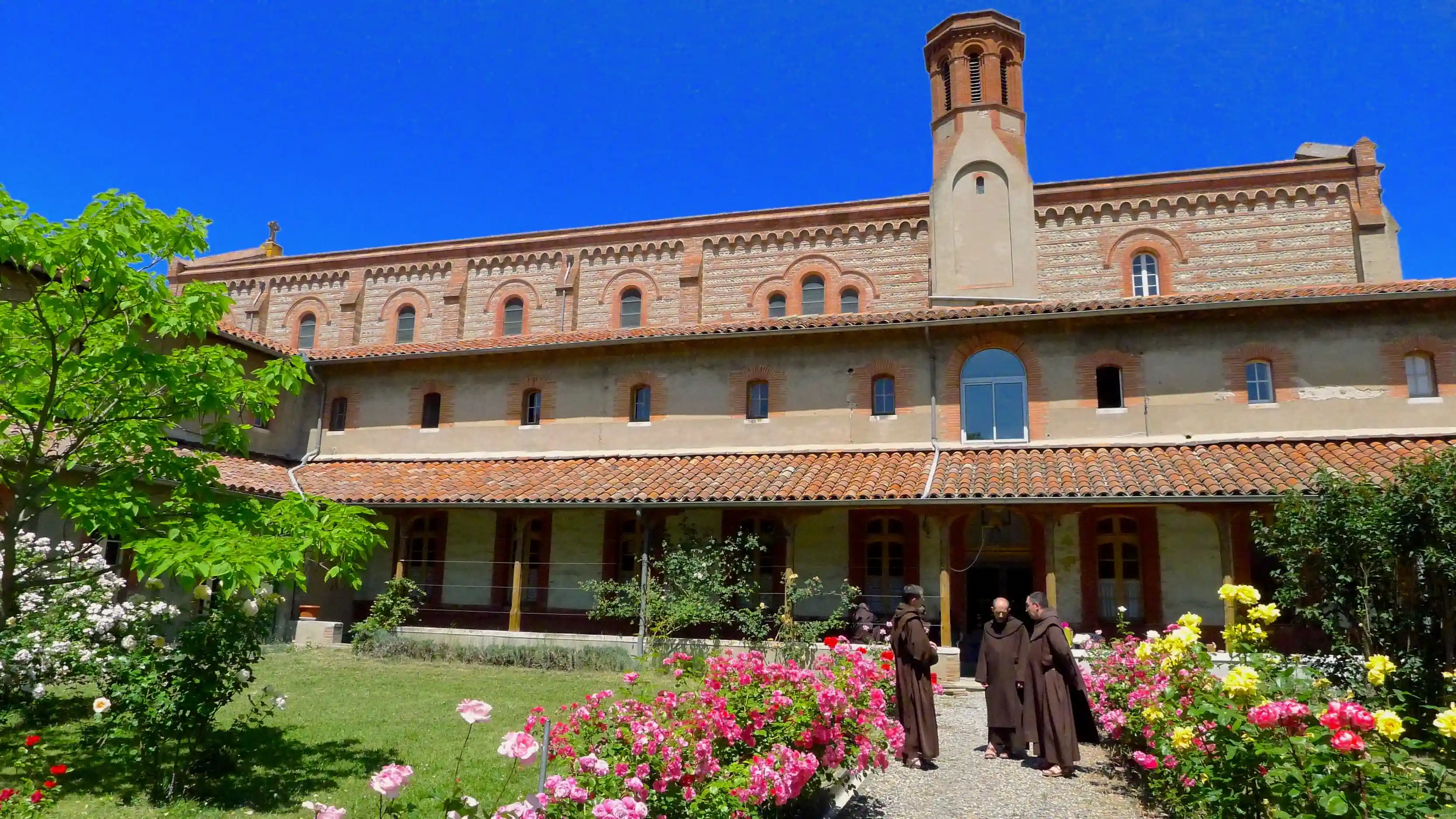
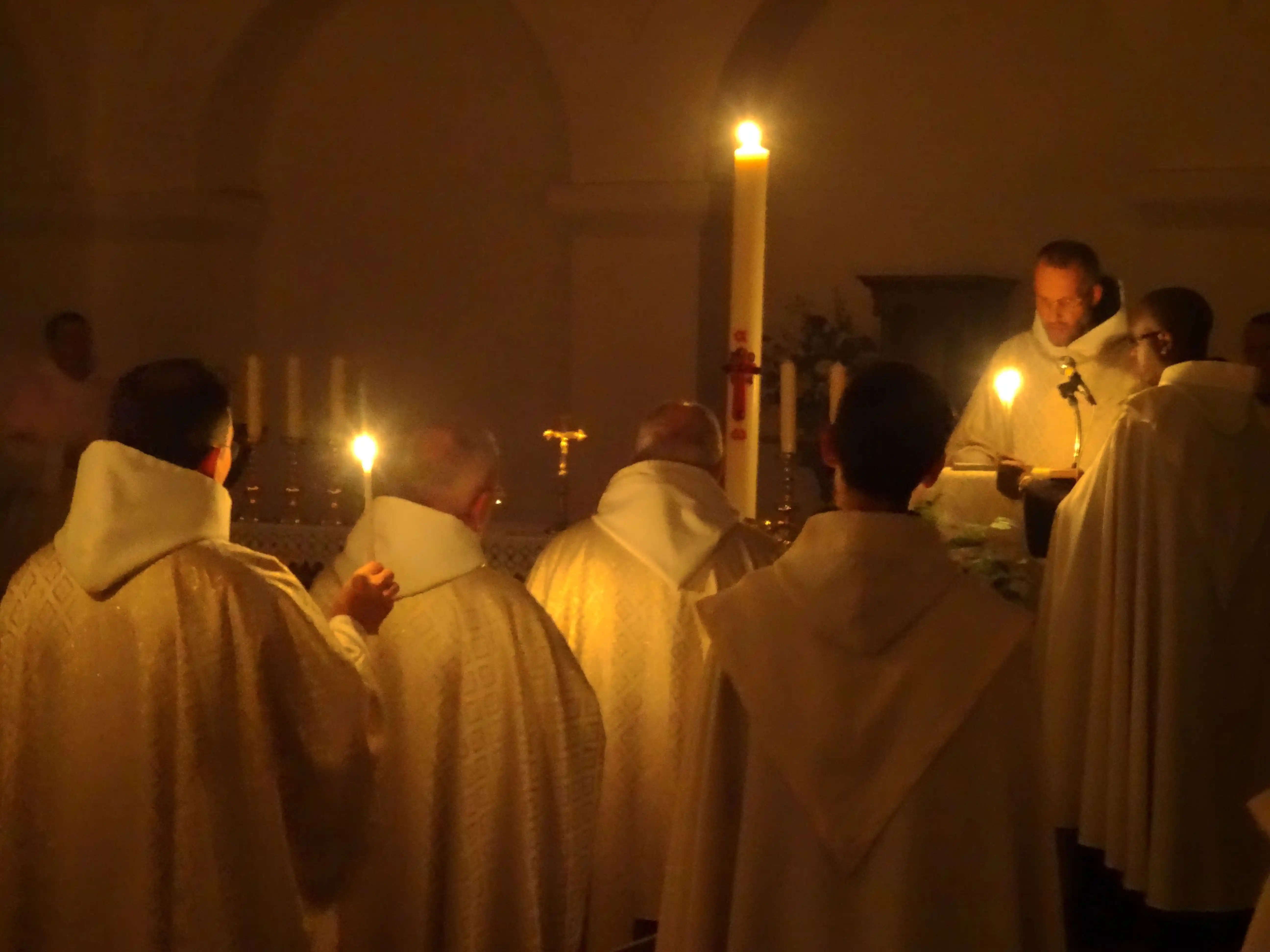
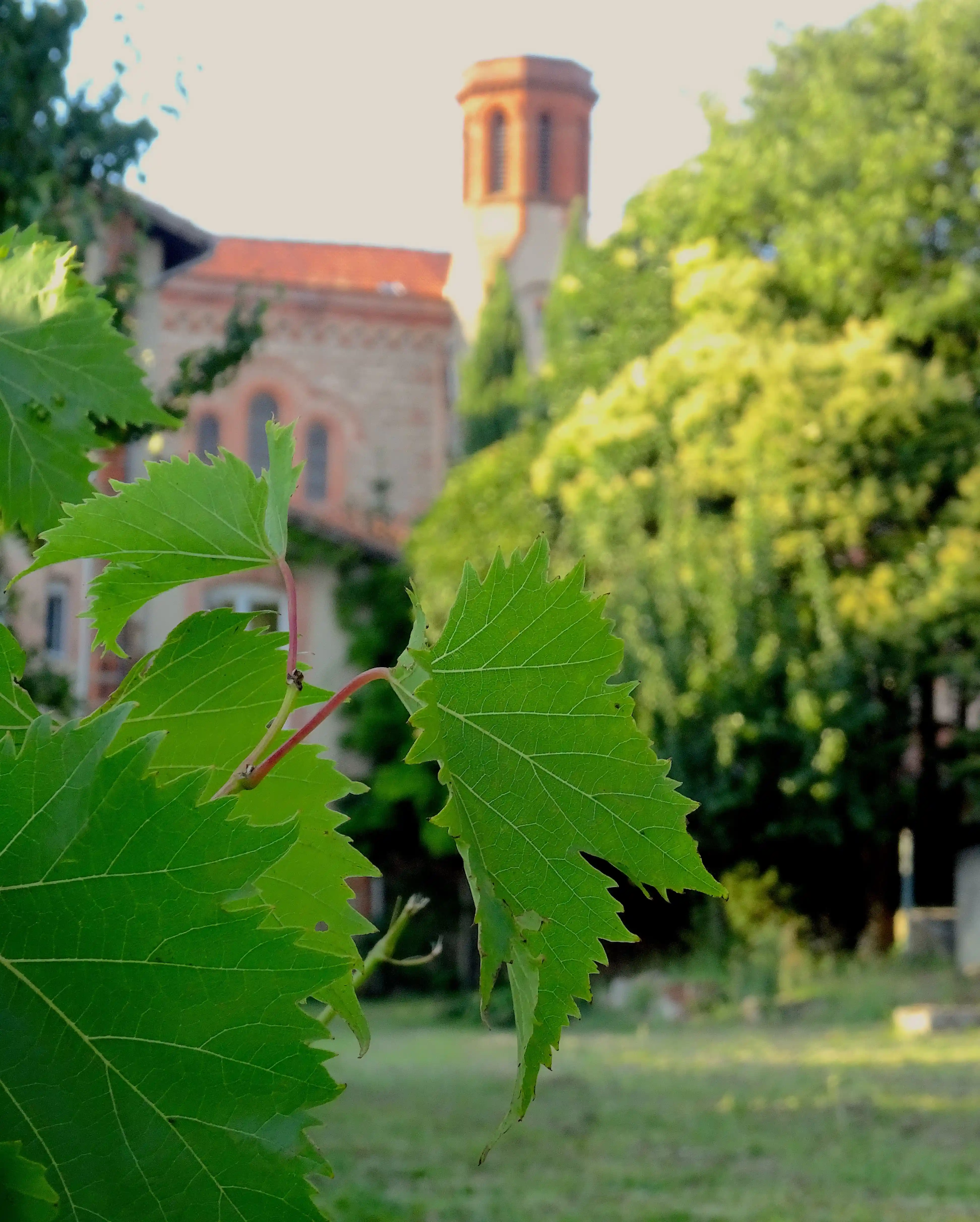
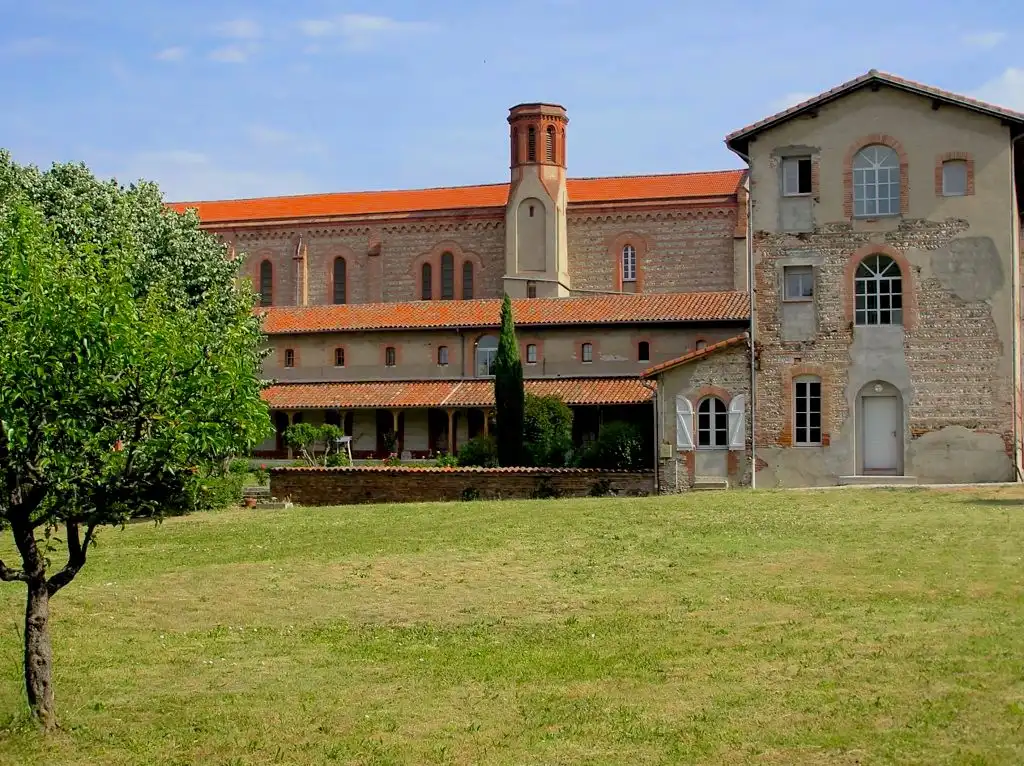
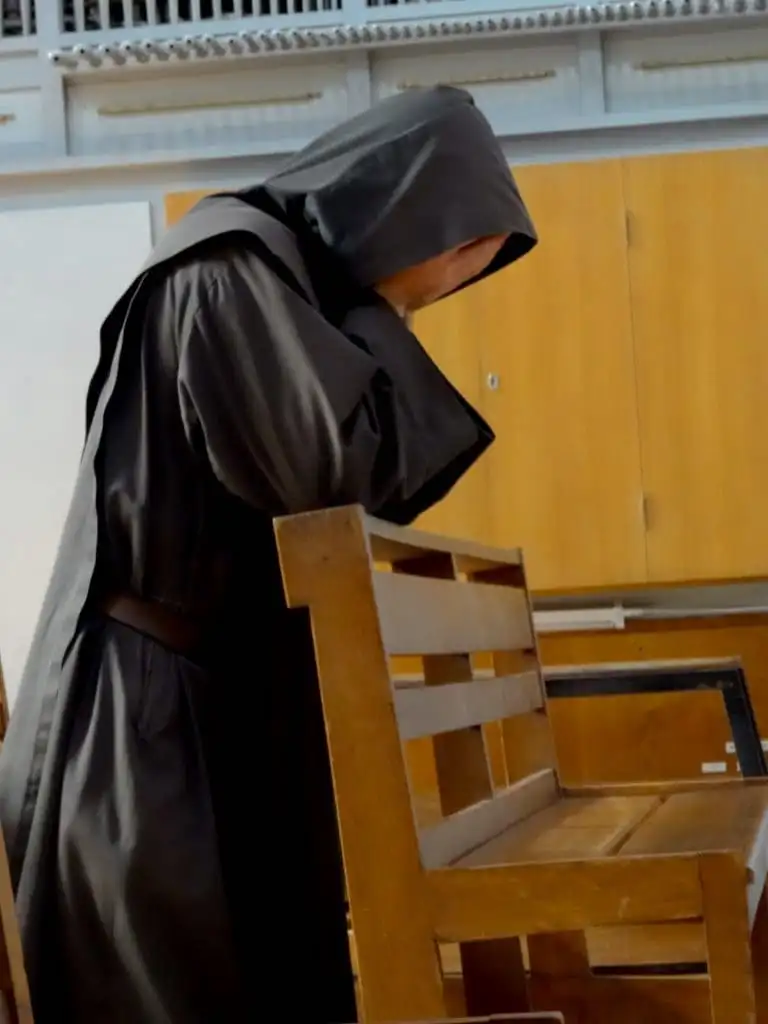
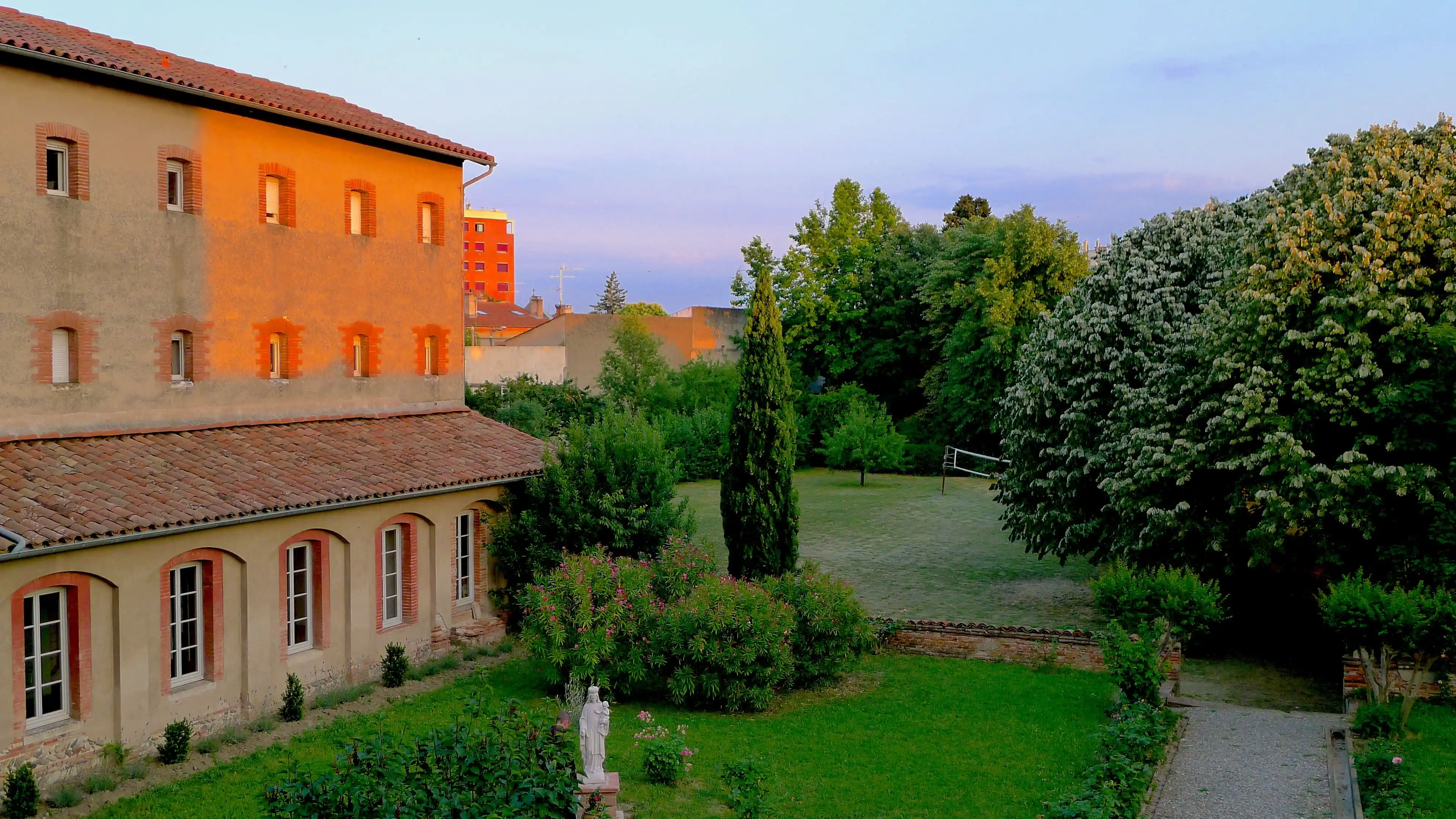
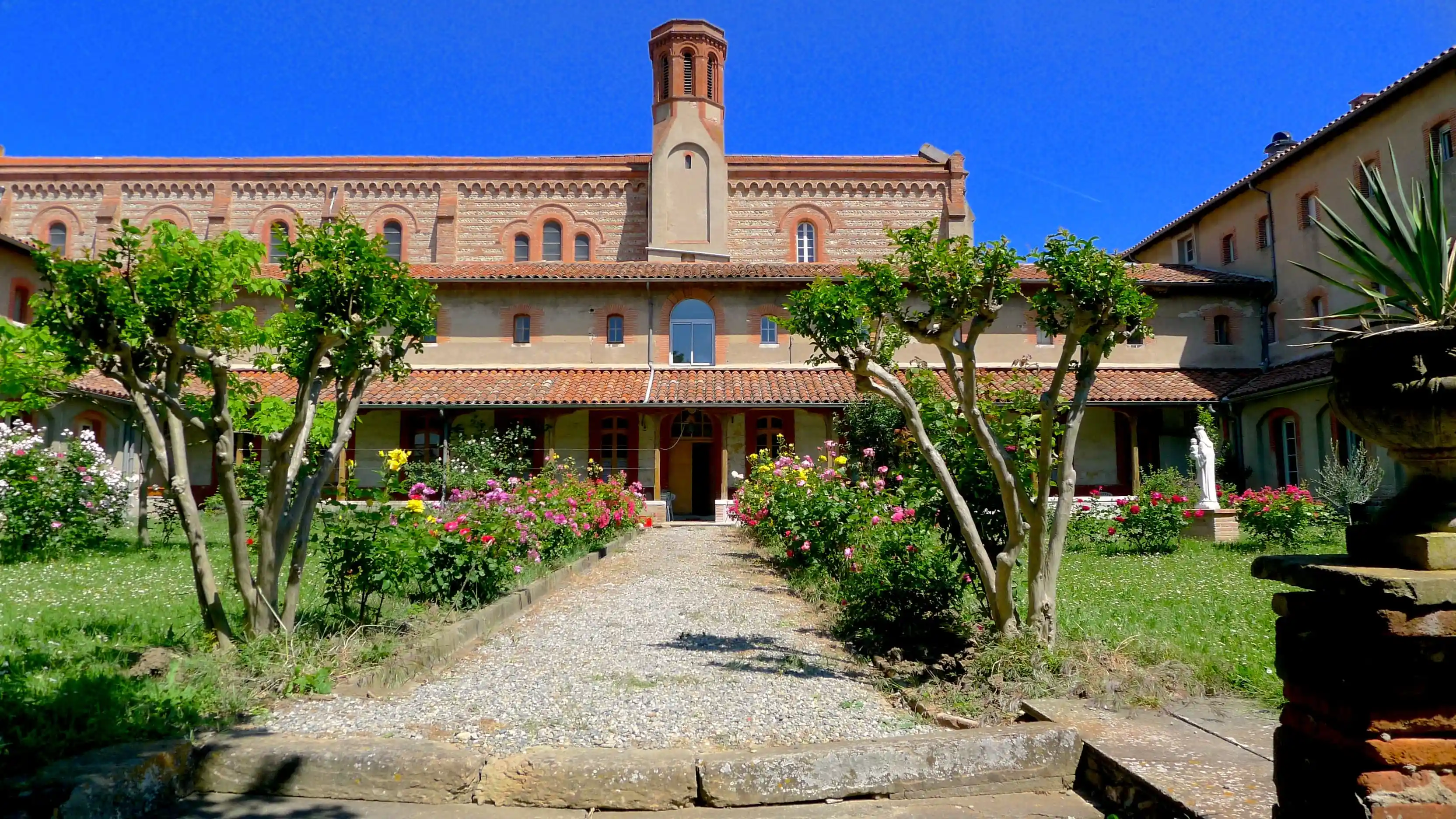
Nestled in the heart of the Pink City, the Carmel Monastery of Toulouse offers an exceptional setting (gardens, chapel, and library) to find renewal and welcomes individuals who wish to experience a personal spiritual retreat!
Retreats organized by the community
A brief history of the Carmelites of Toulouse
The presence of the Calced Carmelites in Toulouse dates back to 1264 when they settled in the Saint-Michel suburb, and that of the Discalced Carmelites dates back to 1622. However, during the French Revolution, contemplative religious congregations were banned in 1790, and their property was confiscated in 1791. In 1808, for lack of a buyer, the city demolished the church and monastery to create Place des Carmes.
In 1872, the Discalced Carmelites returned to Toulouse but were expelled again in 1880 and then headed to Spain. Their return to Toulouse dates from 1986, after more than a century of absence. They founded a second house in 1988 for theology students.
Finally in the year 2000, the two communities joined together in the Capuchin monastery founded by the Venerable Father Marie-Antoine de Lavaur in the mid-19th century, on Côte Pavée. The community is a formation community: young brothers come to study philosophy and theology there.
What is the Order of Discalced Carmelites?
The Order of Carmel is a mendicant and contemplative order founded in the 13th century in the Holy Land, on Mount Carmel. It received its Rule from Saint Albert, Latin Patriarch of Jerusalem. The spirituality of the order has given the Church a long line of saints including Saint Teresa of Avila, Saint John of the Cross, Saint Thérèse of Lisieux, and Saint Teresa Benedicta of the Cross (Edith Stein).
The life of the Carmelite Brothers (of the Order of Discalced Carmelites, abbreviated OCD for those in the know or fans of acronyms), is characterized by the primacy given to contemplation, particularly through the two hours of daily silent prayer (mental prayer).
Discalced Brothers and Discalced Nuns take their name from the fact that they did not wear sandals. They have been Discalced since the reform of Saint Teresa of Avila in the 16th century in Spain.
What to expect during your stay
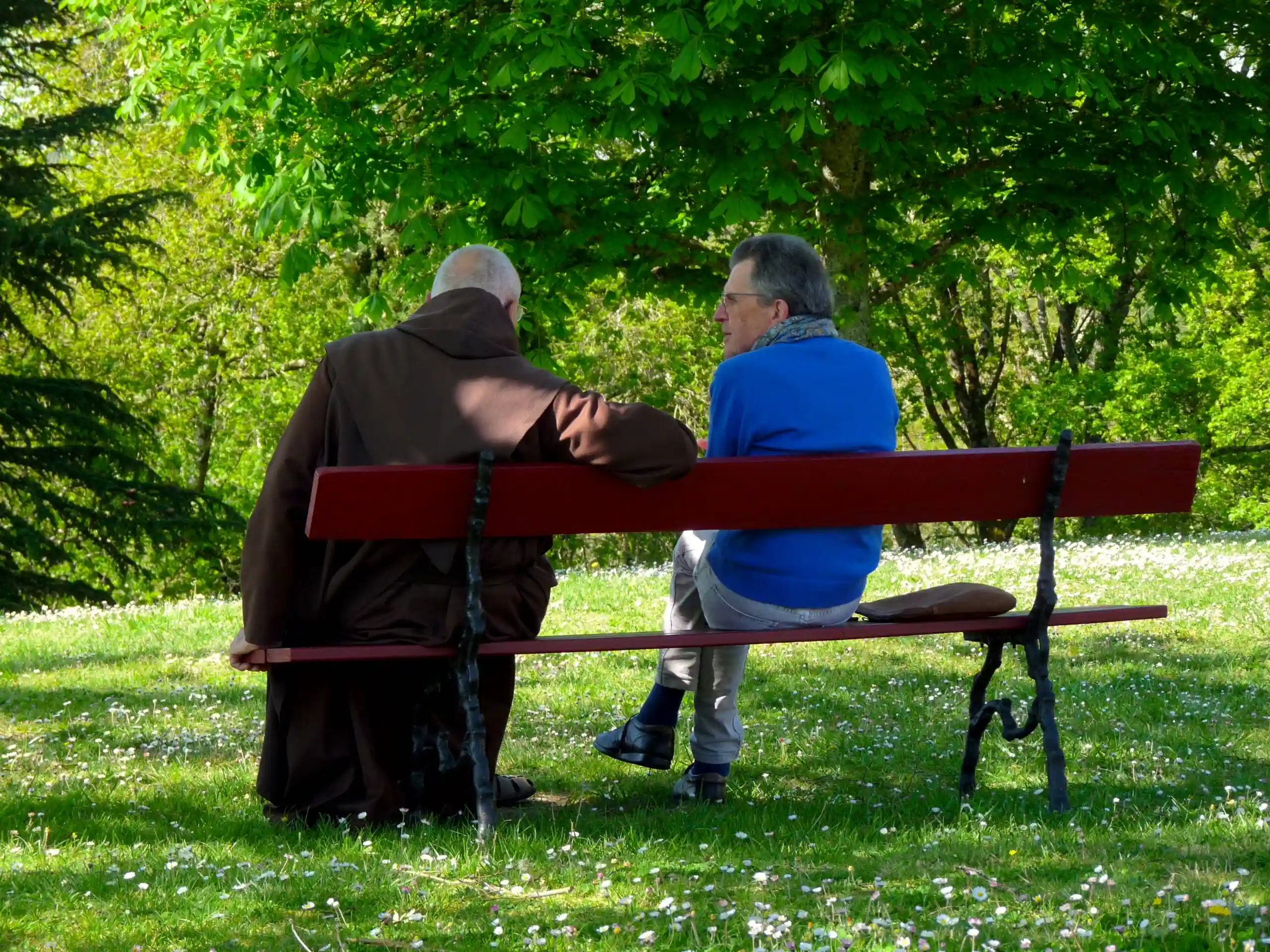
Spend a few days in the community alongside the Brothers
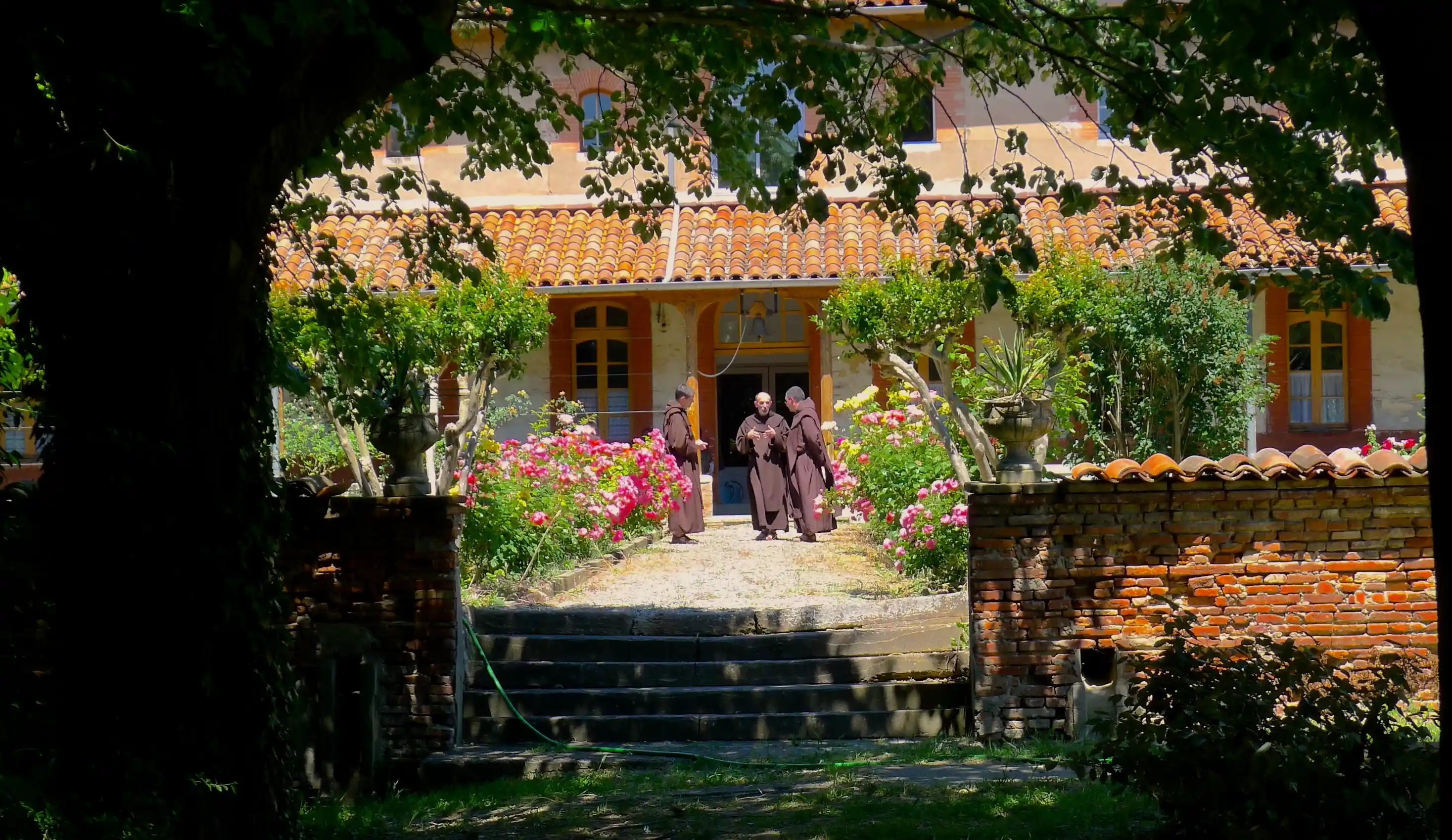
The Carmelites of Toulouse warmly welcome anyone who wishes to experience a time of renewal and spiritual retreat with them. The brothers invite you to experience a silent retreat. What will be offered:
- Participation in the Liturgy of the Hours with the brothers five times a day, meaning the prayer times that structure the day of the community.
- Personal reading and meditation, as well as the possibility of meeting with a priest from the community.
- Guests can participate, if they wish, in various tasks of the monastery: garden maintenance, fruit picking, all kinds of handiwork (painting, etc.), sewing, and more.
The guest house and retreat facilities in Toulouse
Completely renovated in 2020, the guest house includes four single rooms and two double rooms, equipped with showers, sinks, and toilets.
A library is available for guests and a garden is dedicated to them. Three rooms with a capacity of 20 to 40 people each can be made available to groups.
Accessible to guests day and night, the church is the beating heart of the monastery. The tomb of Father Marie-Antoine, a Capuchin declared venerable in January 2020, is located in the church. He is credited with developing pilgrimages to Lourdes, having instituted the Marian candlelight processions at the Lourdes sanctuary. The bookstore of Éditions du Carmel is located in the crypt, beneath the monastery church.
Important practical note: the guest house is closed in July and August.
Geography and activities
Toulouse: must-see sites in the Pink City to visit
During your time in Toulouse, that is, during your visit to the Pink City, certain sites are must-sees if you want to play tourist for a day or two.
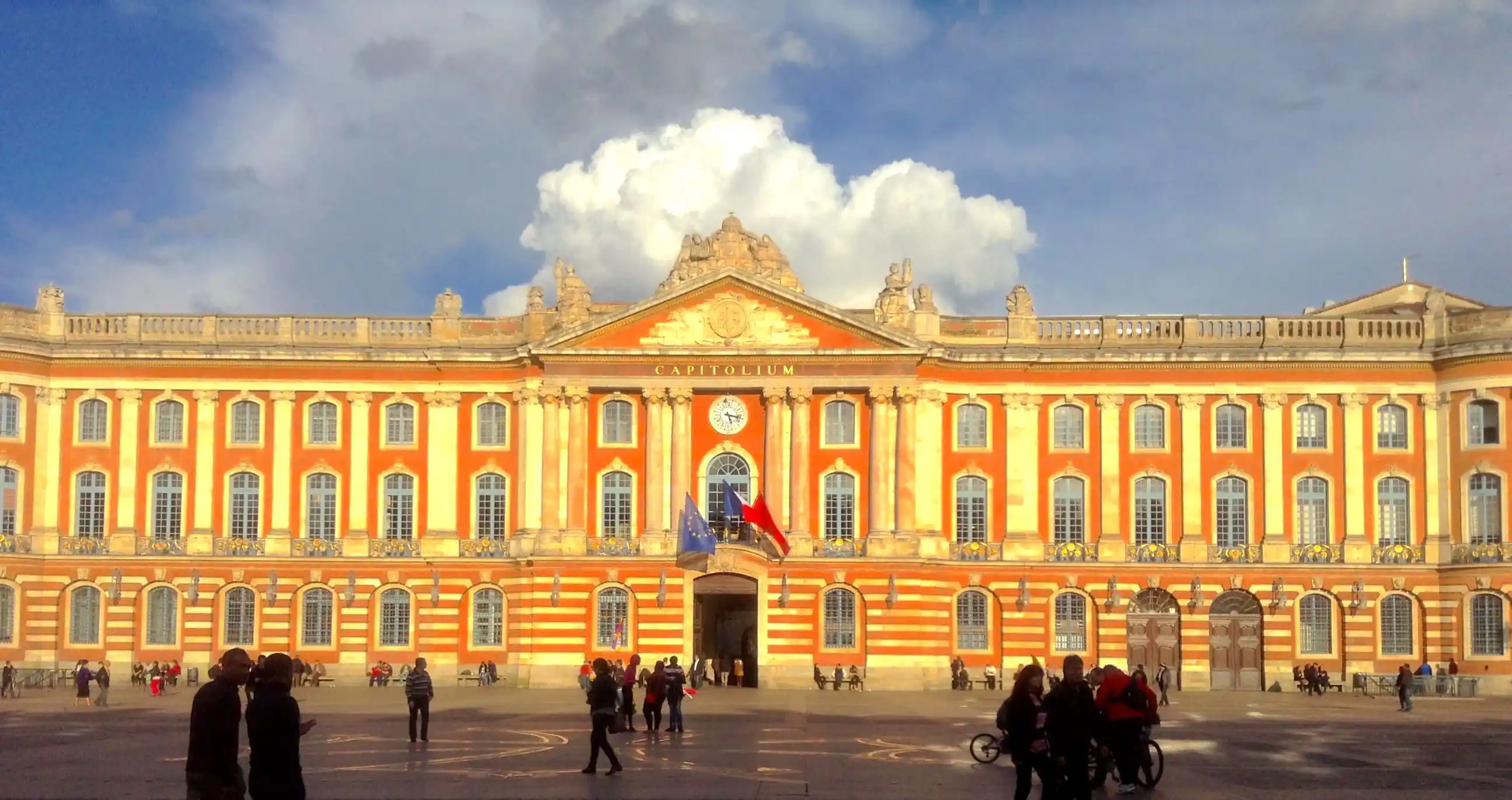
A 20-minute walk from the monastery, you can discover the famous Place du Capitole where you'll find the emblematic Occitan cross as well as the Arcades gallery which recounts the city's history in 29 paintings. The Capitole, which dominates the square with its imposing neoclassical architecture all in pink brick, has been the seat of the city council since construction began in 1190. Additionally, a daily market takes place in this square.
The Cathedral of Saint-Étienne in Toulouse, located halfway between the monastery and Place du Capitole, is a mosaic built over the centuries since the 5th century. As such, it is partly Romanesque style and partly Gothic style.
Another religious heritage site 30 minutes from the monastery, and just steps from Place du Capitole, the Basilica of Saint-Sernin, listed as a UNESCO World Heritage site, is the largest Romanesque monument in Europe ! It was built between the 11th and 13th centuries in honor of Saint Sernin, the first bishop of Toulouse and martyr.
A few steps from the cathedral is the Augustins Museum, one of the oldest museums in France and the city's fine arts museum. It houses a superb collection of paintings from the 14th to 19th centuries as well as sculptures. In total, you can see more than 4,000 works there.
Beyond these initial suggestions, the Pink City is brimming with treasures for you to discover!