Chevetogne Monastery
.webp)
Chevetogne Monastery is an abbey located in a peaceful setting in Belgium, known for its ecumenical mission and spiritual atmosphere. Rooted in prayer and dialogue between Eastern and Western Christian traditions, this abbey is a place of silence and contemplation.
Located in unspoiled nature, it offers an ideal setting for meditation and spiritual reflection.
Retreats organized by the community
Chevetogne Monastery in Belgium, bridging Eastern and Western churches
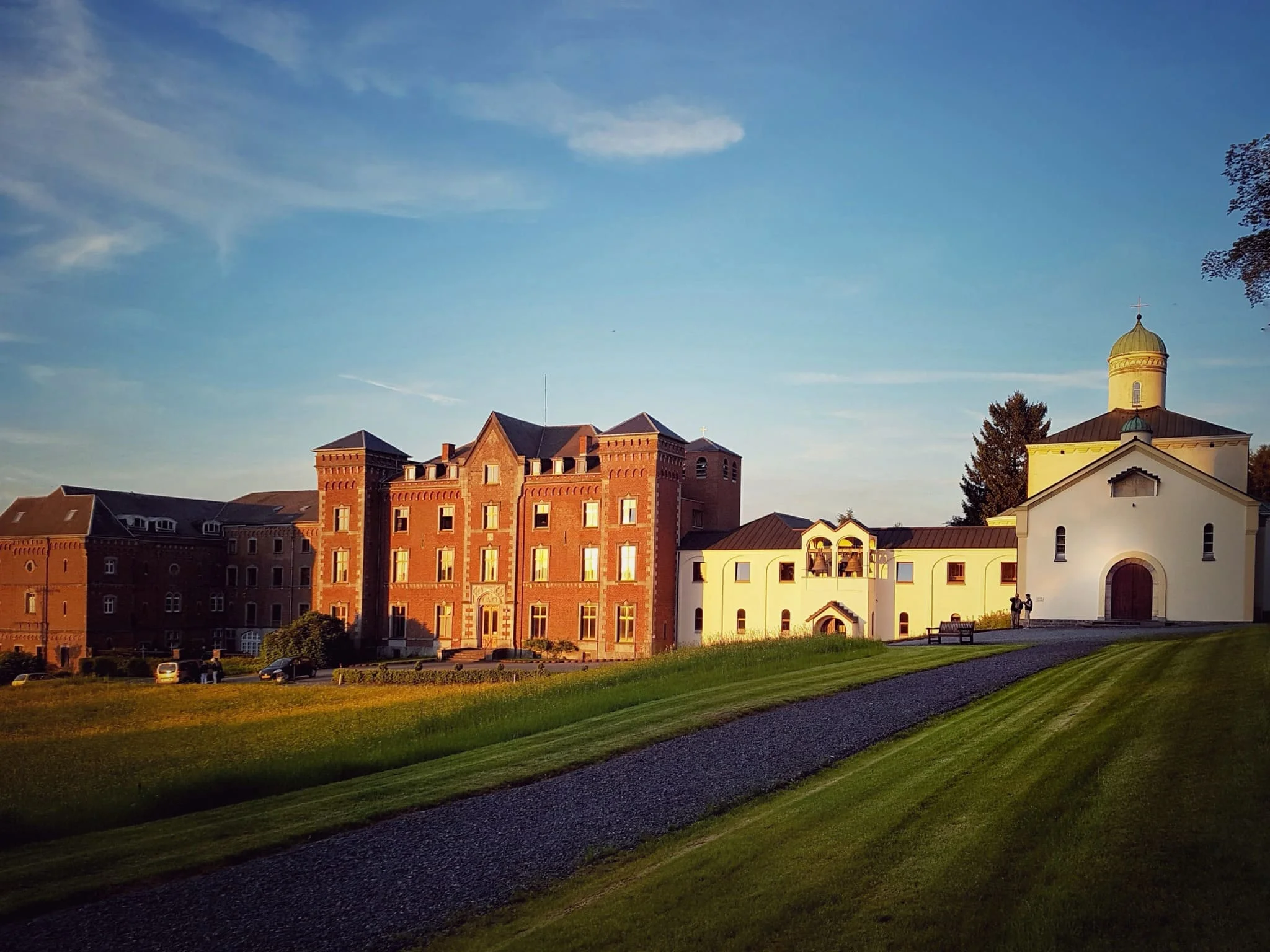
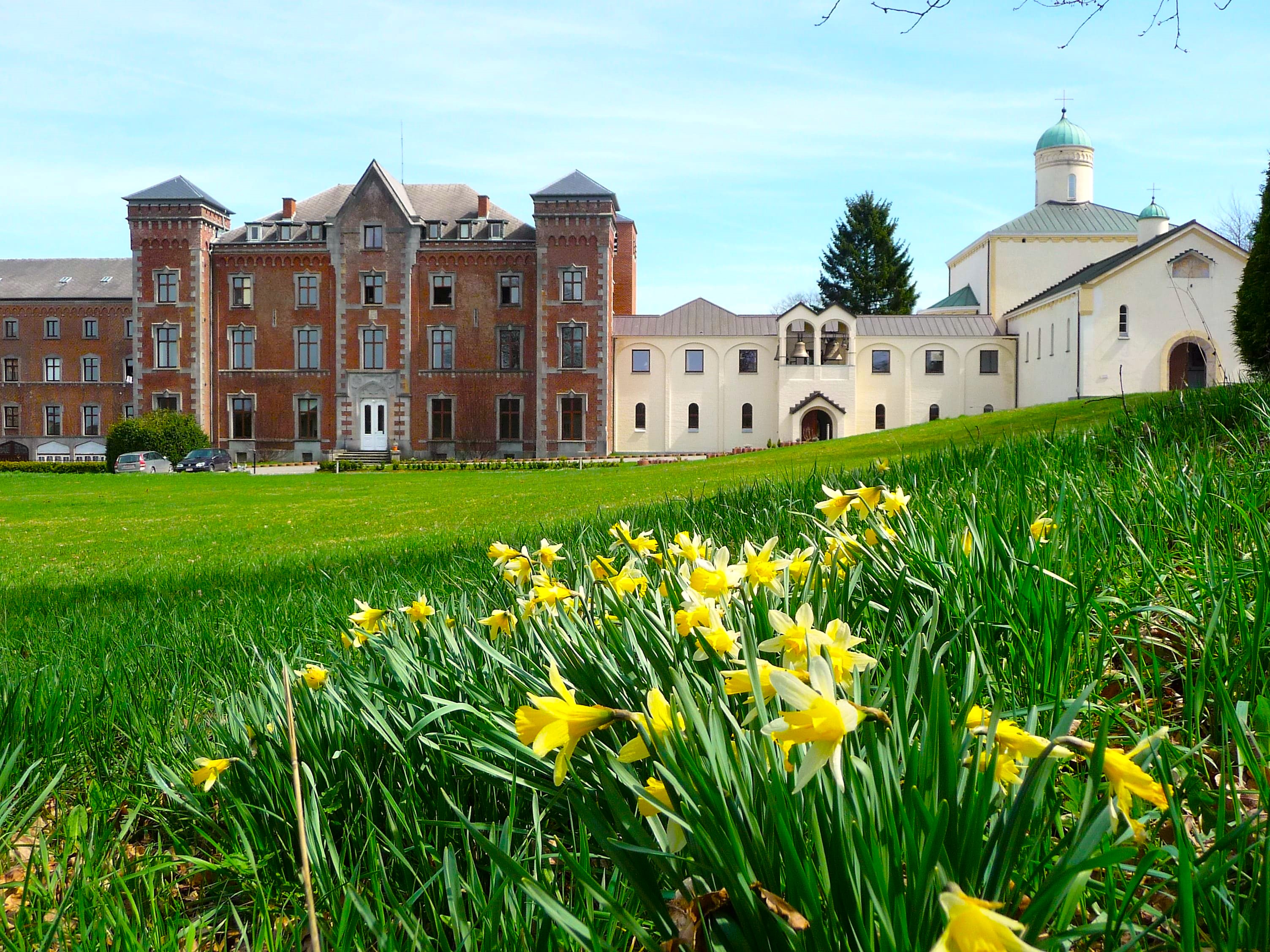
The Benedictine community of the Monks of Unity has been established at Chevetogne, at the edge of the Belgian Ardennes, since 1939. The grounds include a large park, part of which is reserved for the monks and another part open to the public.
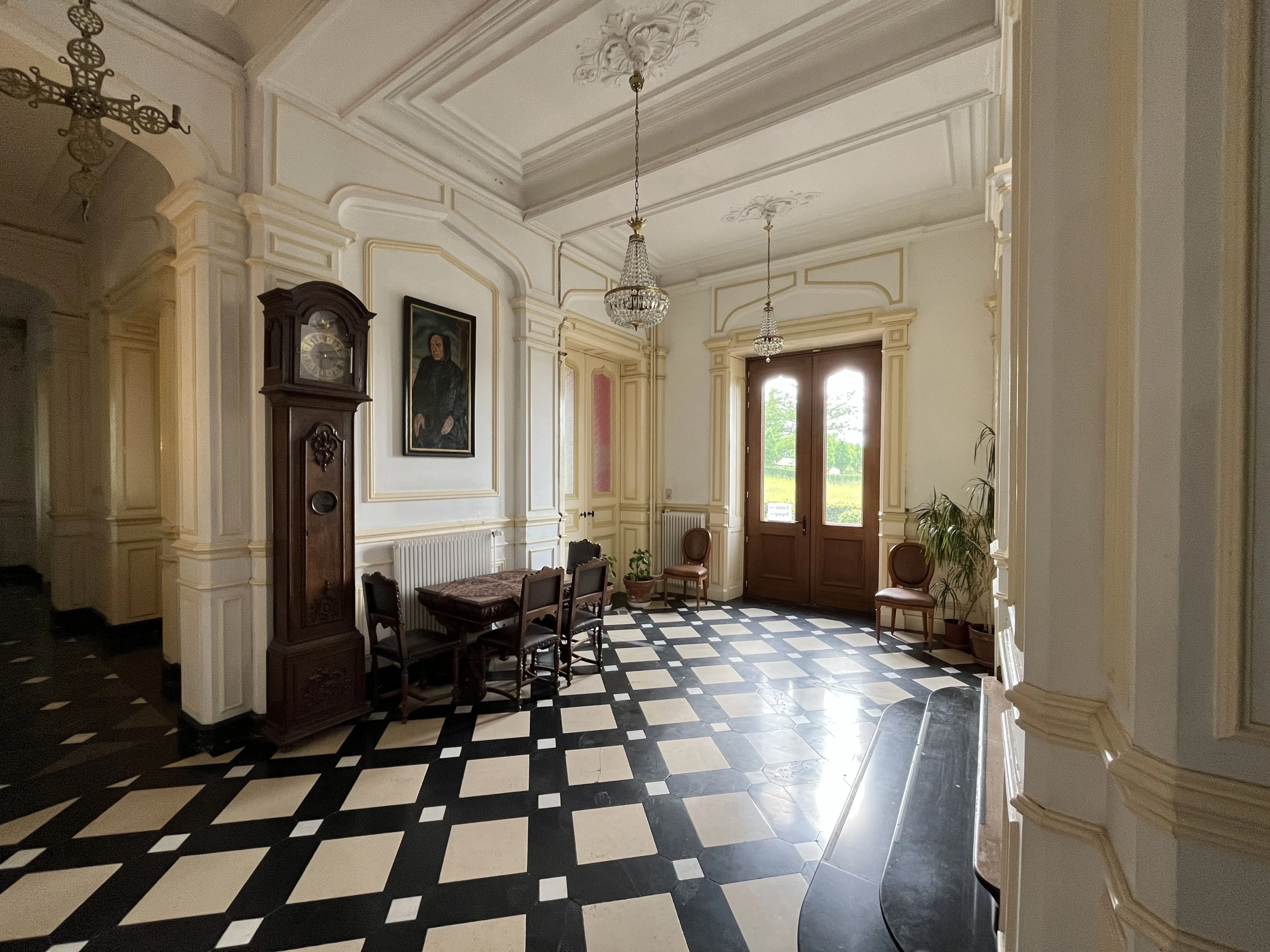
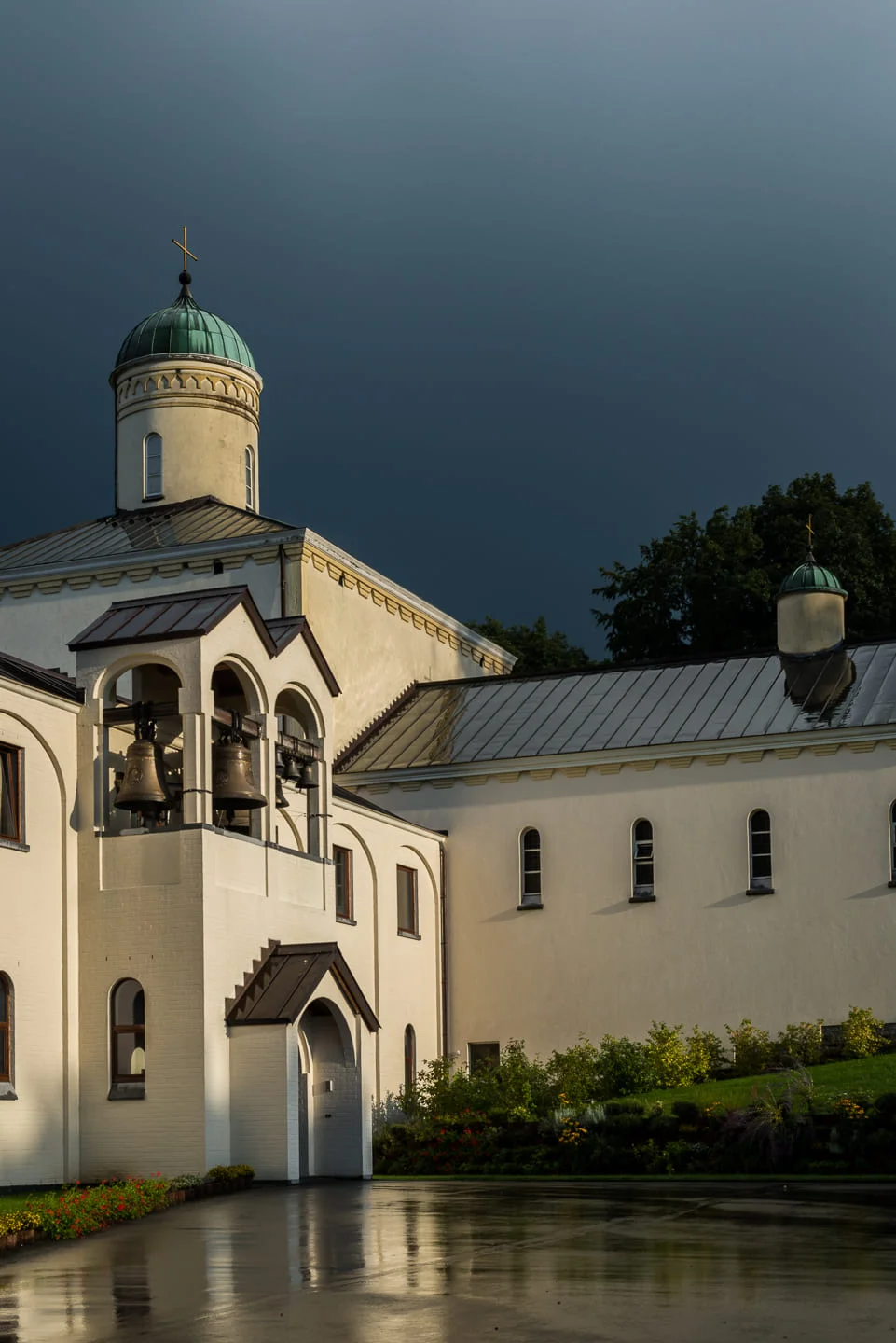
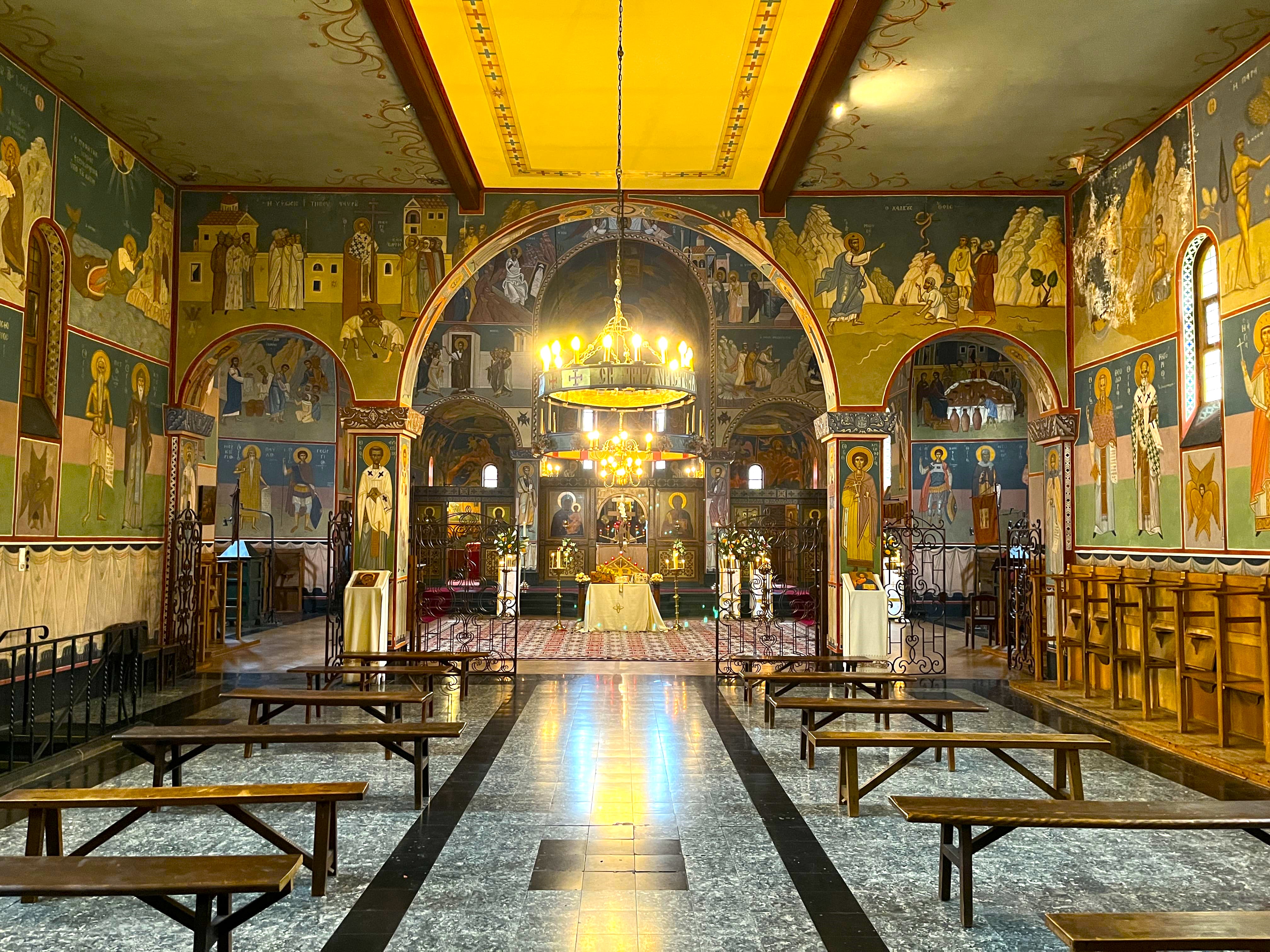
The monastery is located in the countryside and includes two churches, a crypt, an 1860 château, a large villa and other buildings, allowing for broad and flexible hospitality for retreatants. Since its origins in 1925 in Amay-sur-Meuse, the community's specific vocation has been to pray and work for Christian unity, particularly by sharing through its liturgy the spiritual riches of Eastern Christianity.
It welcomes anyone wishing to discover Eastern Christianity, or wishing to experience a Benedictine monastic setting, since the monks chant the offices according to both Byzantine and Roman/Western traditions.
The Monks of Unity welcome you for a spiritual retreat
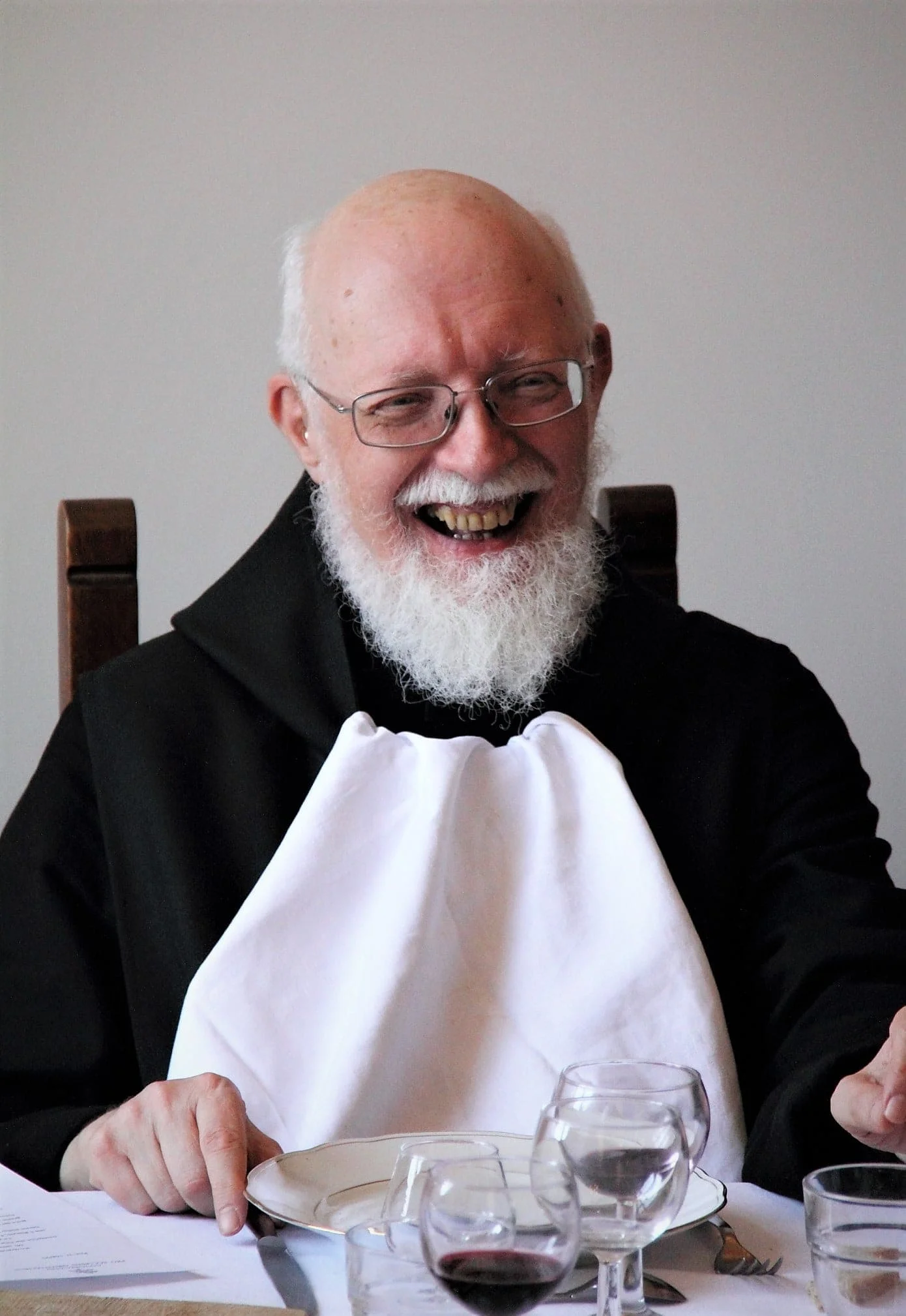
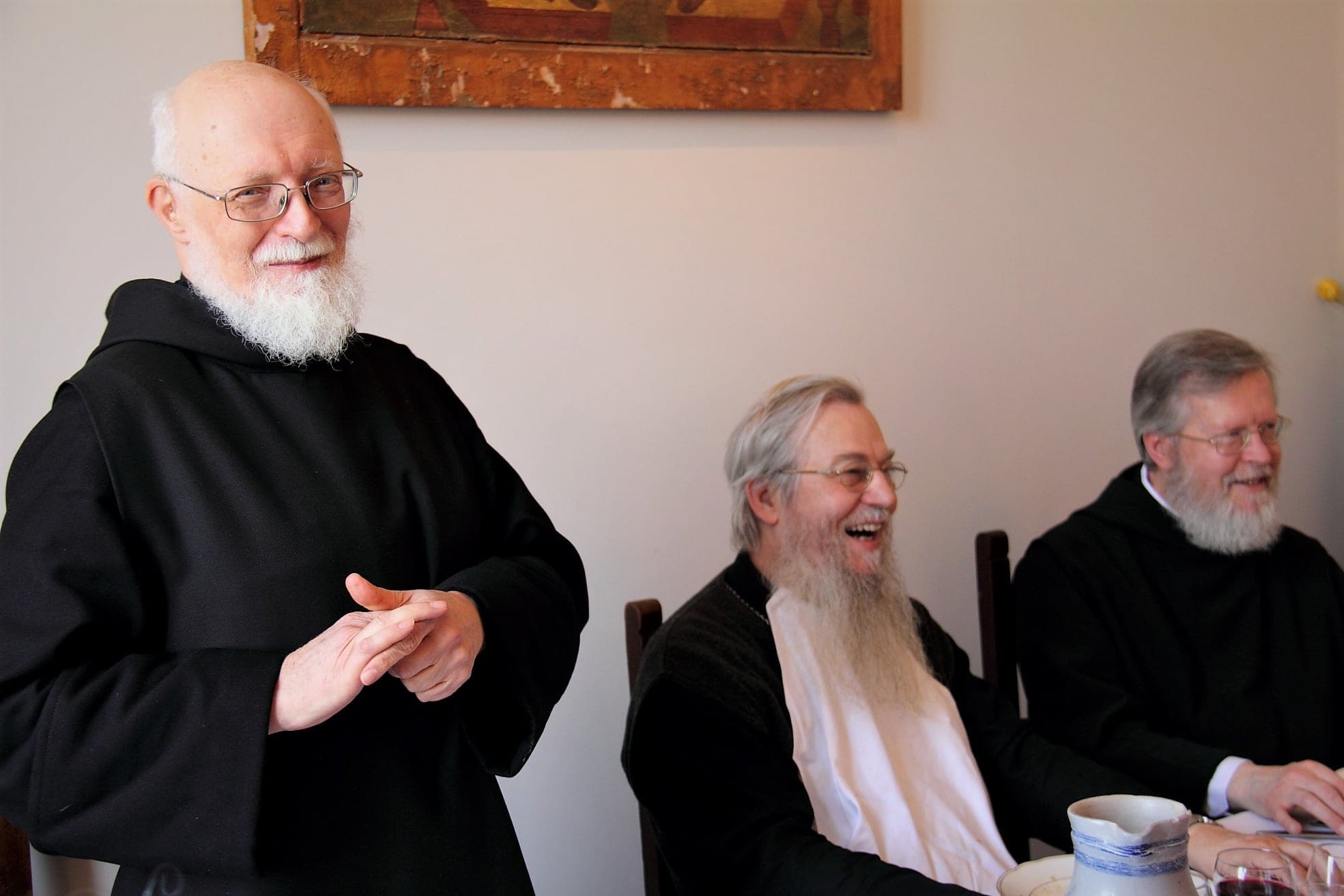
The community comprises 18 monks of several nationalities. On ordinary days, the Latin and Byzantine offices are celebrated simultaneously in the two churches (Matins, Sext, Vespers and Compline). Mass is celebrated daily, either in the Latin rite or in the Byzantine rite.
The community also devotes time to reading and personal prayer. Each monk has a work assignment or responsibility to fulfill for the community. They live primarily from hospitality and the monastery shop, which offers among other things many books. The religious do all the work necessary for the monastery's life themselves, with as much autonomy as possible. They also give Sunday teachings in the surrounding villages.
What to expect during your stay
Welcome to Chevetogne Monastery
Everyone, believer or not, is welcome to experience a time of spiritual retreat with the community of Chevetogne Monastery.
The monks can offer individual spiritual guidance or simply answer questions for those who desire it. They are also available to give groups explanations about the monastery's distinctive features (Byzantine liturgy, guided tour of the Eastern church..). Groups can also come for a preached retreat with their own spiritual director.
Guests are asked to respect the silence of the place, the monks and other retreatants. They are also invited to freely participate in communal prayer times, at least one office per day.
On Saturday evening, the community gathers for a vigil together, usually at the Eastern church. On Sunday, the celebration is always in the Byzantine rite.
A guest house ideal for peace of mind
There are two guest house areas:
- the internal guest house for men (about 15 places),
- Bethany House for women, couples and groups (12 double rooms, 6 single rooms).
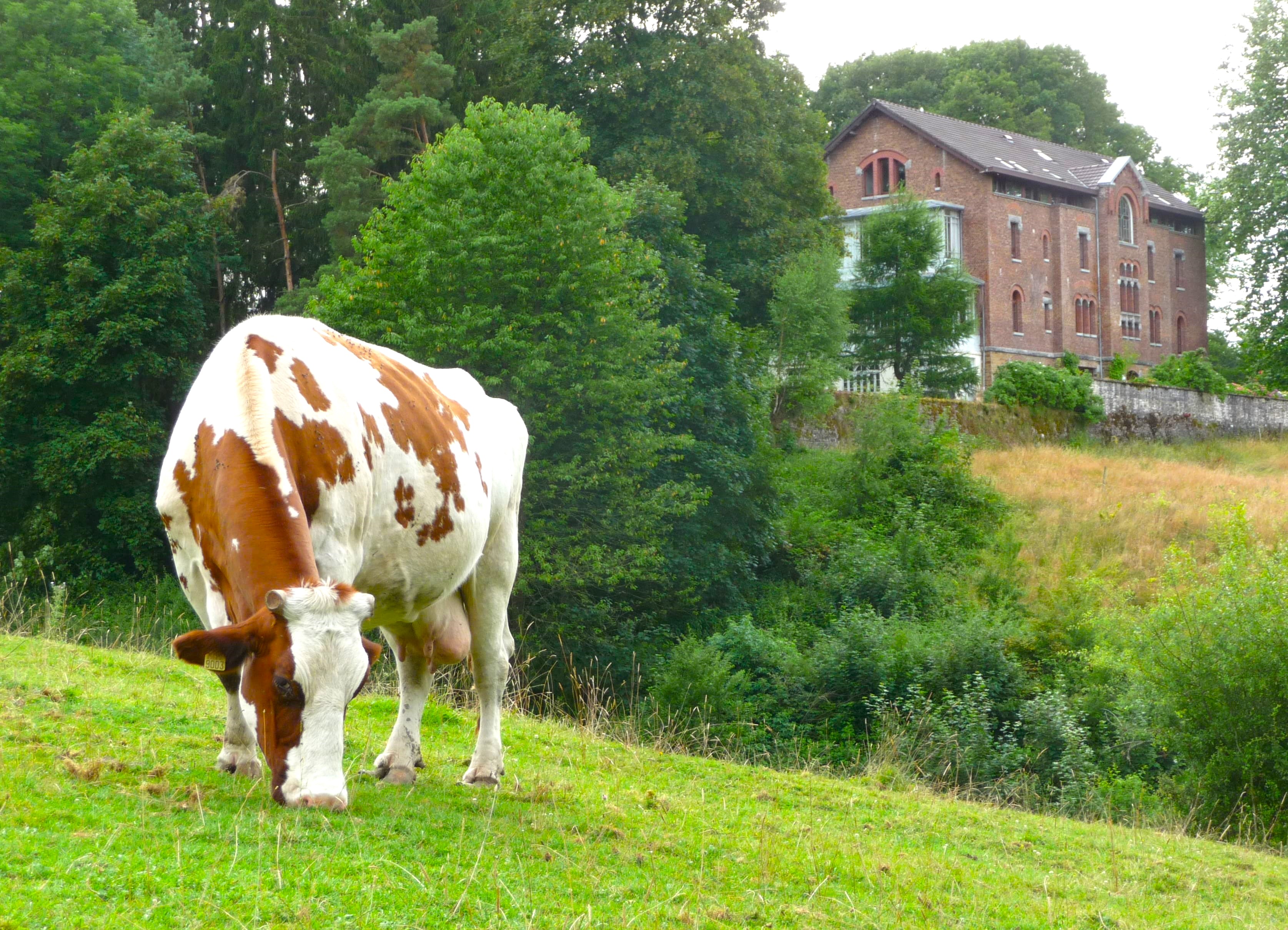
A park and woods around the monastery allow for beautiful walks. Meals are taken in silence, except breakfast. Lunch and dinner are taken by everyone at the monastery, accompanied by reading. There are two churches, as well as a chapel, open from 6 a.m. to 9 p.m., accessible to all for personal prayer times.
Geography and activities
Chevetogne: a monastery in the Walloon Region in the province of Namur
In Belgium, Chevetogne Monastery is located in a rural area, in the Belgian Condroz region. The nearest towns are Ciney, Rochefort and Dinant. Points of interest to see in the vicinity include:
- the Trappist church of Rochefort
- the baroque church of Foi-Notre-Dame
- the Carolingian church of Celles
- the caves of Han
The sanctuary of Our Lady of Beauraing is also not far away, as well as the young community of Tiberiade.
There is a recreational area in Chevetogne (swimming pool in summer, playgrounds, ponds and woods) accessible on foot with paid admission. There are forests suitable for longer walks all around the village. By car, you can visit the Upper Meuse valley, or go to Namur, the provincial capital.