Lourdes Sanctuary
.jpeg)
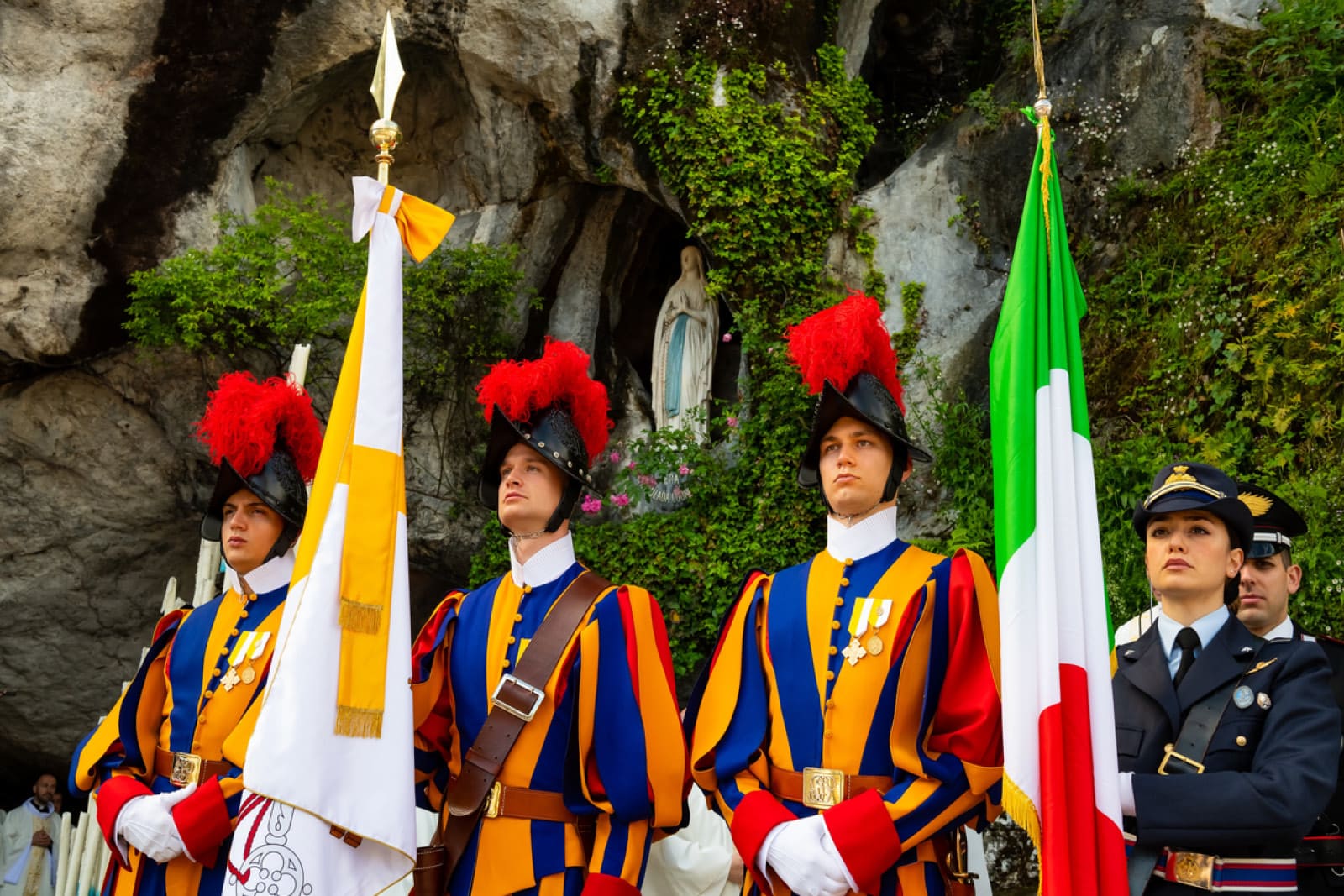
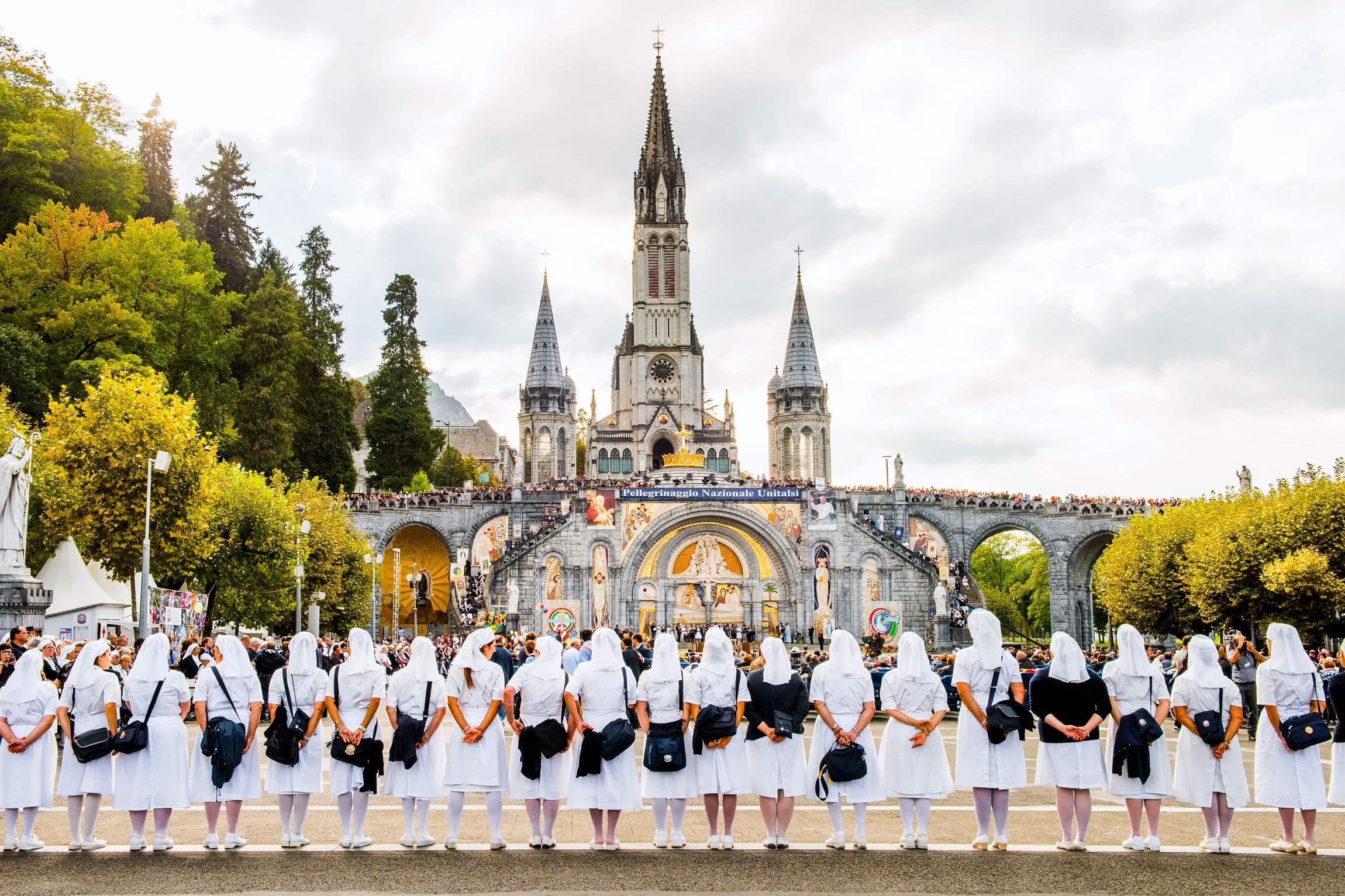
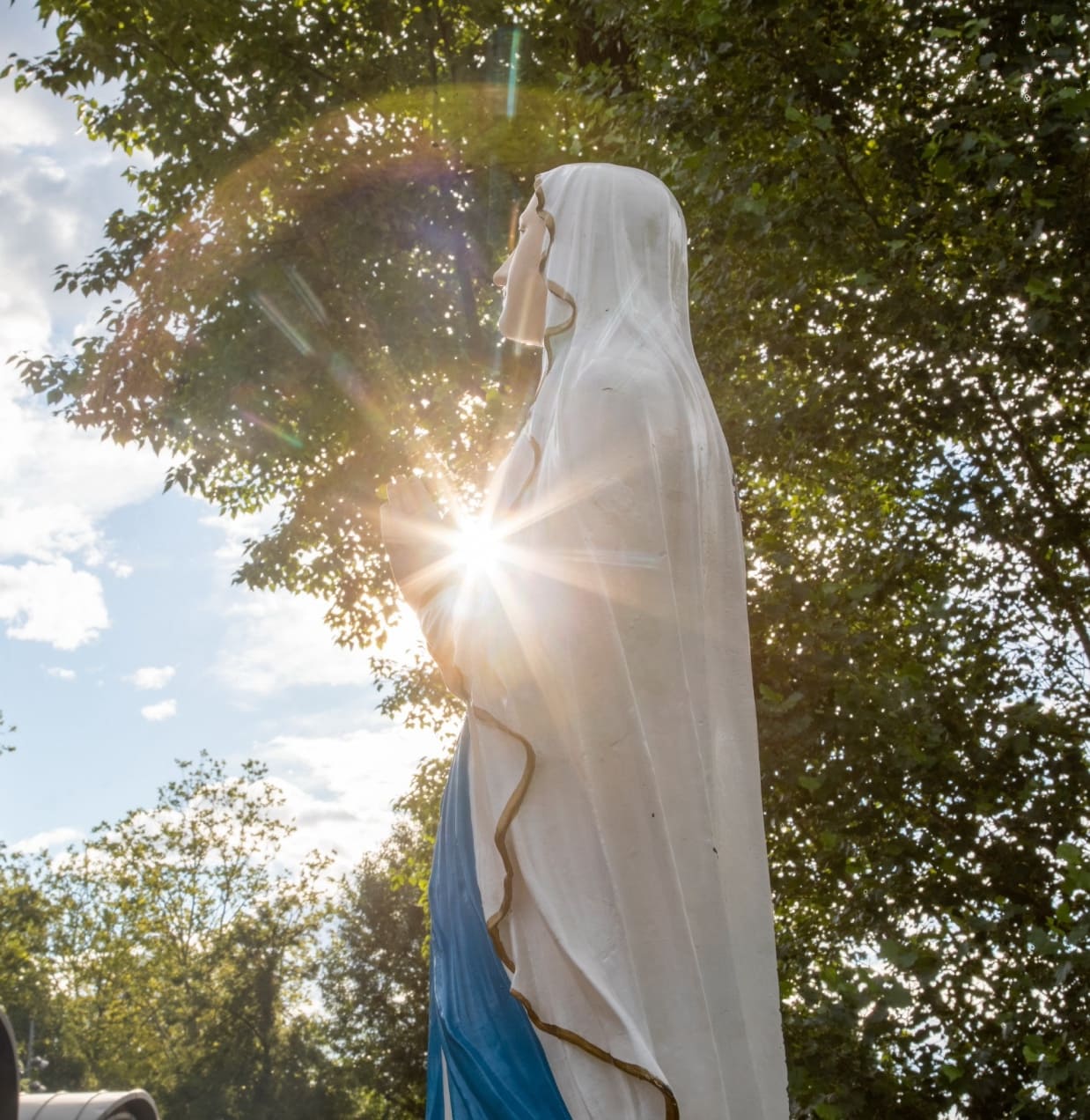
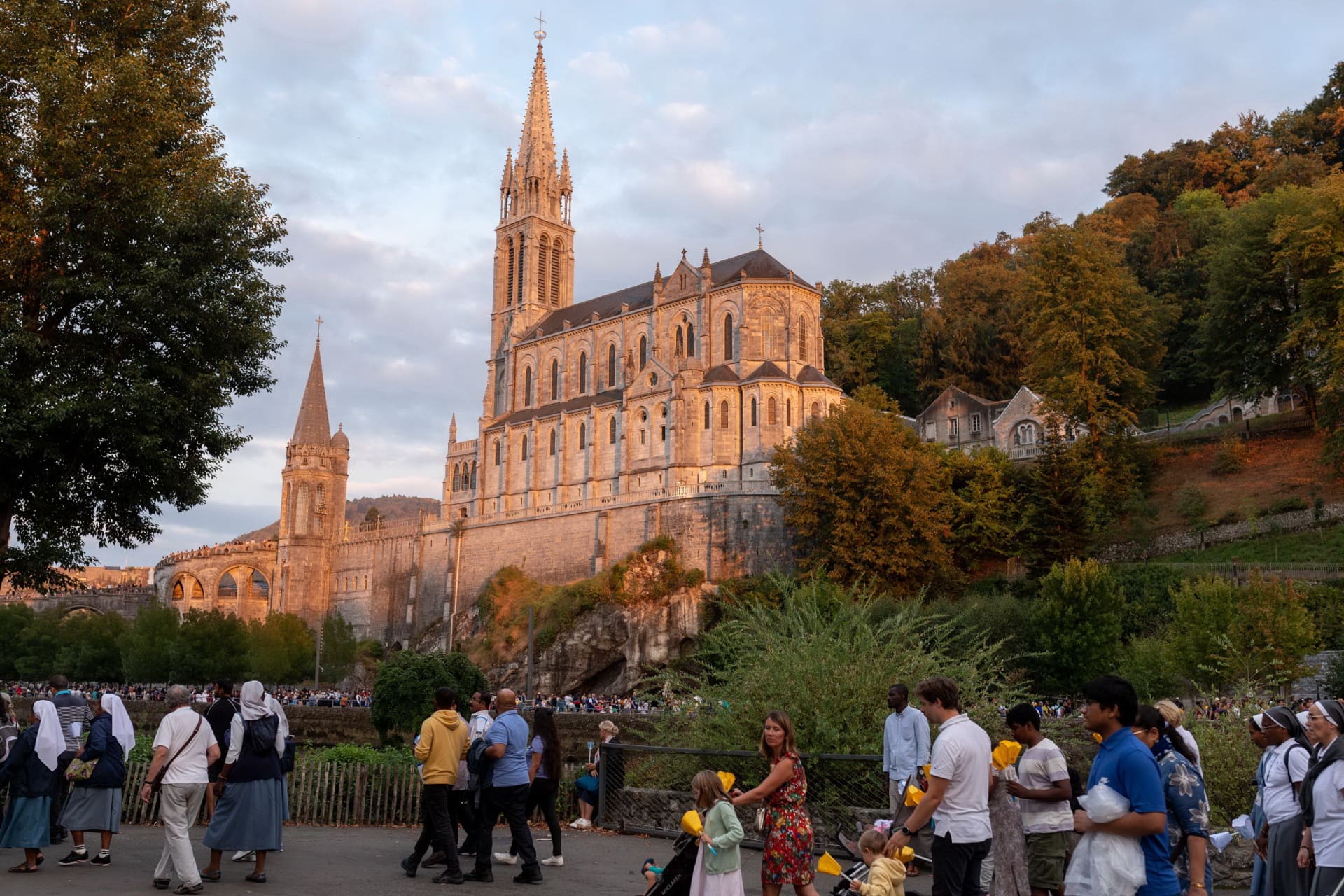
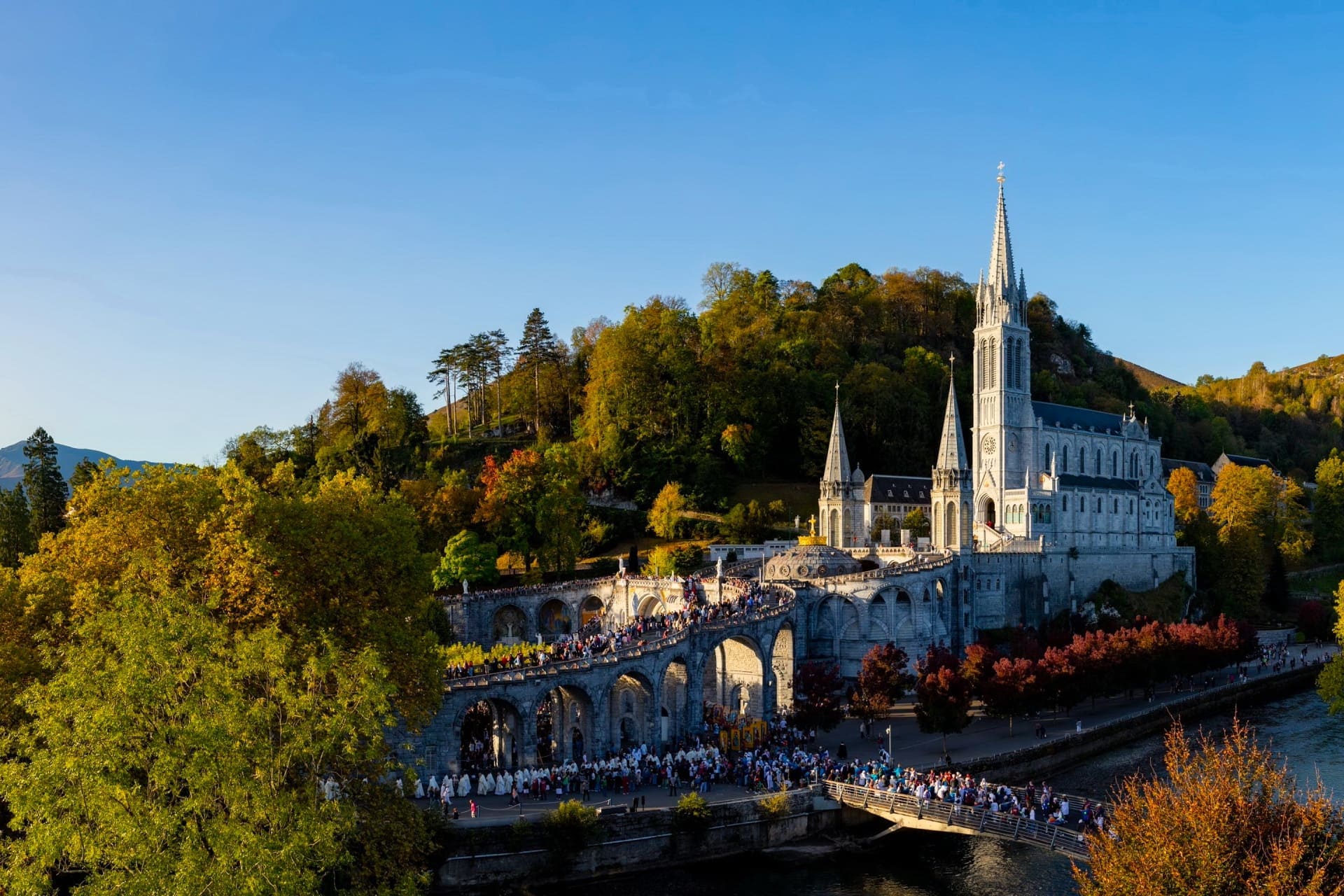
The Lourdes Sanctuary is one of the most iconic places in France for Catholics (and not only!). Located at the bottom of a valley, in a mountain setting, the annual number of visitors is equally staggering, with several million people visiting each year.
Whether to walk in the footsteps of Saint Bernadette, to take a real break, enjoy the landscapes and the mountains, or hope to be the 71st miracle of Lourdes, the sanctuary has been attracting pilgrims and tourists from around the world since 1858.
Come experience an "active" retreat by joining an organized pilgrimage to Lourdes!
Retreats organized by the community
A look back at the history of the Lourdes Sanctuary
The history of the Lourdes Sanctuary dates back to the Second Empire. On February 11, 1858, young Bernadette Soubirous, just 14 years old, went to the Grotto of Massabielle, not far from her hometown of Lourdes. While searching for dead branches in that freezing winter, she had a first apparition of a beautiful lady. Of course, upon returning to town, no one believed her, and the parish priest asked her to question this person if she were to reappear. Young Bernadette did so and asked the lady to reveal her identity to the one she would see no less than eighteen times over the course of a few months. The Madonna answered her question with "Que soy era Immaculada Councepciou" (meaning "I am the Immaculate Conception" in Gascon).
At first, the reception was mixed or even skeptical, but the insistence, fervor, and regularity of the apparitions, along with the discovery of a spring at the location indicated by the Virgin, convinced even the most reluctant. In 1862, the first chapel was built at the site of the Grotto. Two basilicas were built in 1871 and 1901, both located in close proximity.
Little Bernadette, meanwhile, would become a nun within the congregation of the Sisters of Charity of Nevers in 1866. Suffering from tuberculosis, she passed away at 35 in 1879. Canonized in 1933 by Pope Pius XI, she became known as Saint Bernadette of Lourdes.
The sanctuary was marked by two visits from Pope Saint John Paul II, the first at the beginning of his pontificate in 1983, and the second shortly before his death in 2005.
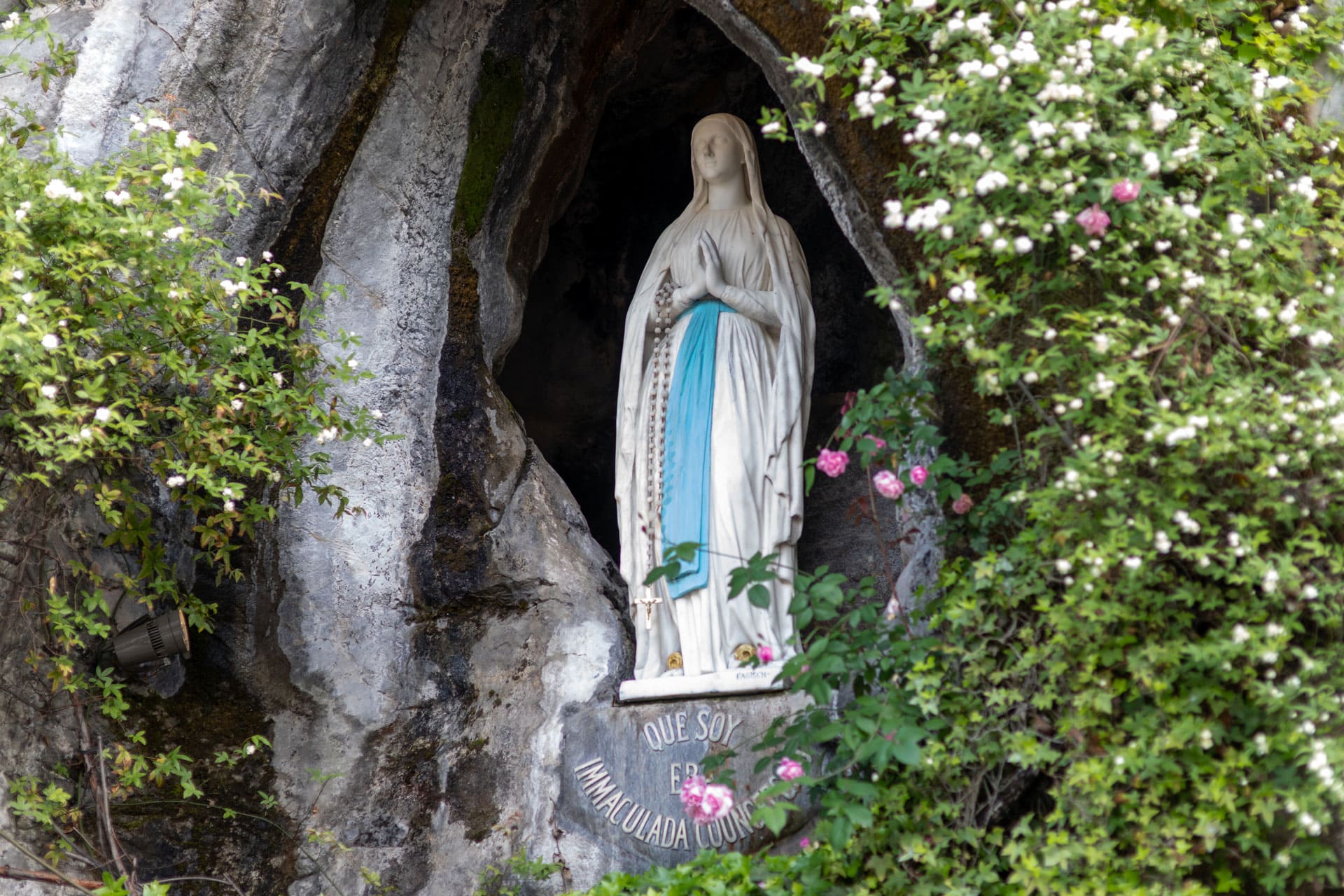
The organization of an XXL-sized sanctuary
The Lourdes Sanctuary is a structure designed to welcome a diverse range of people: pilgrims, the sick, and visitors. An entire world is in motion to ensure hospitality for these many visitors. The rector of the Sanctuary oversees and manages the sanctuary. He is accompanied by several chaplains (priests and religious) who ensure a spiritual presence for visitors seeking spiritual guidance, Mass, or to receive sacraments.
Volunteers, essential to the life of the sanctuary, come from all backgrounds and assist the sick and people with disabilities. Of course, medical services are also present in large numbers to provide necessary care to pilgrims who come in hope of healing.
Pilgrims generally visit the sanctuary during pilgrimages and retreats organized by their dioceses and parishes or by certain charitable and hospitality organizations.
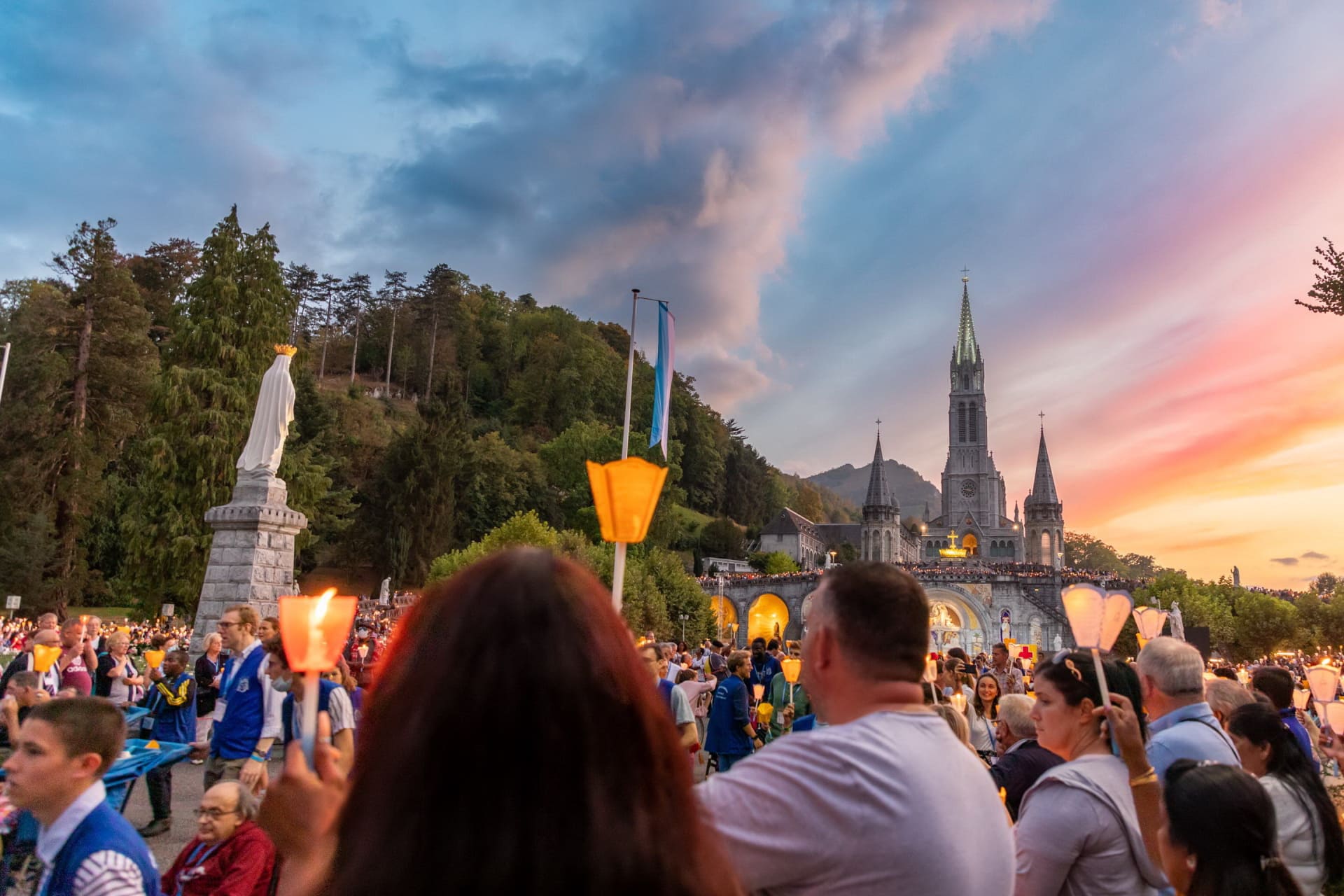
What to expect during your stay
Experience an "active" retreat in service at Lourdes!
A diocesan pilgrimage to Lourdes is an extraordinary experience of fraternity and service, where people, often dealing with illness or disability, travel to Lourdes to find spiritual comfort.
These people are generally accompanied by hospitaliers, dedicated volunteers who help them live this pilgrimage journey by assisting them daily.
The Lourdes Sanctuary welcomes you (as individuals, families, or small groups) for a spiritual stay, as part of a pilgrimage organized by a hospitality organization. As a hospitalier, you are invited to serve fragile people, the sick, or people with disabilities who wish to visit Lourdes.
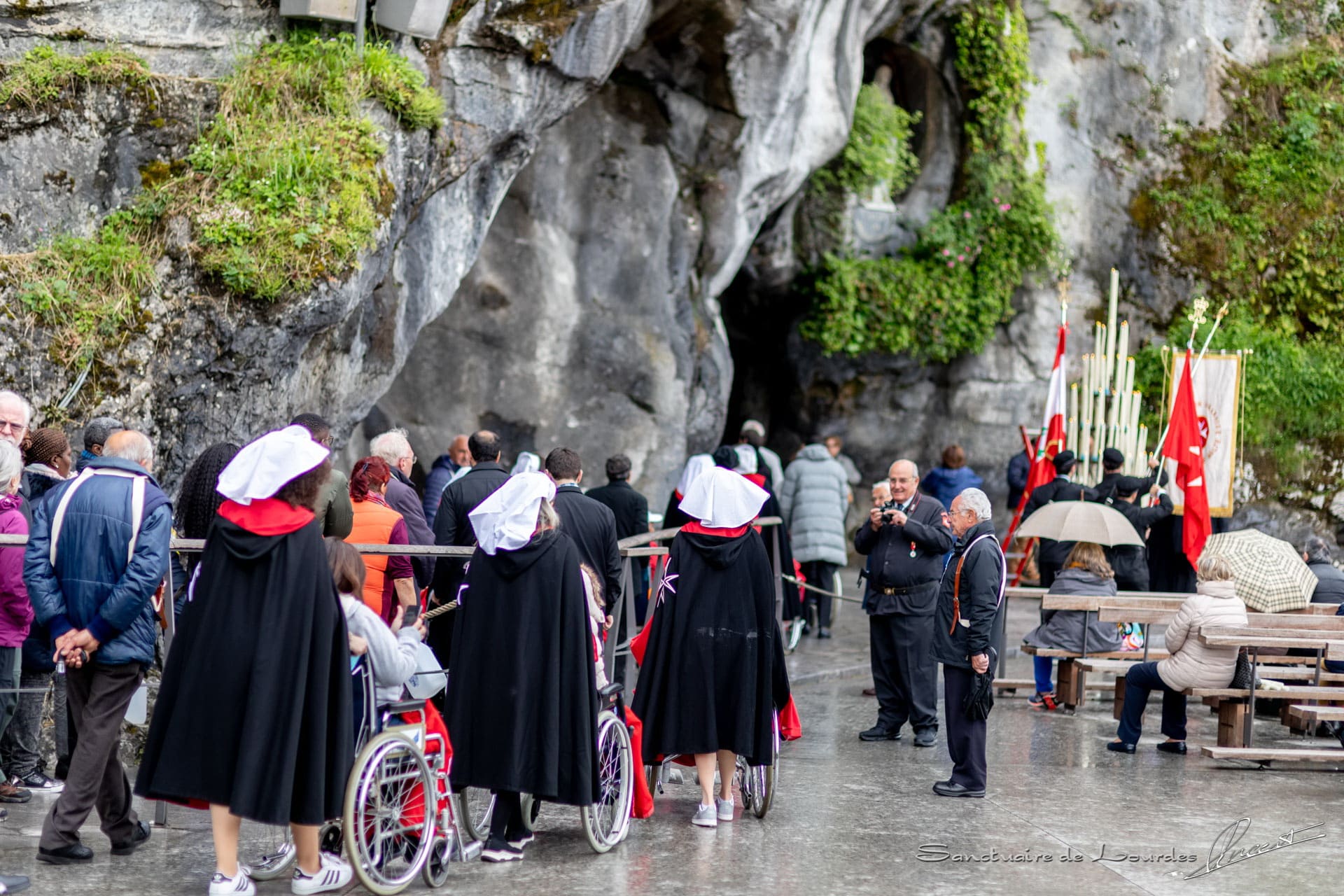
Come join a diocesan pilgrimage to Lourdes!
Days during a diocesan pilgrimage to Lourdes may vary depending on the specific organization of the group, but pilgrims are generally invited each day to:
- powerful spiritual moments: vigils, candlelight processions, Masses, rosaries, spiritual guidance, sacraments…
- times of service: hospitaliers are responsible for caring for fragile people throughout the day.
- times of visits, teachings, and discovery: pilgrims have the opportunity to visit the different sites of the sanctuary, including the Grotto of Massabielle where the Virgin Mary appeared, and to learn about the life of Saint Bernadette Soubirous.
- free time and relaxation: in addition to scheduled activities, pilgrims have free time to explore Lourdes on their own, shop for souvenirs, chat, or rest!
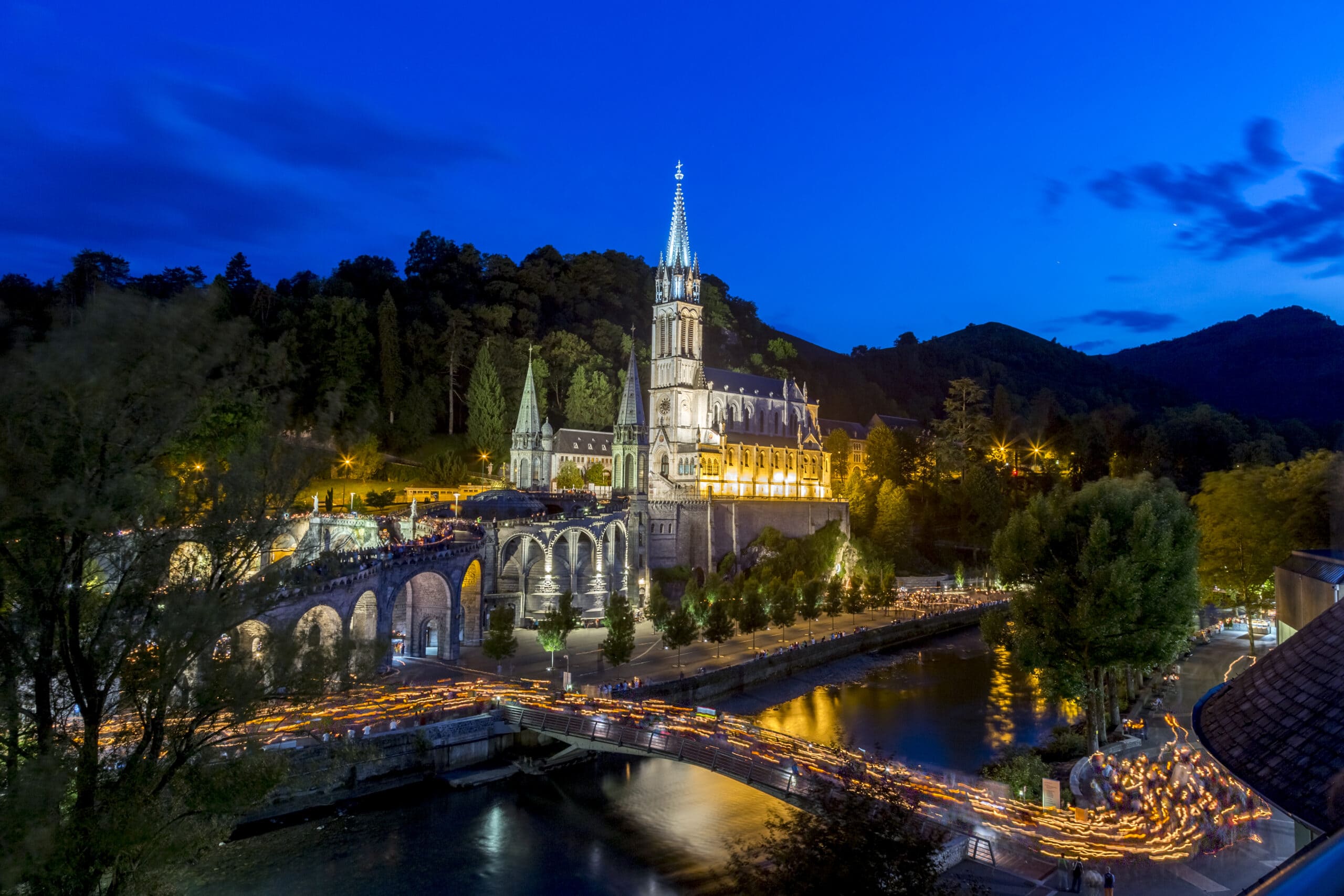
Geography and activities
The Lourdes Sanctuary, nestled in the heart of the Hautes-Pyrénées
Besides the many religious buildings located in the immediate vicinity of the sanctuary, the town of Lourdes is filled with architectural elements steeped in history.
- Old Lourdes, located on the right bank of the Gave de Pau, which flows through the town, offers a picturesque and medieval atmosphere with its narrow streets, stone houses, and squares. You can also discover historic monuments such as the Tour du Garnavie and the Porte Saint-Michel.
- The Château Fort de Lourdes, whose history dates back to the 11th century, dominates the town from its rocky promontory, offering a breathtaking panoramic view of the mountain skyline.
- The surroundings of Lourdes also offer a multitude of activities. You can explore hiking trails or enjoy winter sports during the winter season, or even thermal baths.
- The Caves of Bétharram, twenty minutes by car from Lourdes, were formed by the action of water, carving impressive cavities into the limestone cliffs of the Pyrenees. Over millennia, water sculpted galleries and fascinating rock formations, creating a complex underground network.