Maumont Abbey
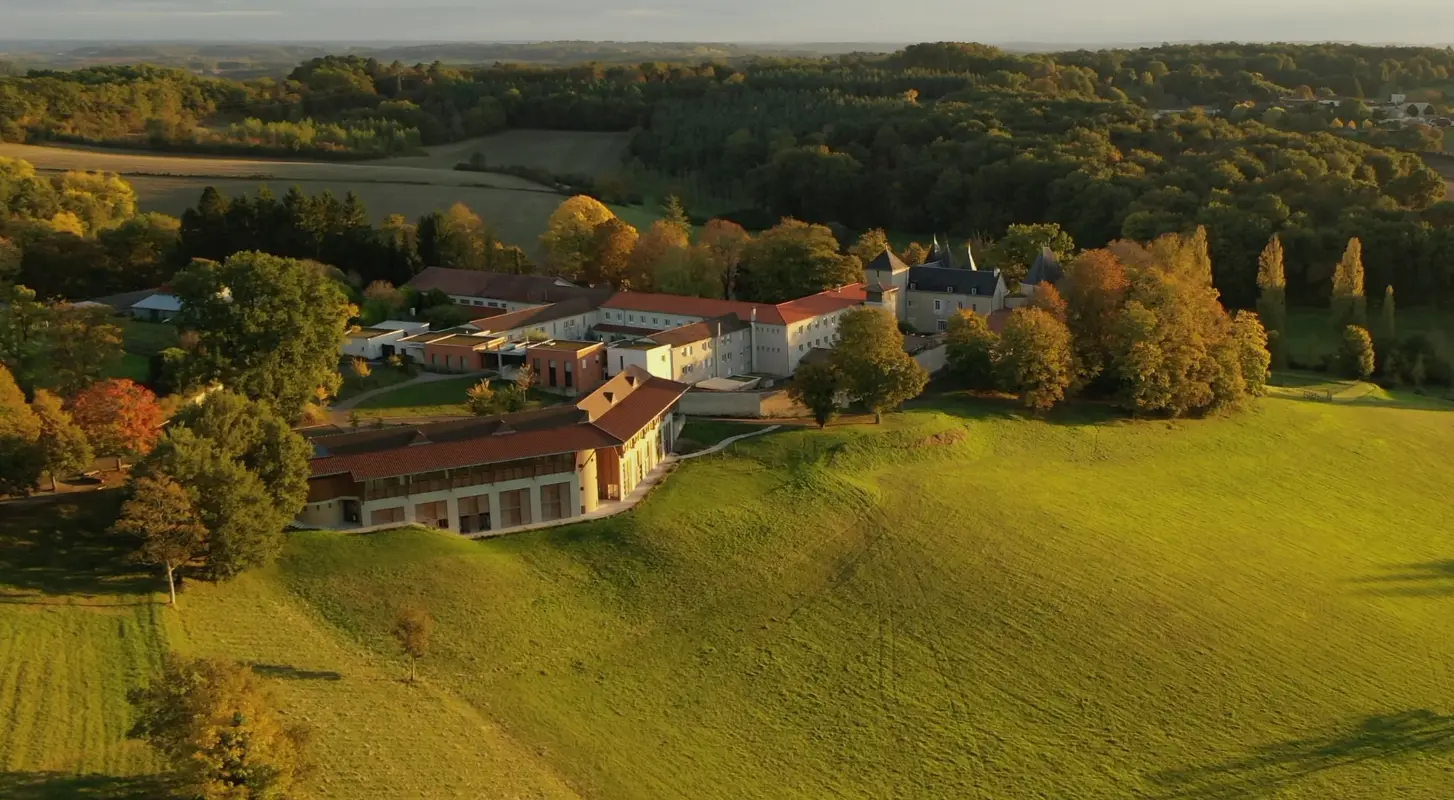
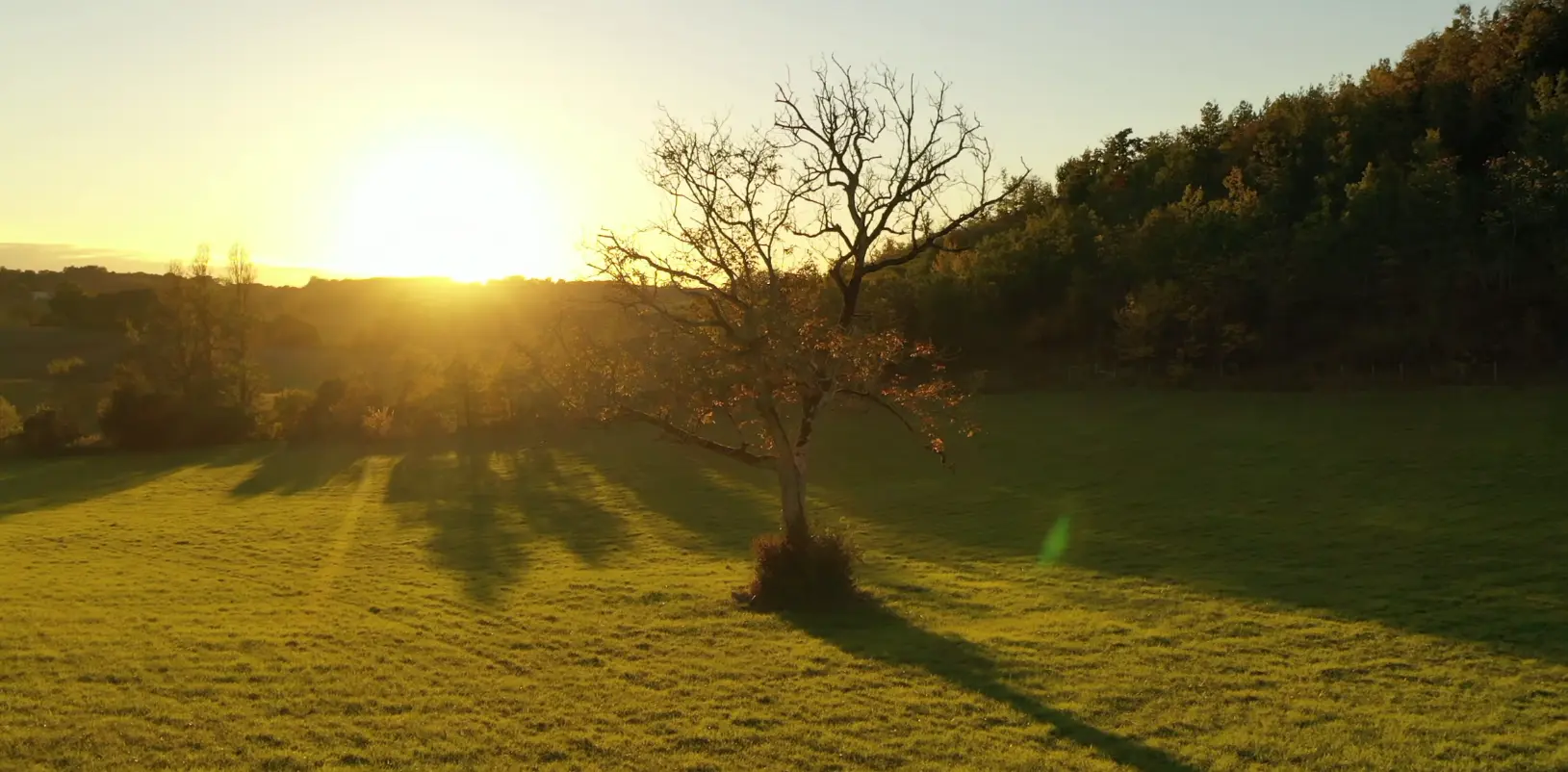
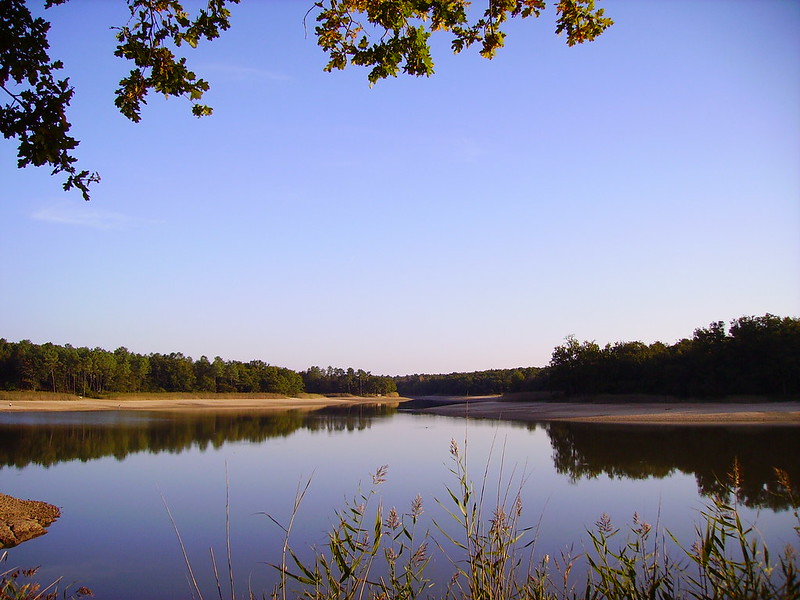
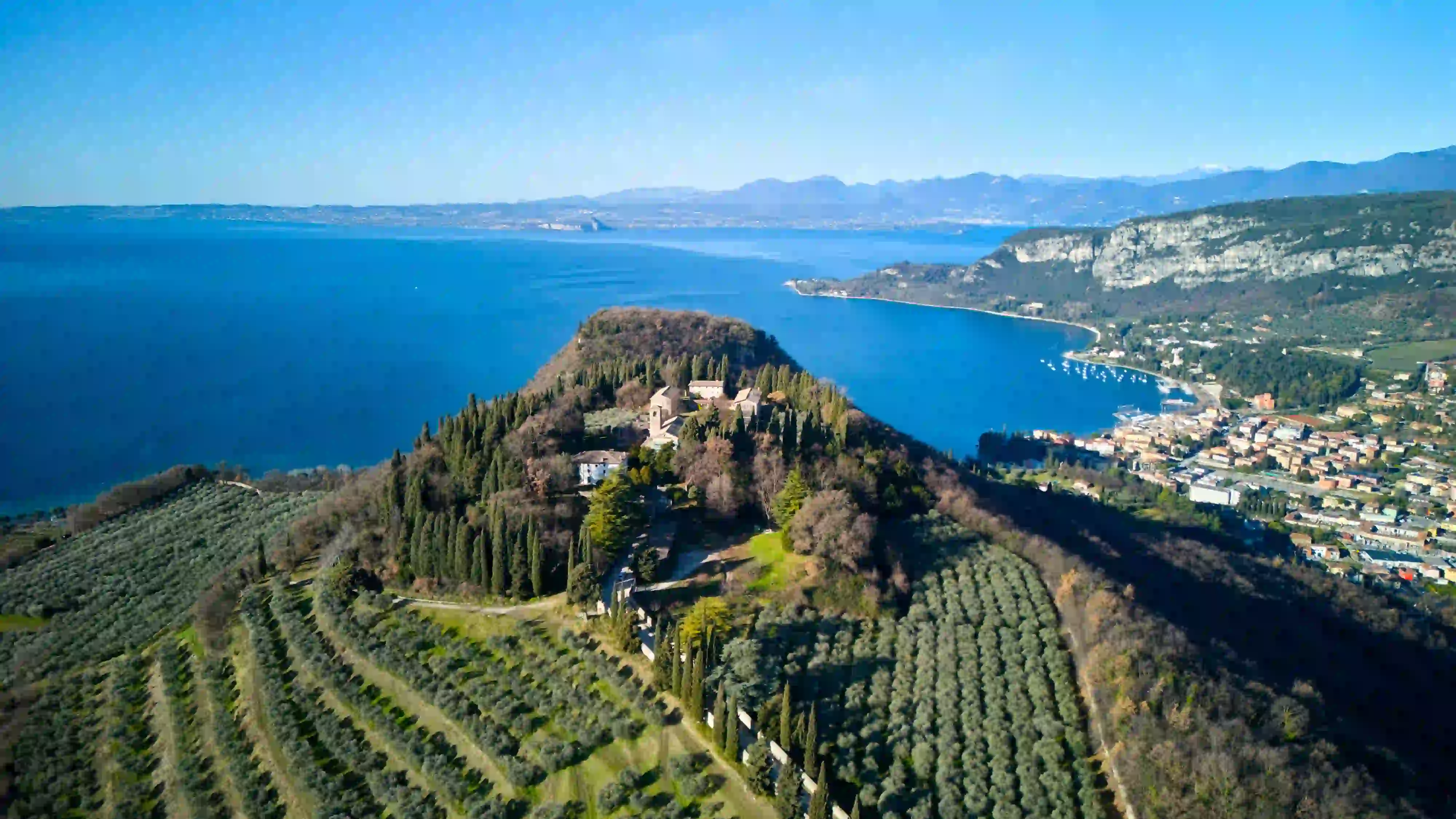
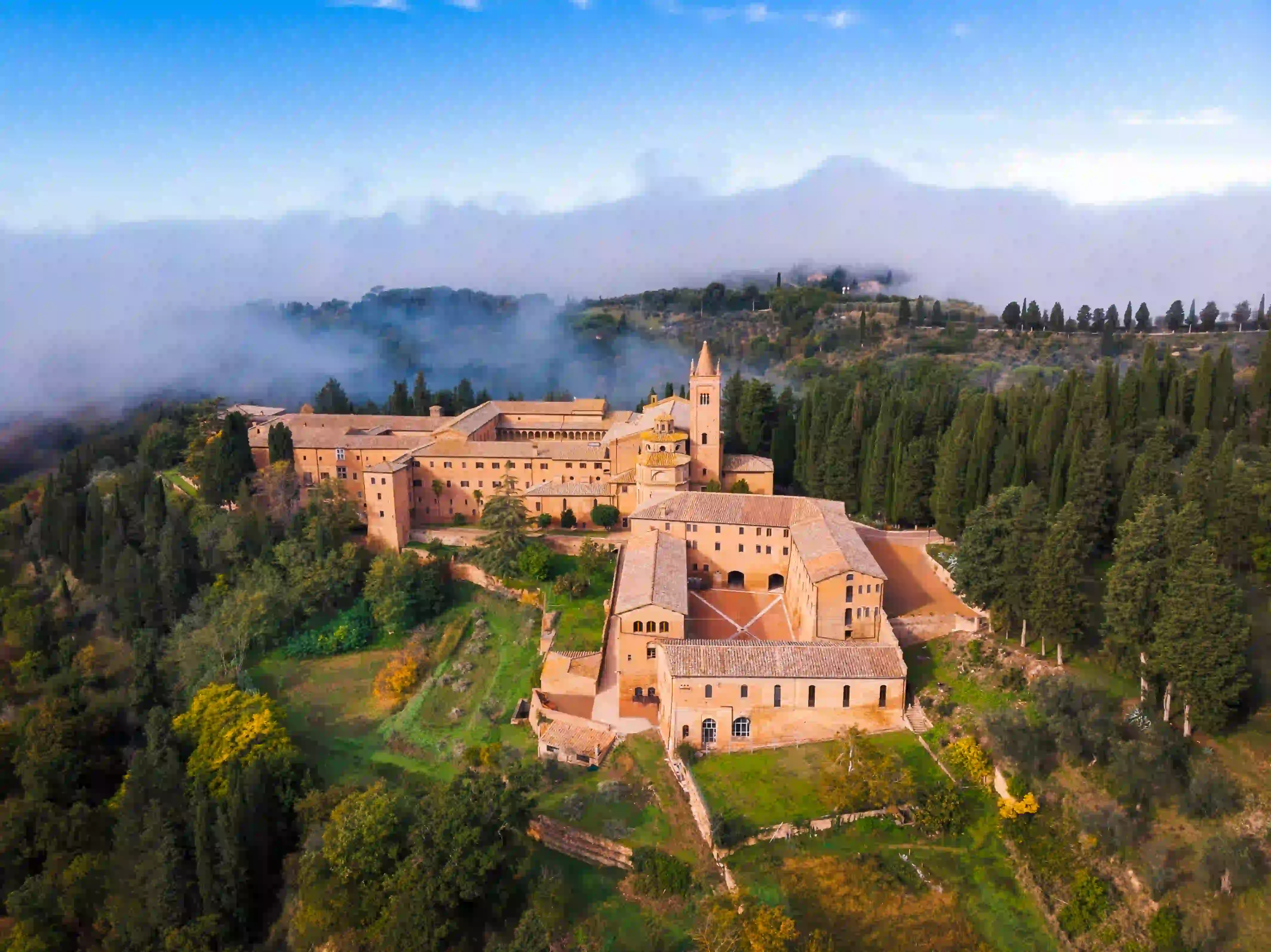
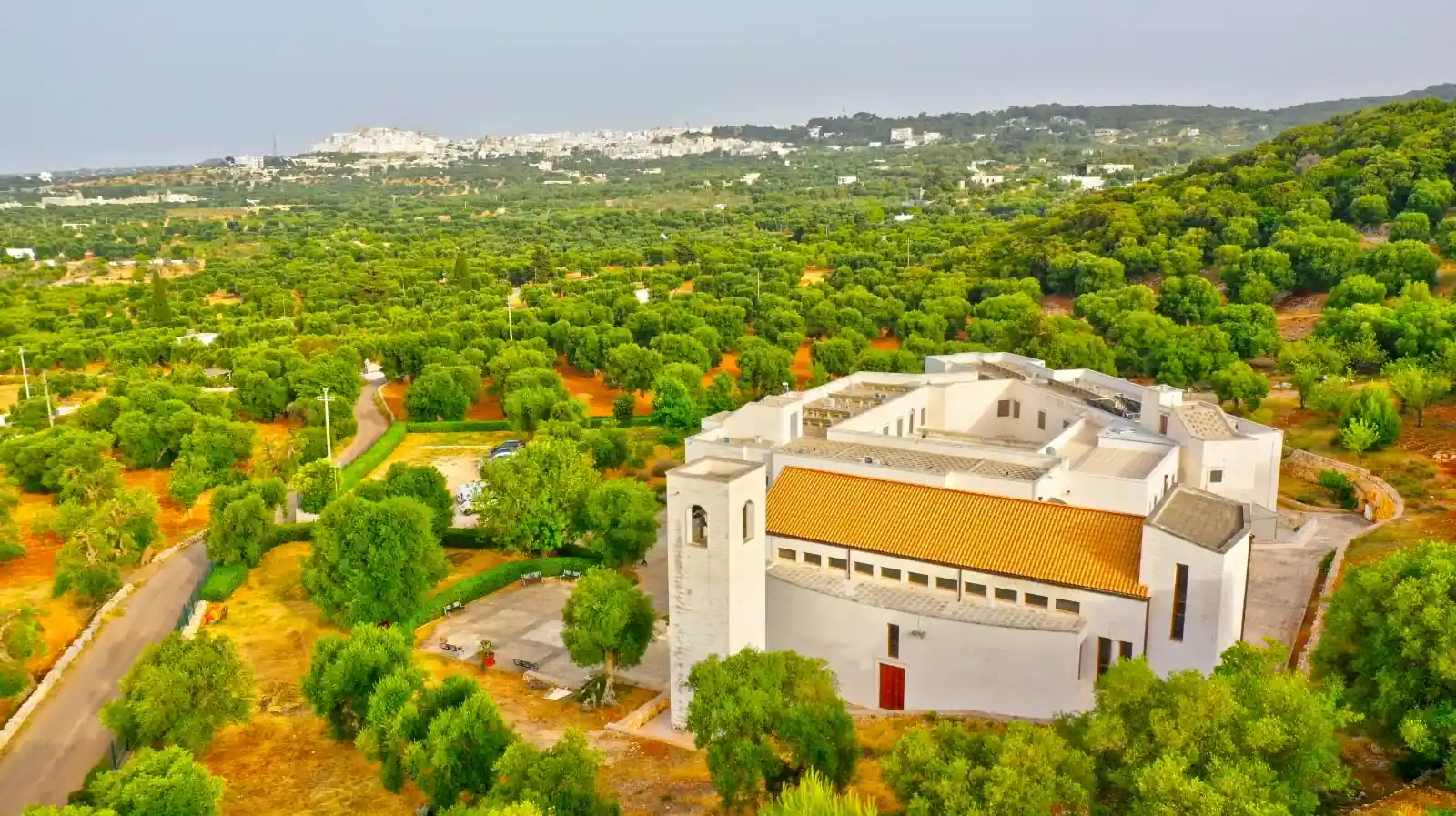
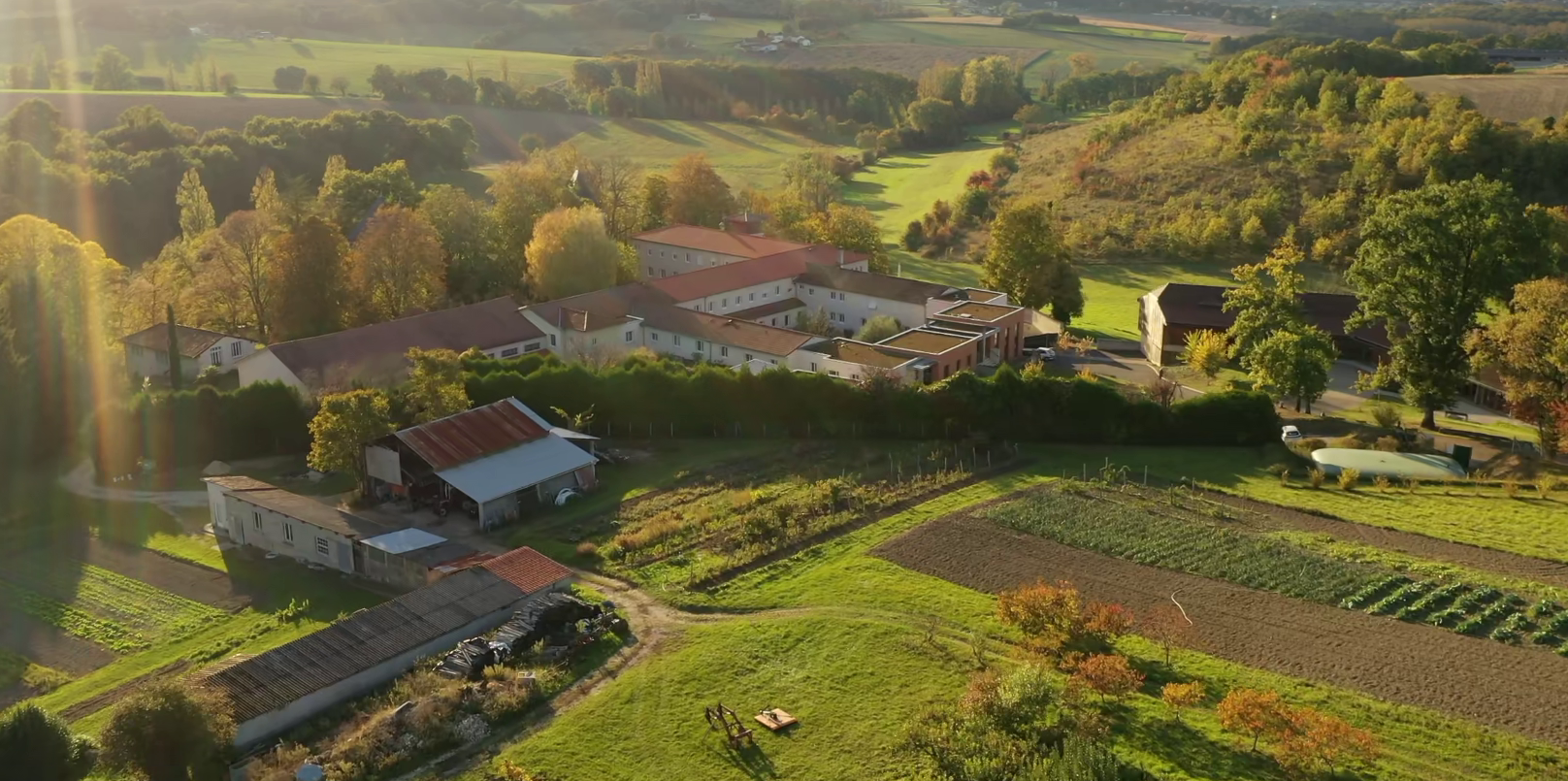
Halfway between Angoulême and Bordeaux, Benedictine nuns joyfully welcome you to Maumont Abbey. Nestled between meadows and forests, this haven of tranquility is ideal for a moment of spiritual renewal in the heart of Charente.
Retreats organized by the community
The Benedictine nuns of Maumont Abbey
Maumont Abbey is a place steeped in a rich history spanning over 1,200 years, rooted in the spiritual heritage of Carolingian Aquitaine.
In 817, King Pepin of Aquitaine established a monastery in the town of Saint-Jean d'Angély in northern Charente-Maritime to house the relics of Saint John the Baptist.
Nearly a millennium later, in 1776, Gertrude Coulaud, a resident of Saint-Jean d'Angély, was directed by the Benedictine prior of Saint-Jean's monastery to the Abbey of Saint-Maixent, where she would receive the monastic habit one year later.
In 1792, after Gertrude had become Mother Gertrude, novice mistress, her community was violently dispersed, forcing her to take refuge with her family in Saint-Jean. The monks of the town, also forced into exile and recognizing Mother Gertrude's strength, decided to entrust her with funds "to rekindle the flame of monastic life."
Driven by unwavering resilience, she decided in 1816 to create a community in Saint-Jean with two former religious. In 1827, the monastery of Notre-Dame-des-Anges was officially founded.
In 1958, as the monastery's enclosure was gradually surrounded by the urbanization of Saint-Jean d'Angély, the nuns decided to relocate the abbey. The community moved 100 km south to the rolling green landscape of Juignac, to Maumont Castle, which gave the current name of Sainte-Marie de Maumont Abbey.
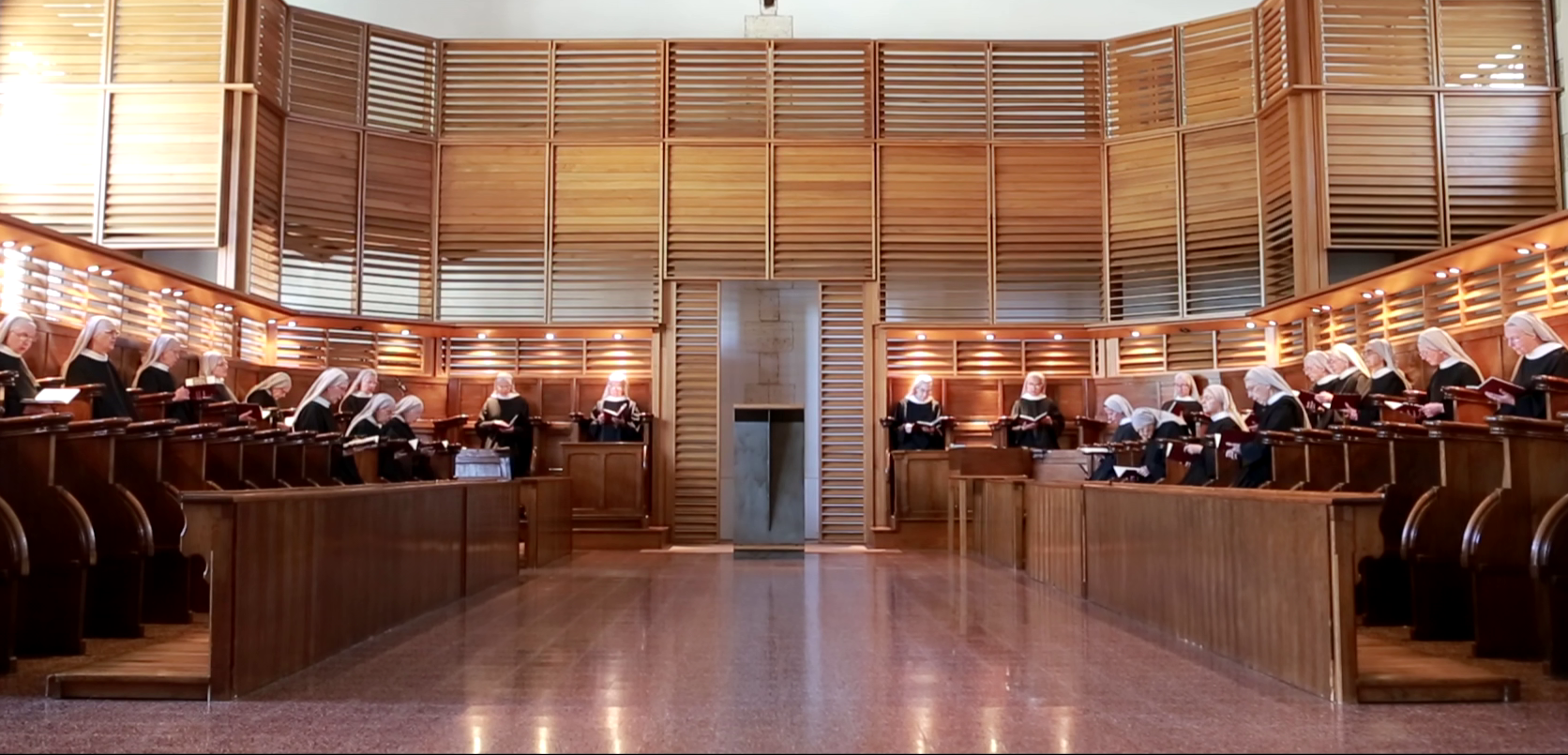
The prayer life of the Benedictine nuns of Maumont
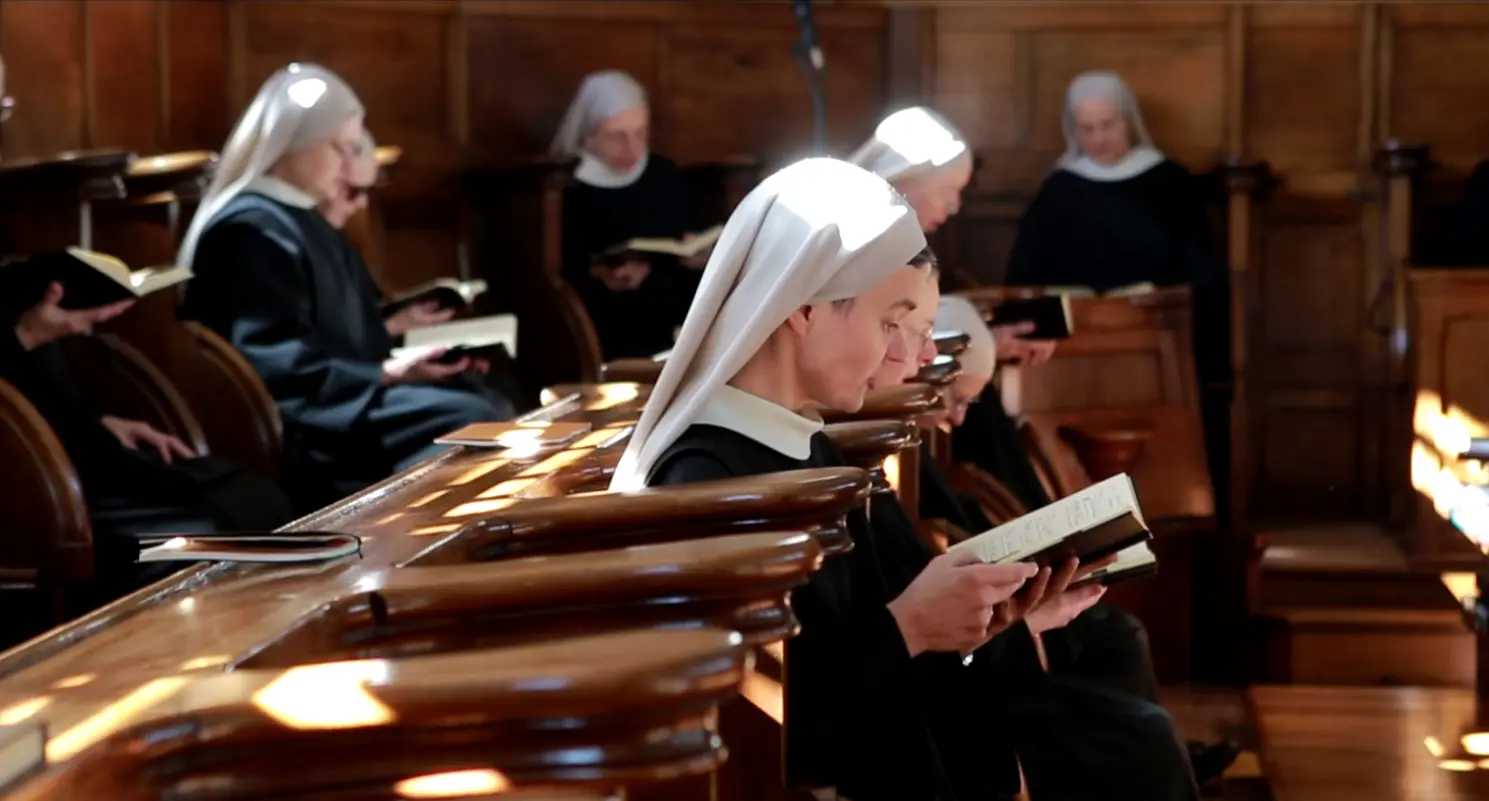
The Benedictine nuns of the abbey will be happy to welcome you to share their lives governed by the Rule of Saint Benedict dating from the 4th century. This Rule shapes the life of religious communities by establishing a balance among prayer, study, and manual work: "Ora, lege et labora."
The nuns strive to seek God in all things, particularly by cultivating an intense life of prayer, both personal and communal. Saint Benedict provides that the monastic community gathers in church to pray seven times a day, so as to sanctify every moment of life.
The prayer life is also nourished by lectio divina, that is, by the meditative reading of the Word of God and the study of various theological texts.
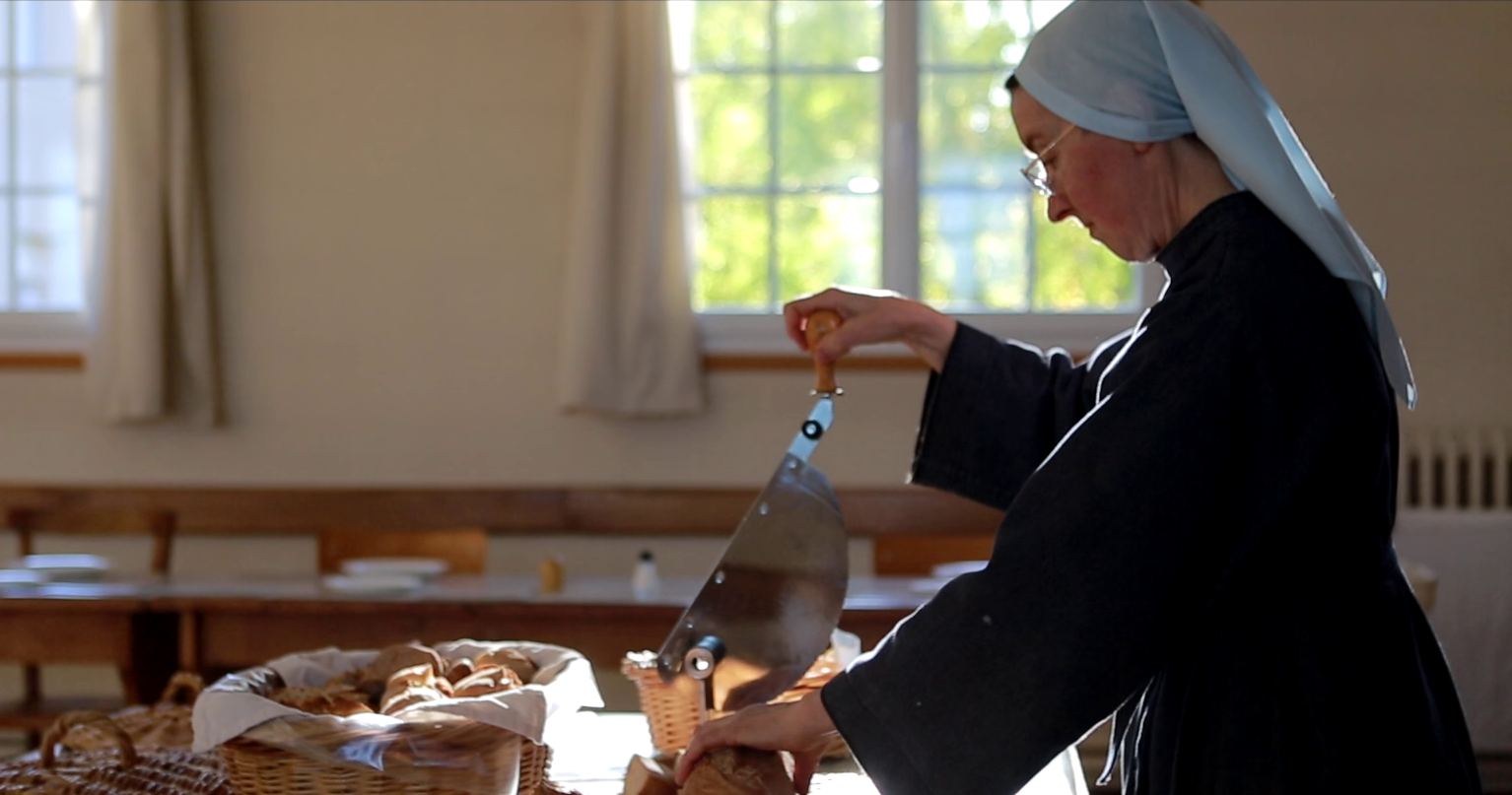
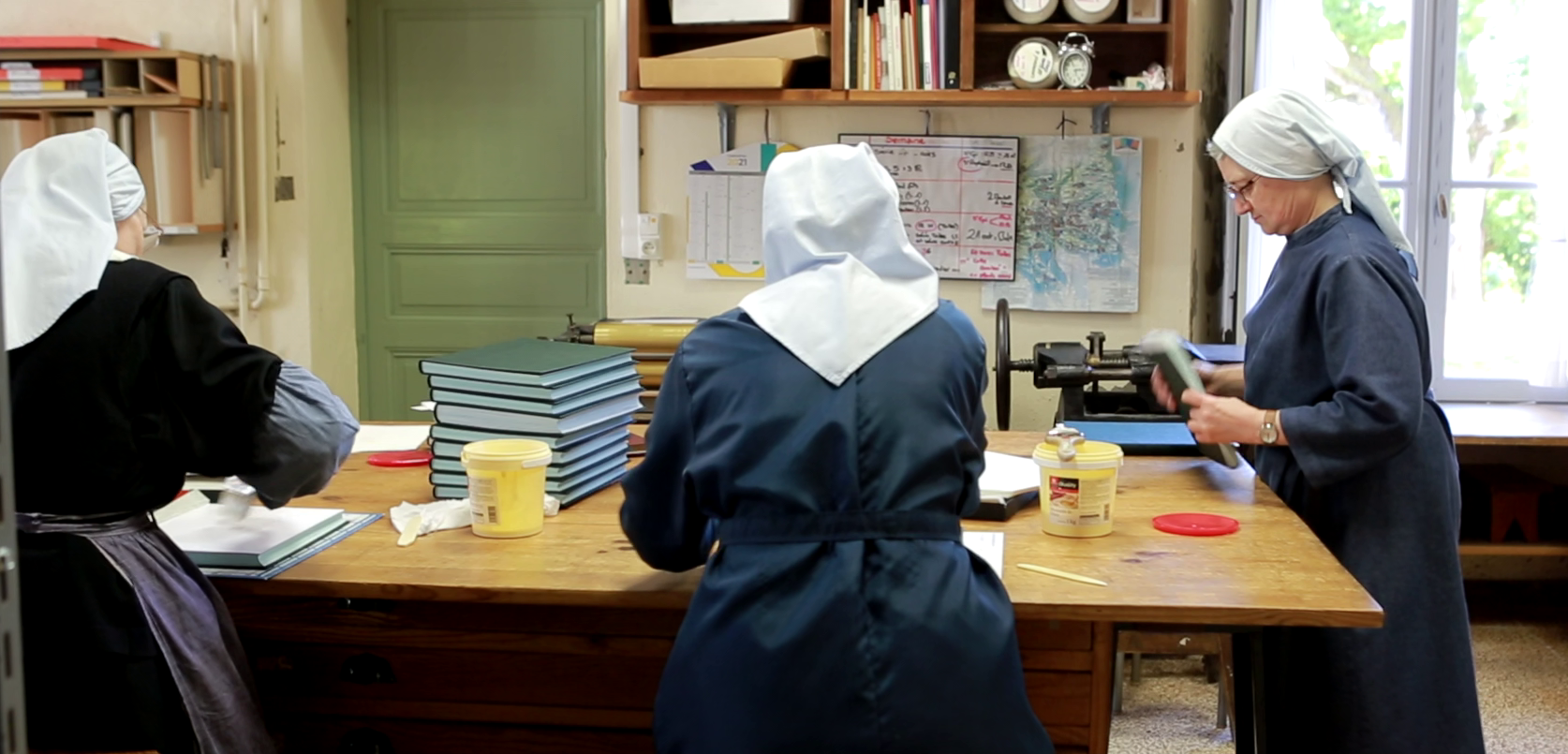
The work of the Maumont nuns: daily tasks and expertise in bookbinding!
The nuns live from their work (remember "Ora, lege et labora") and each day each one has time devoted to manual work: vegetable garden, garden, property maintenance, cooking, everything is integrated into the monastery!
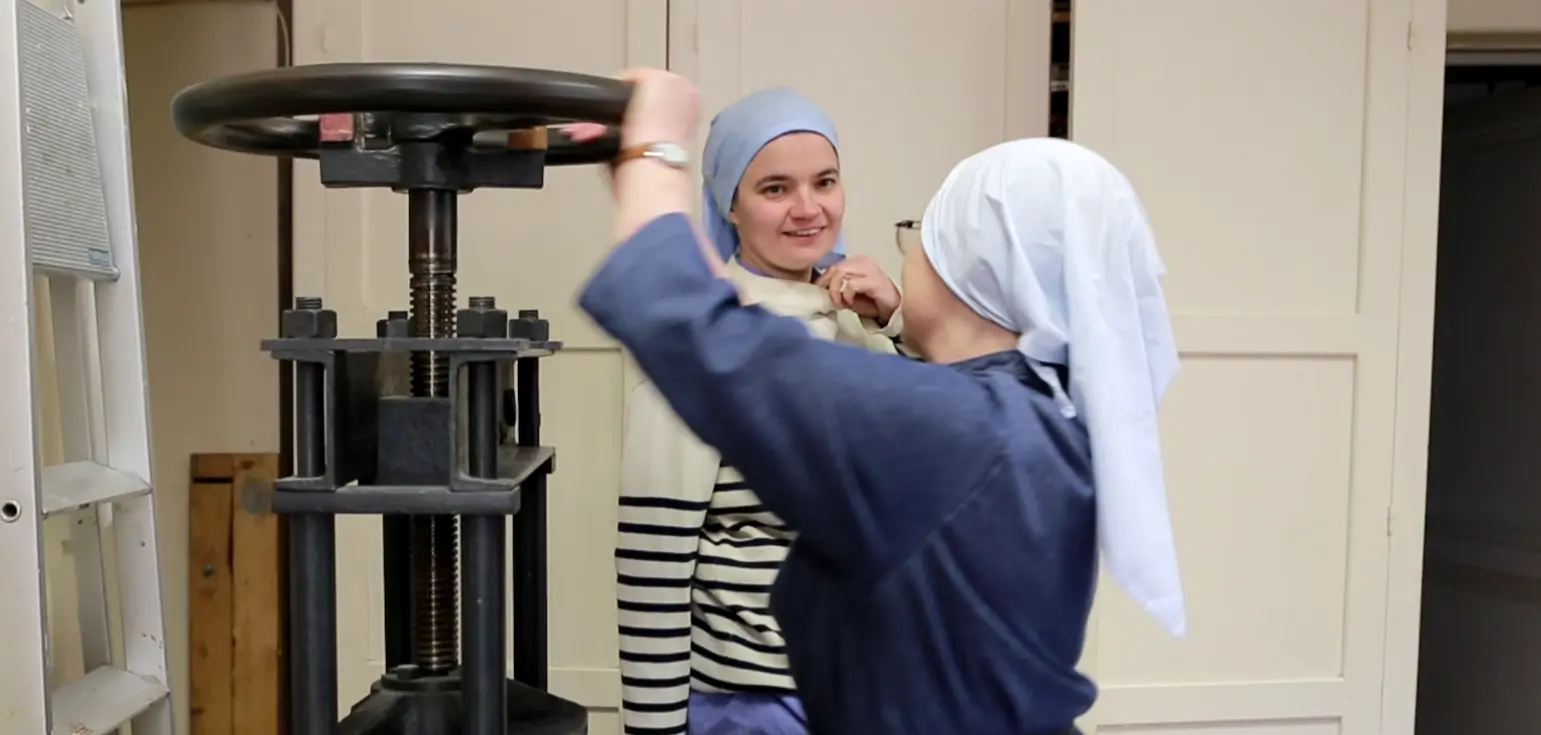
The specialty of Maumont Abbey: bookbinding
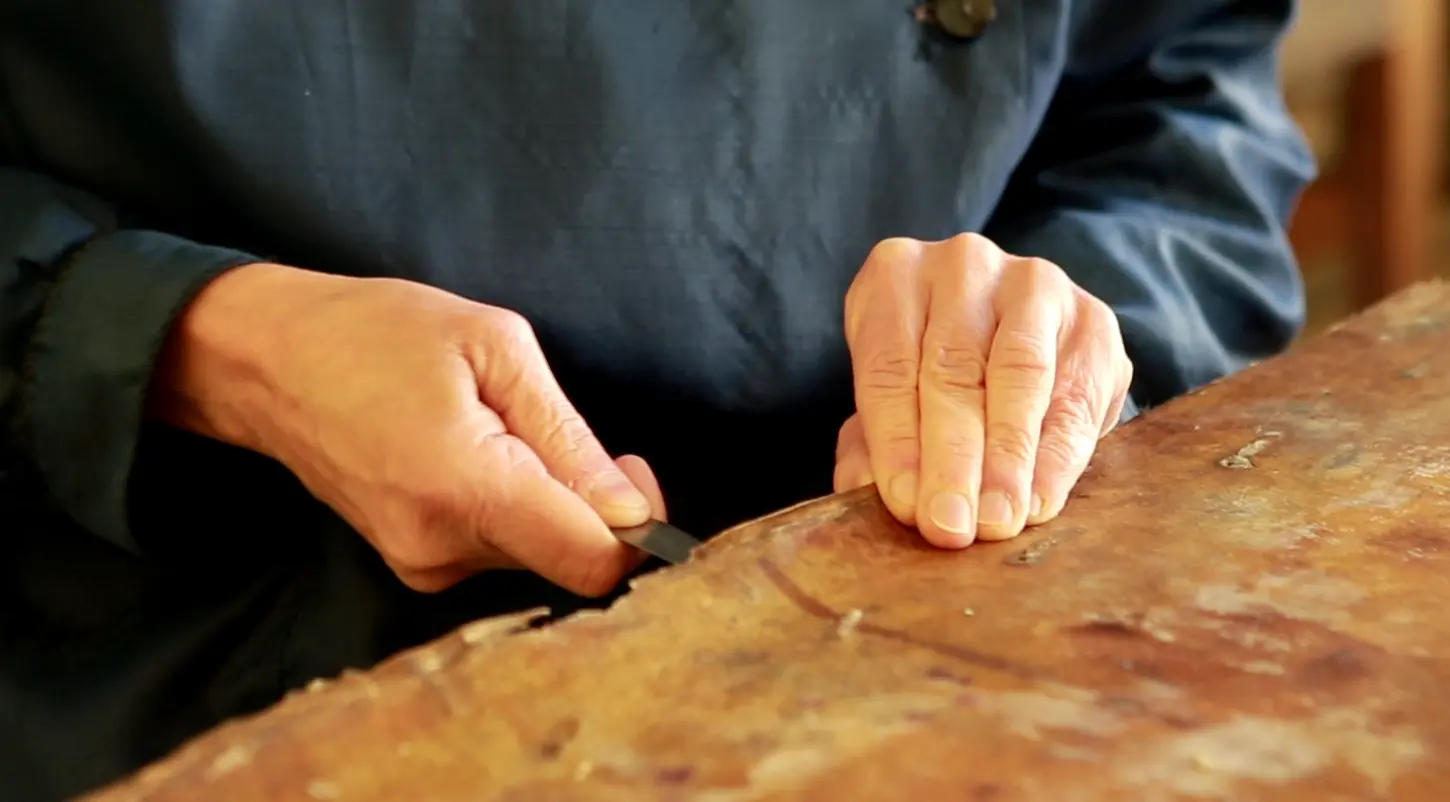
The Benedictine nuns of Maumont are just as skilled with their hands as they are fervent in their prayer! Thus, their main work is binding books from all eras and all genres, with excellence!
A bit of leather, thread, paper, glue, and... gold, a few pairs of expert or apprentice hands, to bind books in all conditions and thus make it possible to read and reread them, from generation to generation.
What to expect during your stay
Sainte-Marie de Maumont: perfect setting for a successful retreat
"All guests who arrive shall be received as Christ" (Rule of St. Benedict, Chapter 53)
Hospitality is a priority in Benedictine life and is fully part of the Rule of Saint Benedict that the nuns strive to follow. Close to the Church or not, everyone can be received for a time of silence, conducive to renewal, contemplation, and meditation.
At the guest house, you will be welcome whatever your expectations for:
- Participating in the divine offices of the monastery
- Taking prayer times in silence
- Meeting with a sister and receiving spiritual guidance
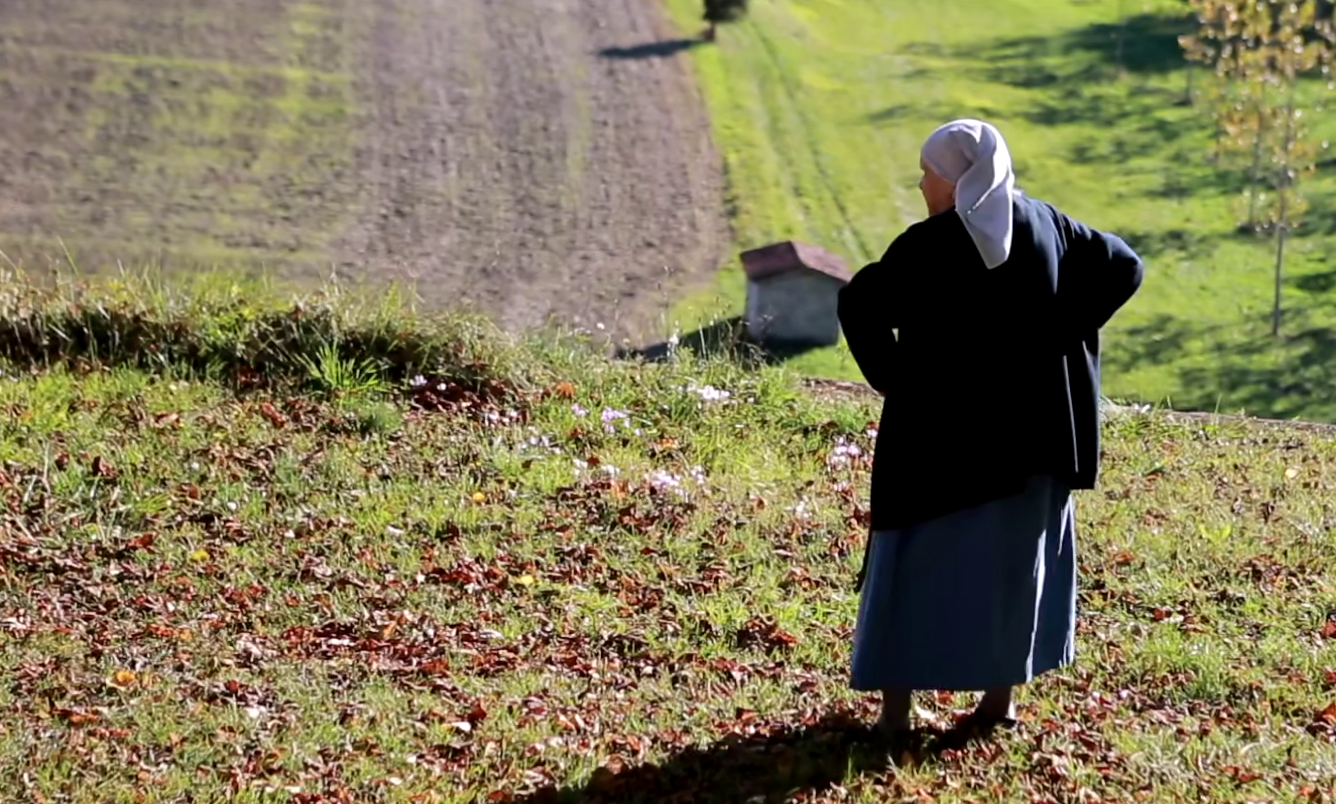
- Pausing and resting, enjoying the tranquility of the place and walks around the castle
- Helping the community with small manual tasks
Students can also come to study for exams in a setting conducive to concentration
Retreats can be experienced individually or in groups, where you can then arrange with a sister to explore a theme together.
In short! You can come to Maumont to take a little distance from daily life, slow down, breathe, get some fresh air, stroll, garden, harvest, and... disconnect. Pure bliss!
If you want a guide for your retreat, we wrote an article right here
The guest house of Maumont Abbey
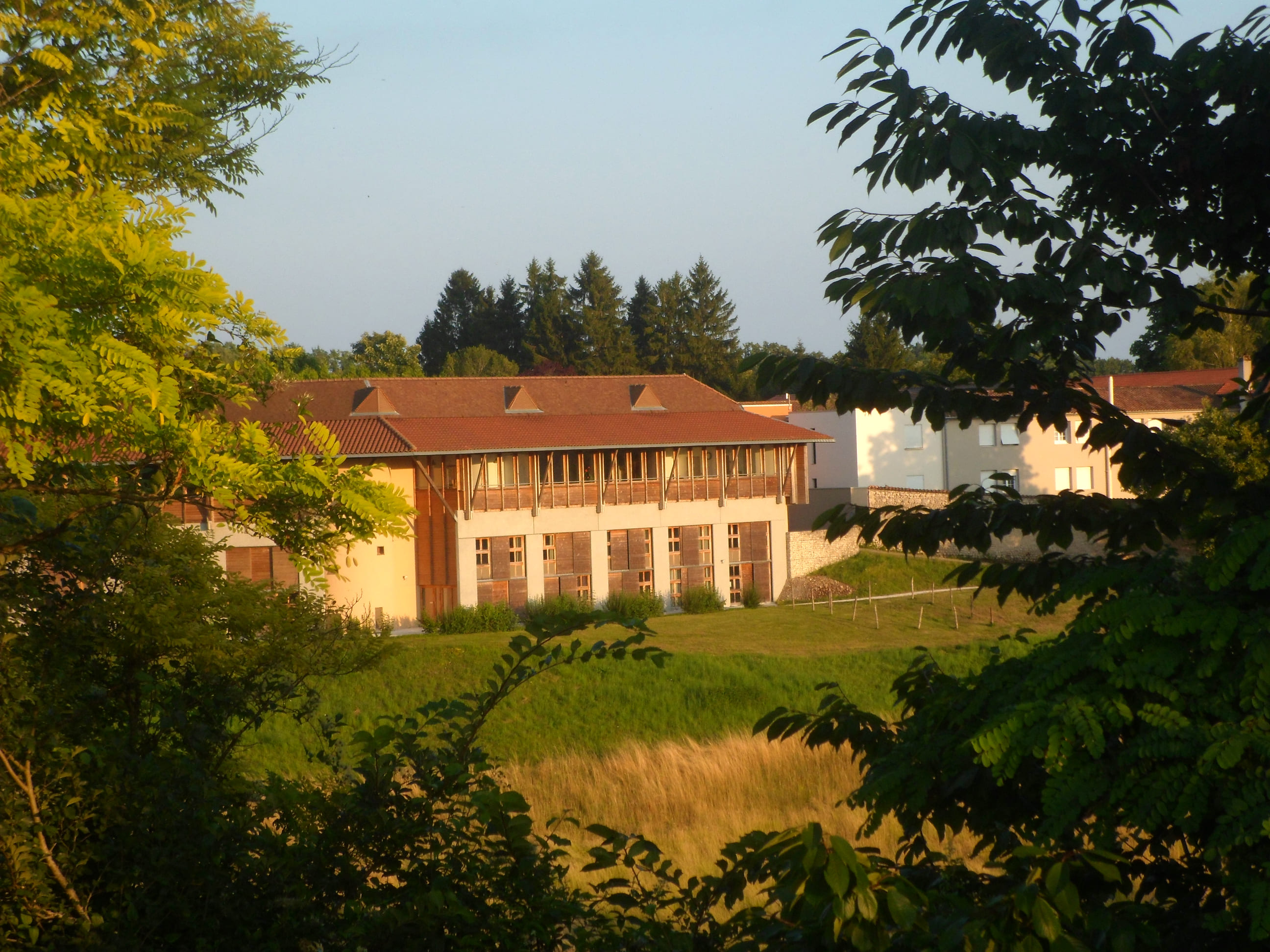
The abbey has 4 buildings to welcome you:
La Combe Saint Benoît: Modern, simple, beautiful, and spacious building, this is the main guest house where meals are taken. Groups can gather here and each room (1 or 2 beds) is equipped with a shower and toilet. Three rooms are adapted for people with reduced mobility.
La Métairie: As its name suggests, this is the former main building of a farm. One level, thick walls: you feel good here. It primarily welcomes young people today. The rooms are dormitories with bunk beds (2, 4, or 6 beds). You sleep with your own sleeping bag. Showers are shared. A large room allows gatherings, and possibly meals. It has a small kitchenette equipped with the essentials.
Le Vieux-Logis: What's old here are the stones, beams, and framework. The rest is quite recent.
On the ground floor: a veranda and 2 studios, each with a 2-bed room, a 1-bed room, 1 toilet and 1 shower.
Upstairs: 2 large rooms (with sinks): one with 2 beds, the other with 3 beds, and 1 shared toilet.
There's a kitchenette shared by the 2 studios, also equipped with the essentials. It's ideal for families with children!
Le Pavillon: It's neither round nor square (in the strictly geometric sense). You'll find 3 rooms, each equipped with a shower. Toilets are shared, as is the kitchenette.
Geography and activities
Many walks and hikes around the abbey
- Aubeterre-sur-Dronne (15 km from the monastery). Guided tours of this magnificent little village are offered year-round. It's particularly known for its monolithic church carved in the 12th century.
- Les tourbières de Vendoire The Vendoire Peatlands Natural Site constitutes an island of nature in the midst of cultivated lands. Spread over 65 hectares, its wild appearance, habitat diversity, and great entomological richness make it an original place of strong heritage interest.
- The Argentine plateau discovery trail Located at the borders of Dordogne and Charente, the Argentine limestone plateau is one of the major natural sites of the Périgord Limousin Regional Natural Park. Various elements enrich the route with historical interest... (1h30, 5 km)
- The tour of the grand pond The ponds of La Jemaye were created in the 15th century by monastic communities who, by practicing fish farming, had a safe and sustainable food resource. Surrounded by the Double forest, partly replanted with pines... (1h05, 4 km)
- The Douchapt fountains loop Fountains and wash houses to discover through paths and villages, encountering traditions and legends that have been transcribed so they won't be forgotten. (2h40, 10 km)