Saint-Martin du Canigou Abbey
.webp)
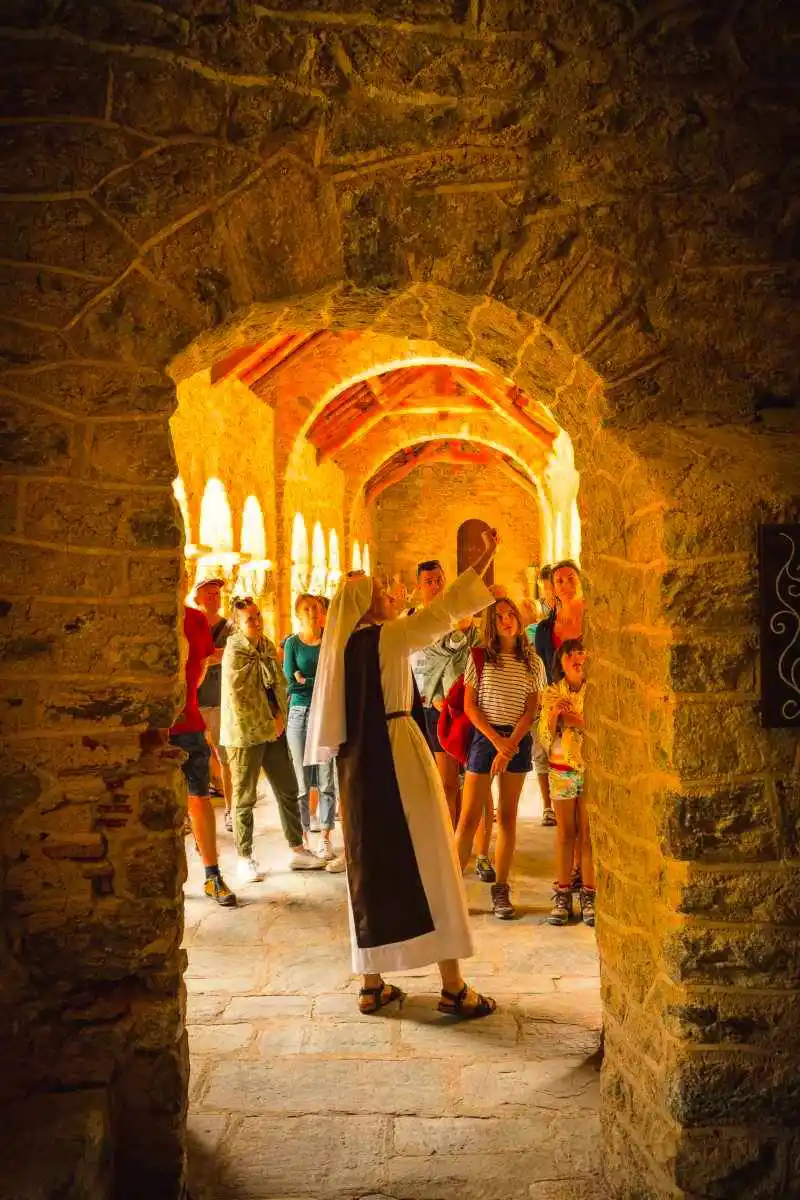
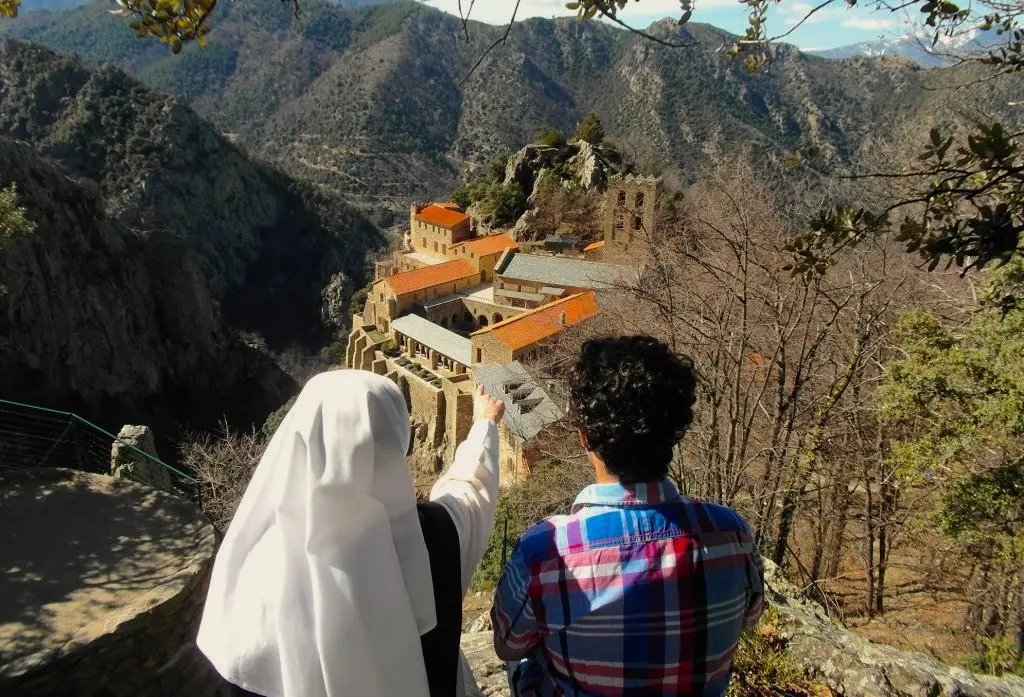
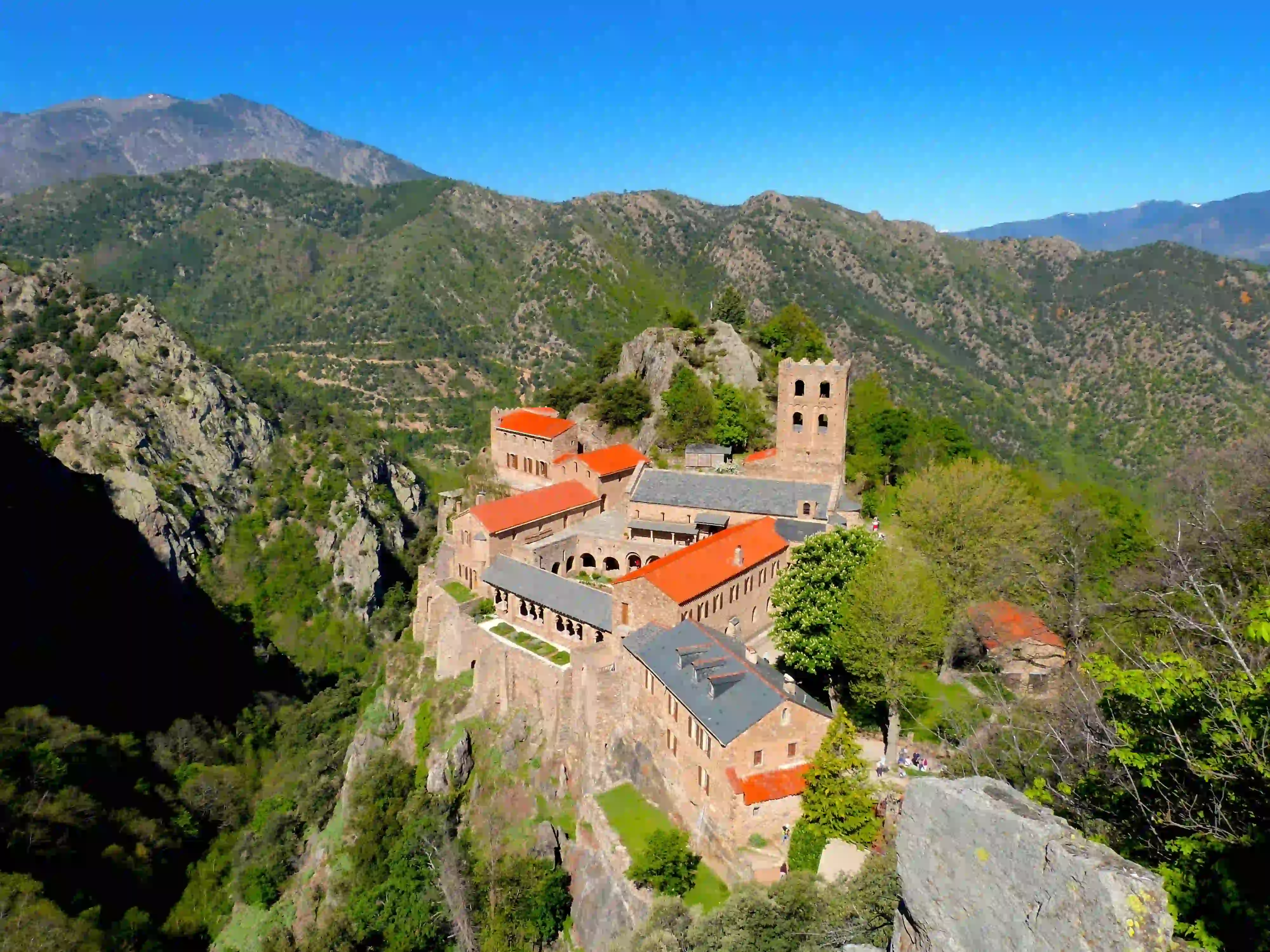
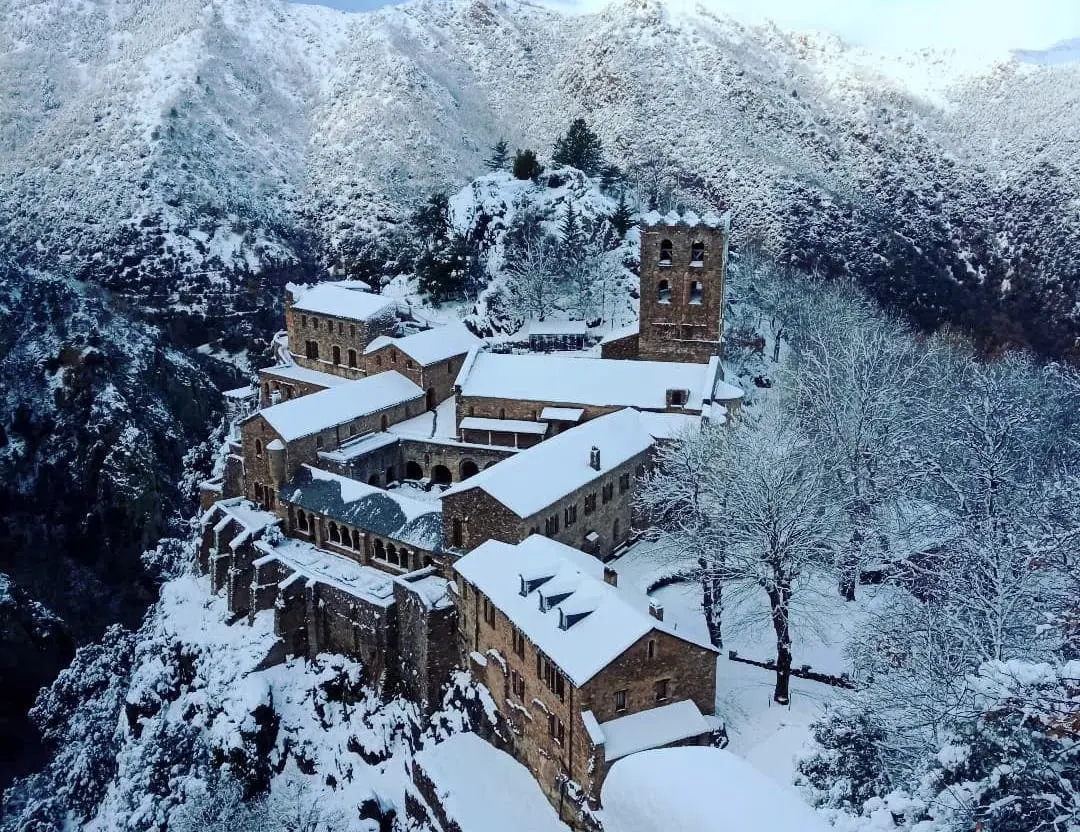
Perched on a rocky peak in the heart of the Pyrenees, Saint-Martin du Canigou Abbey welcomes young people for long retreats (between one month and one year), to immerse yourself body and soul in a refreshing, simple, and spiritual community rhythm of life!
Retreatants of all ages are also welcome for short retreats of 3 to 6 days (between Tuesday morning and Sunday afternoon).
Retreats organized by the community
The Beatitudes Community at Saint-Martin du Canigou Abbey
The Beatitudes Community was founded by two couples who were friends in 1973. They decided to live in community and share their possessions, following the example of the early Christians. The community is one of many "new communities" that appeared in the Catholic Church following the Second Vatican Council and in the movement of Charismatic Renewal, a spiritual movement that took off starting in the 1960s.
The Beatitudes Community has been marked since its origin by the biblical episode of Pentecost, that is, it is committed to being open to the action of the Holy Spirit. The community's purpose is union with God for each of its members, through prayer, praise, liturgy, and fraternal life.
This commitment radiates through apostolic endeavors, meaning encounters and sharing of their ideal, and works of charity. Thus, the community took charge of managing a hospital in Congo, began organizing summer camps for young people, launched its own radio station as well as a publishing house.
In the 1990s and 2000s, the community continued its expansion in France and abroad to the four corners of the world, from Vietnam to Mexico and from New Zealand to Peru via Mali.
The Beatitudes Community is nourished by the diversity of individual paths of its members: it brings together consecrated Sisters, consecrated Brothers, some of whom are priests, and lay people, single or married. In short, it's a large family which, after many stages, was established on December 8, 2020 as an Ecclesial Family of Consecrated Life under diocesan law. It is part of the public body of the Church and depends on the dicastery for consecrated life.
.jpeg)
Saint-Martin du Canigou Abbey: a thousand years of spiritual presence
Canigou Abbey is literally a thousand-year-old monument, dating from the year of grace 1009. Founded by Guifred II of Cerdanya, related to the counts of Barcelona, it housed a Benedictine monastery.
The earthquake of 1428 that struck Catalonia damaged the bell tower of the abbey church. In 1779, only 5 monks remained living in the abbey and they then asked to leave the premises in 1783. Confiscated during the Revolution, it was resold to a local owner, who used it to house his flocks and shepherds. For more than a century, the abbey was therefore deprived of spiritual presence.
It was not until 1902 that the Bishop of Perpignan undertook the reconstruction of the abbey which would be completed by Father Dom Bernard de Chabannes between 1952 and 1982. The Bishop of Perpignan then entrusted the Saint-Martin Abbey in 1988 to the Beatitudes Community for spiritual animation, tourist visits, and maintenance of the place.
The abbey is millennial because of its history, but also millennial by its altitude, at 1,055 meters high. It takes about three-quarters of an hour of walking, taking the abbey path, between the village of Casteil and the abbey which cannot be accessed by car. There is some elevation gain and it's steep, but what joy and what beauty (we totally recommend it!!)
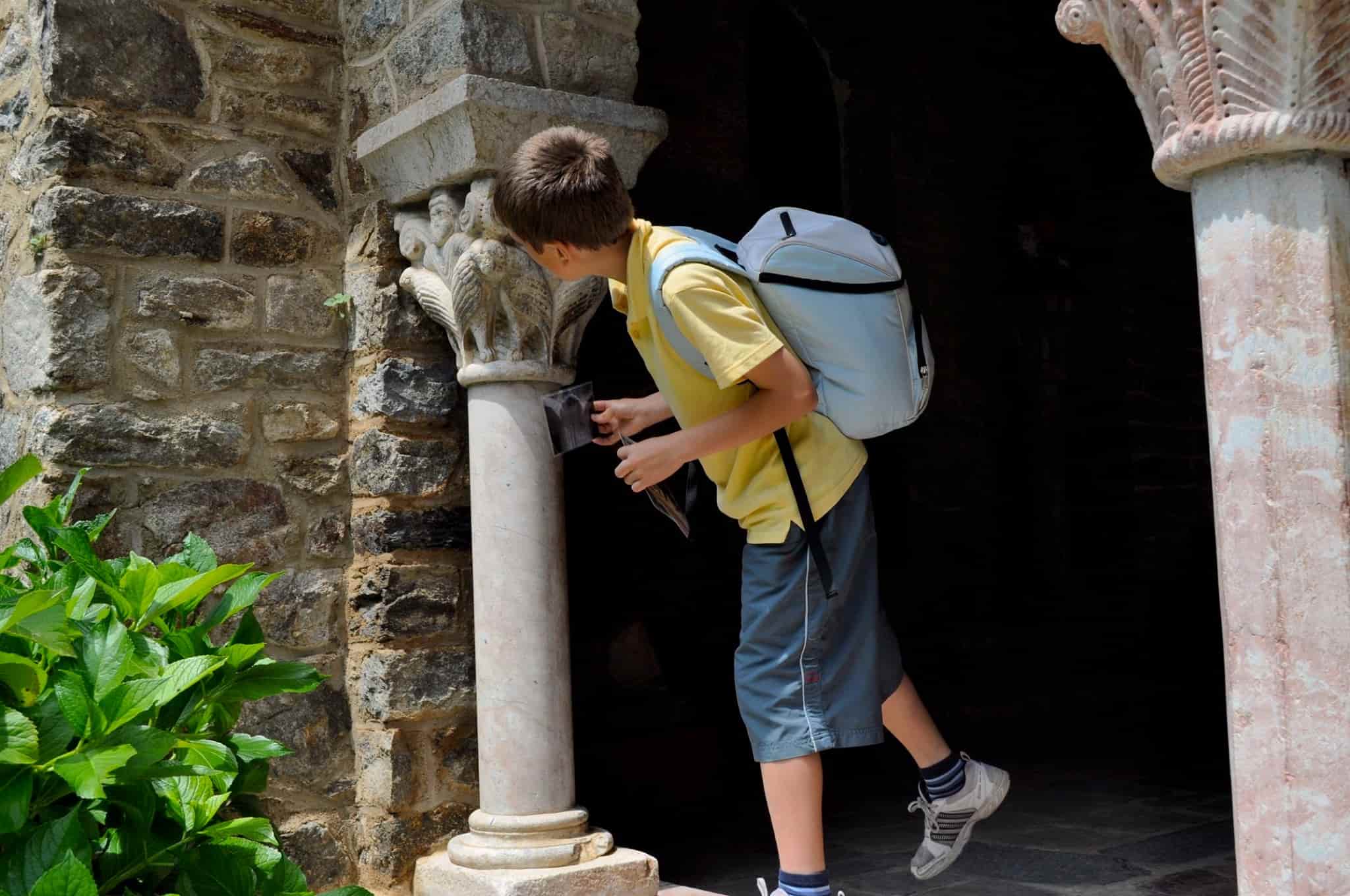
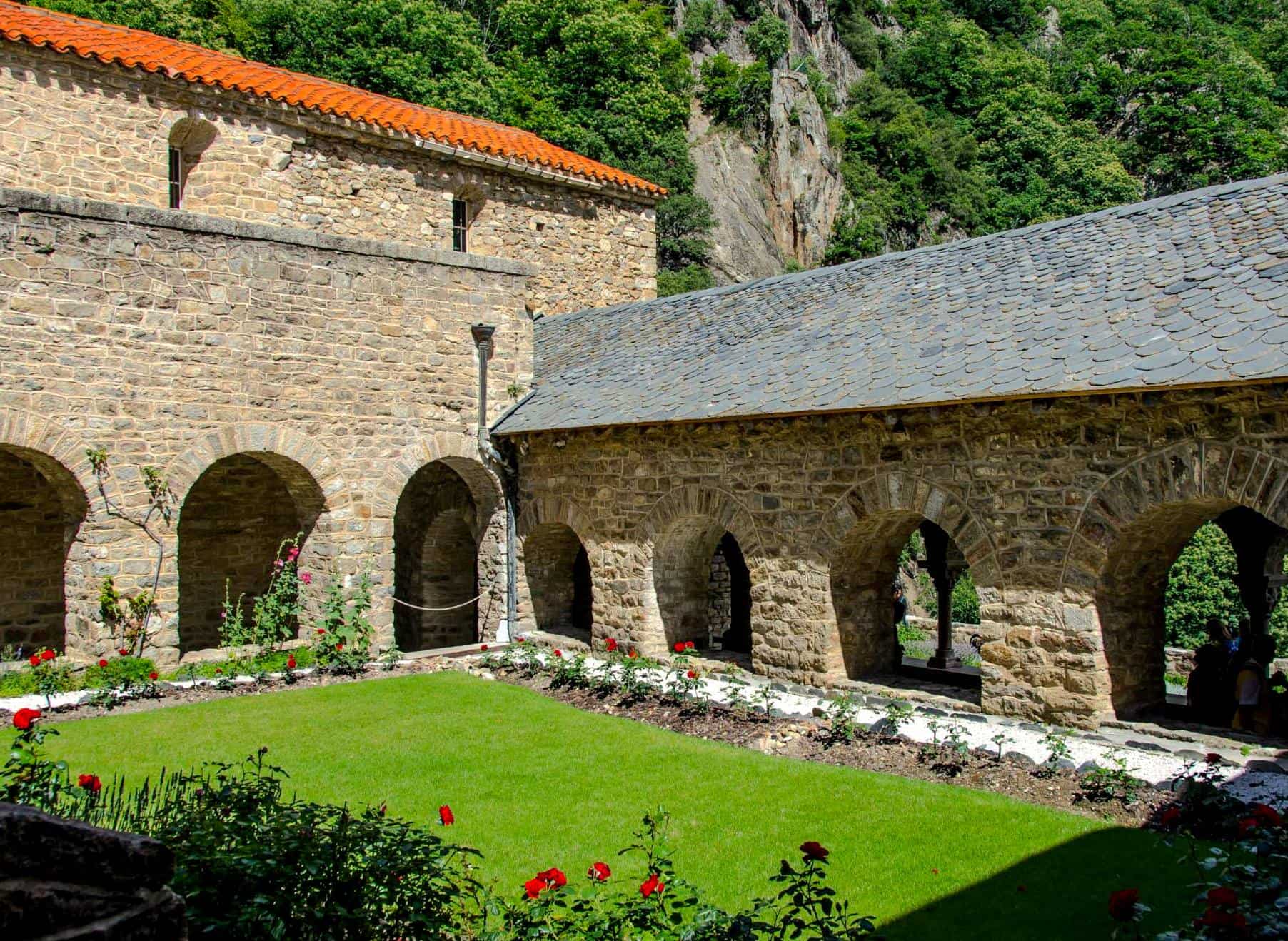
The abbey is a jewel of Catalan heritage, it's a flagship of the region's first Romanesque art! It was ranked the tenth favorite monument of the French in 2022. It is also a tourist site and a magnificent stopping point praised by all for its absolute beauty. Each year, some 26,000 visitors stop at Saint-Martin du Canigou Abbey, as well as some pilgrims on this secondary southern route to Santiago de Compostela.
.jpeg)
What to expect during your stay
The two types of long-term retreats at Canigou Abbey
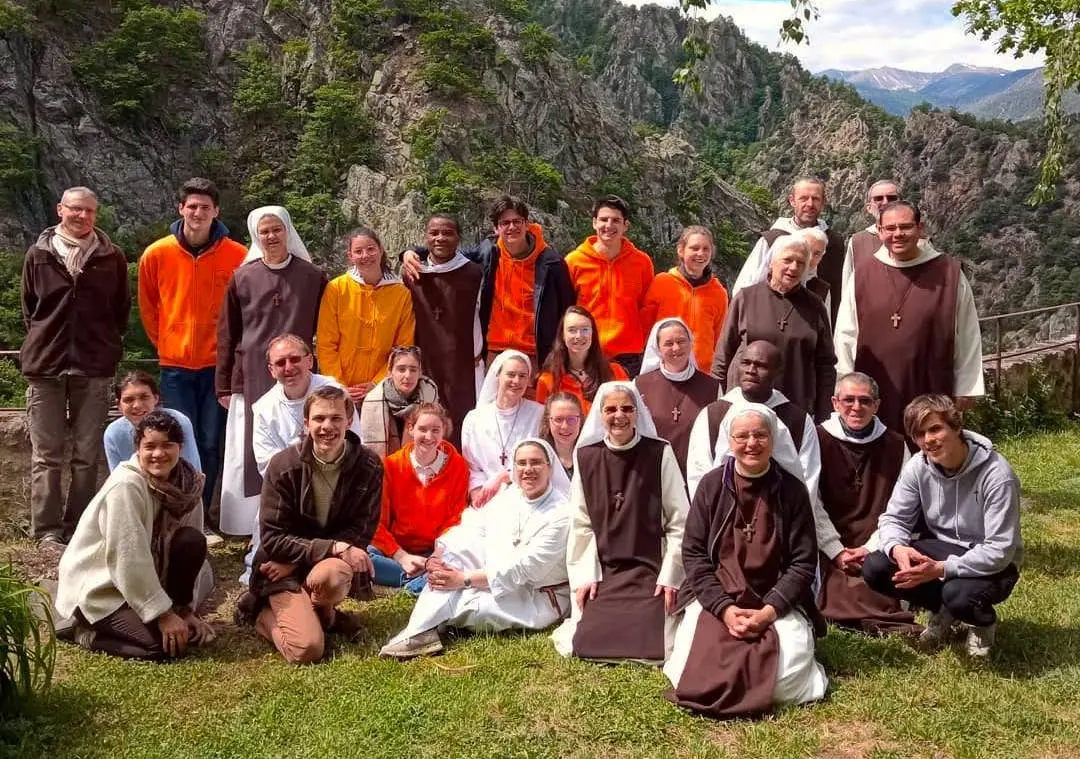
The abbey welcomes young people (18-30 years old) throughout the year for long retreats in two formats: "Break time in God" or "Welcome à l'Abbaye".
The abbey's isolation promotes calm, it is conducive to renewal in a natural setting of great beauty. The Romanesque architecture attracts numerous visitors who can enjoy the guided tours offered by the abbey. These long-term retreats are an opportunity to live an enriching experience on both human and spiritual levels and aim to give the opportunity to listen to the Lord while discovering the joys of community life.
The objectives of the Break time in God retreat are:
- to dedicate enough time to the Lord to deepen your relationship with Him and thus grow your faith as a Christian.
- to learn to know Him better and thus know yourself better.
The objectives of the Welcome à l'Abbaye retreat are:
- to give you time to deepen your own quest and the questions you ask yourself.
- to learn to know yourself better.
- to open yourself to the spiritual dimension of the Christian setting that welcomes you.
What the community offers you and what you commit to (in brief)
spiritual guidance (Break time in God) or regular meetings with a guide to share personally and be heard (Welcome à l'abbaye)
The community commits to offering you:
- immersion within it, with liturgical times and fraternal ones.
- accommodation (individual room and common social area), meals (meals are generally taken in community) and access to the laundry.
- spiritual guidance (Break time in God) or regular meetings with a guide to share personally and be heard (Welcome à l'abbaye).
- customized formation according to your expectations (content and rhythm) and follow-up by a spiritual guide.
- times of sharing and teachings in groups.
- times of relaxation (possibility of outings).
For your part, you commit to:
- participate in Saturday Vespers, Sunday Mass, and the liturgy of your choice once per day during the week (Welcome à l'Abbaye) OR personally engage in the prayer life, formation, and spiritual guidance offered to you (Break time in God).
- participate in the house services.
- take care of your financial needs, including travel and outings.
- practice a school of respect for everyone's freedom, vigilance of heart, and patience.
- stay for a determined duration: one month with the possibility of extending your stay after discernment (Welcome à l'Abbaye) OR between three months and one year (Break time in God).
All commitments are detailed in the charter that you will co-sign with the community.

Going to Canigou for just a few days is also possible!
At Canigou Abbey, seeking calm and contemplation, adults are welcome for retreats of between three and six days.
You will have the opportunity to participate in the community's liturgical life by attending the divine offices, in community life by taking part in meals and household tasks, and in fraternal life by giving an hour of your morning.
If you wish, you will also have the possibility to meet a brother or sister of the Community.
Please note, this type of retreat is not available in January, during the week following Easter, during the week following Christmas, and during the summer period (July 1 to August 31).
Geography and activities
In the heart of the Pyrenees, between heaven and earth, the magic of Canigou Abbey
Saint-Martin du Canigou Abbey takes its name from the massif in which it is located: the Canigou massif. The highest peak in the region, Canigou peak reaches 2,784 meters. It is located about five kilometers as the crow flies from the abbey. But since you're not birds, plan rather on five hours of hiking from the abbey.
Since 2012, the massif has been labeled Grand Site de France by the Ministry of Ecology. The massif is also home to Saint-Michel de Cuxa Abbey, also a Benedictine monastery, which precedes Canigou Abbey since it was built as early as the 10th century. The community that settled there dates back to 840. Now, Benedictine monks from Montserrat in Catalonia are giving new life to these places. The last element of the massif's rich religious heritage: Serrabona Priory. The youngest of the three religious sites, it was built in the early 11th century. It now belongs to the general council of the Pyrénées-Orientales.
The nearest town is Prades, but you will also find in the area the town of Ille-sur-Têt, which has an important religious heritage and which has been known since Prosper Mérimée took up his pen to write La Vénus d'Ille. It is also here that you can see the organs of Ille, fascinating geological curiosities. A little further, the town of Céret will give you a taste of Catalonia or the coastal town of Collioure, pearl of the Vermilion Coast where Matisse and Picasso loved to linger.