Saint-Paul de Wisques Abbey
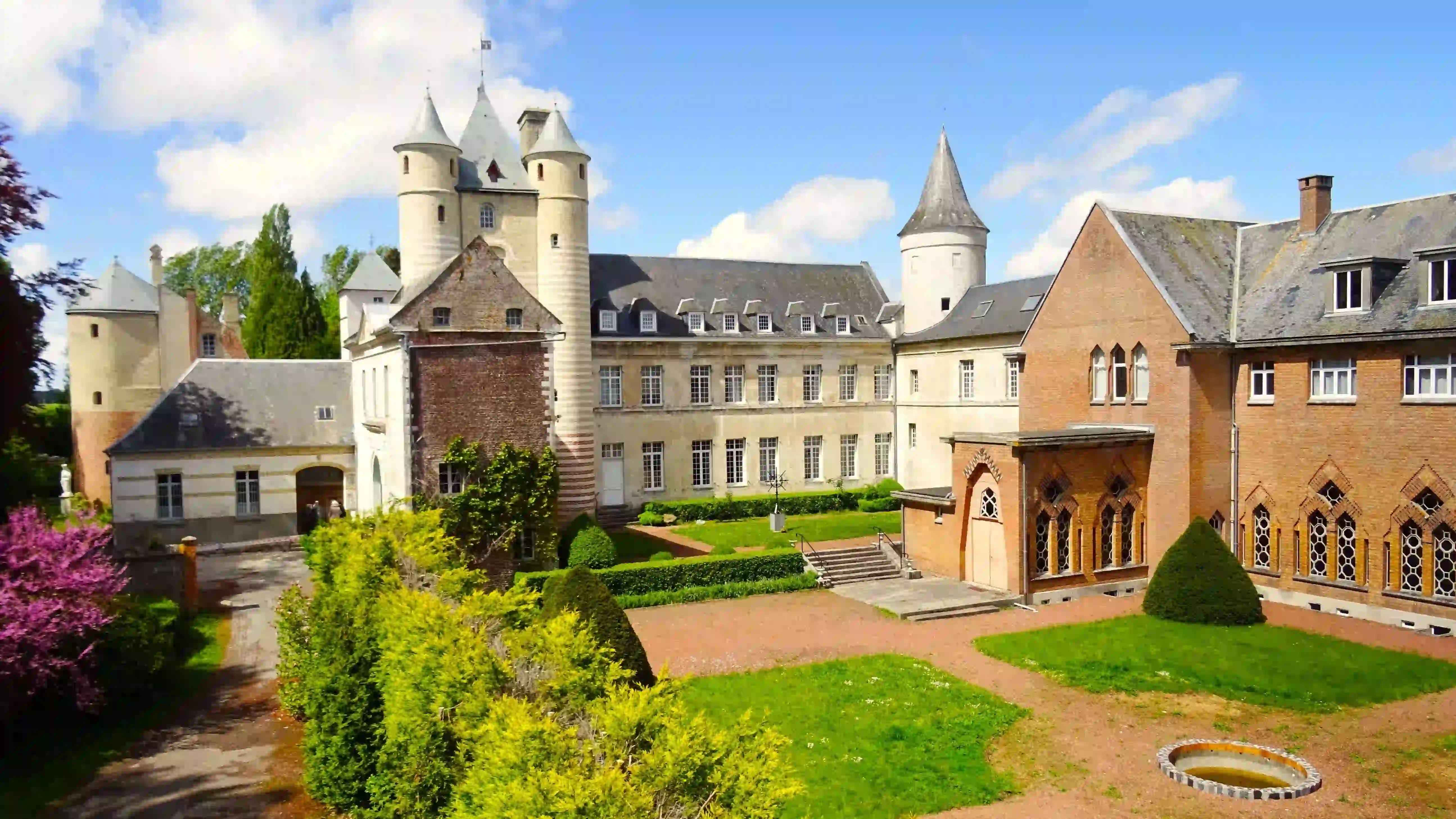
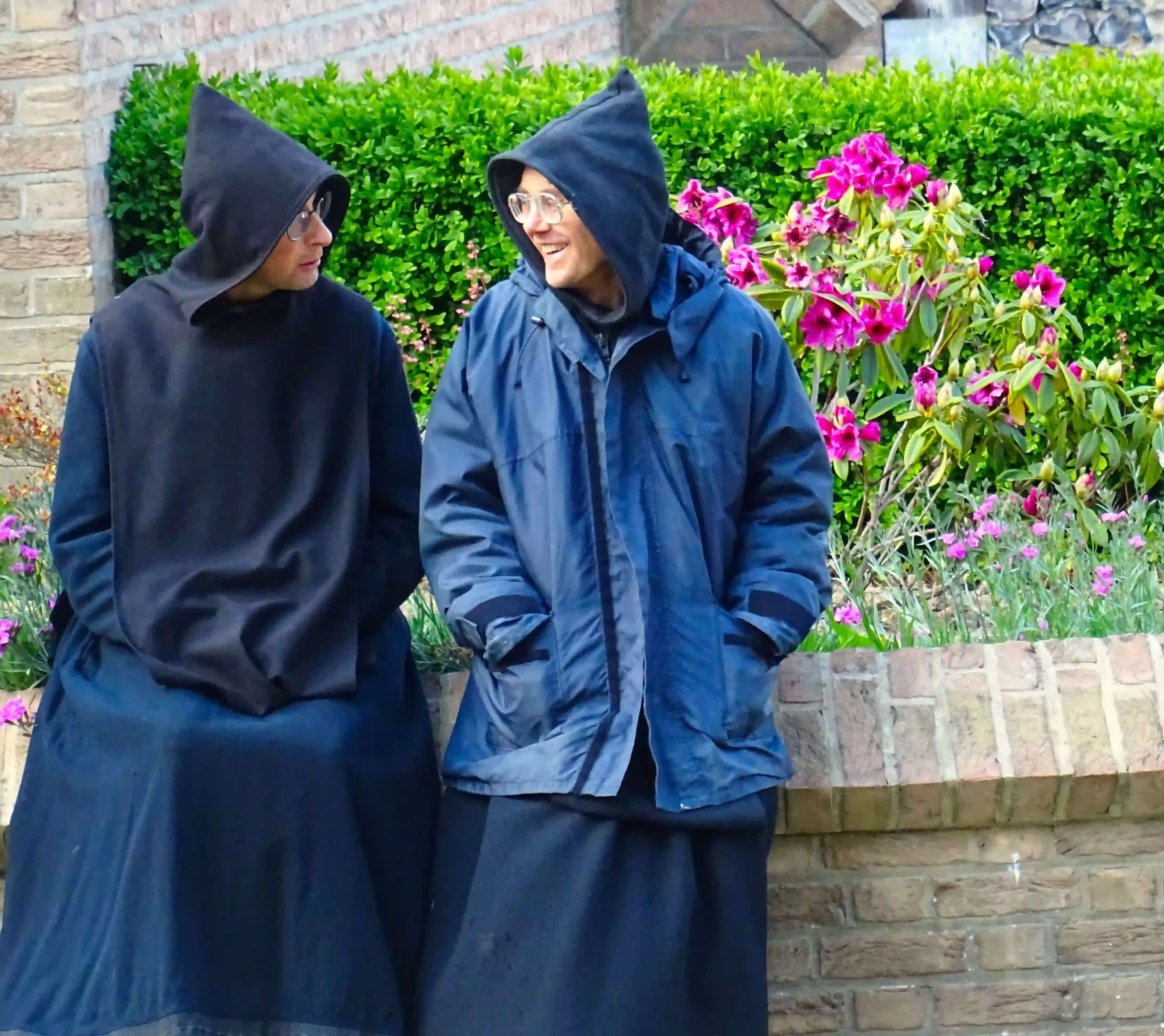
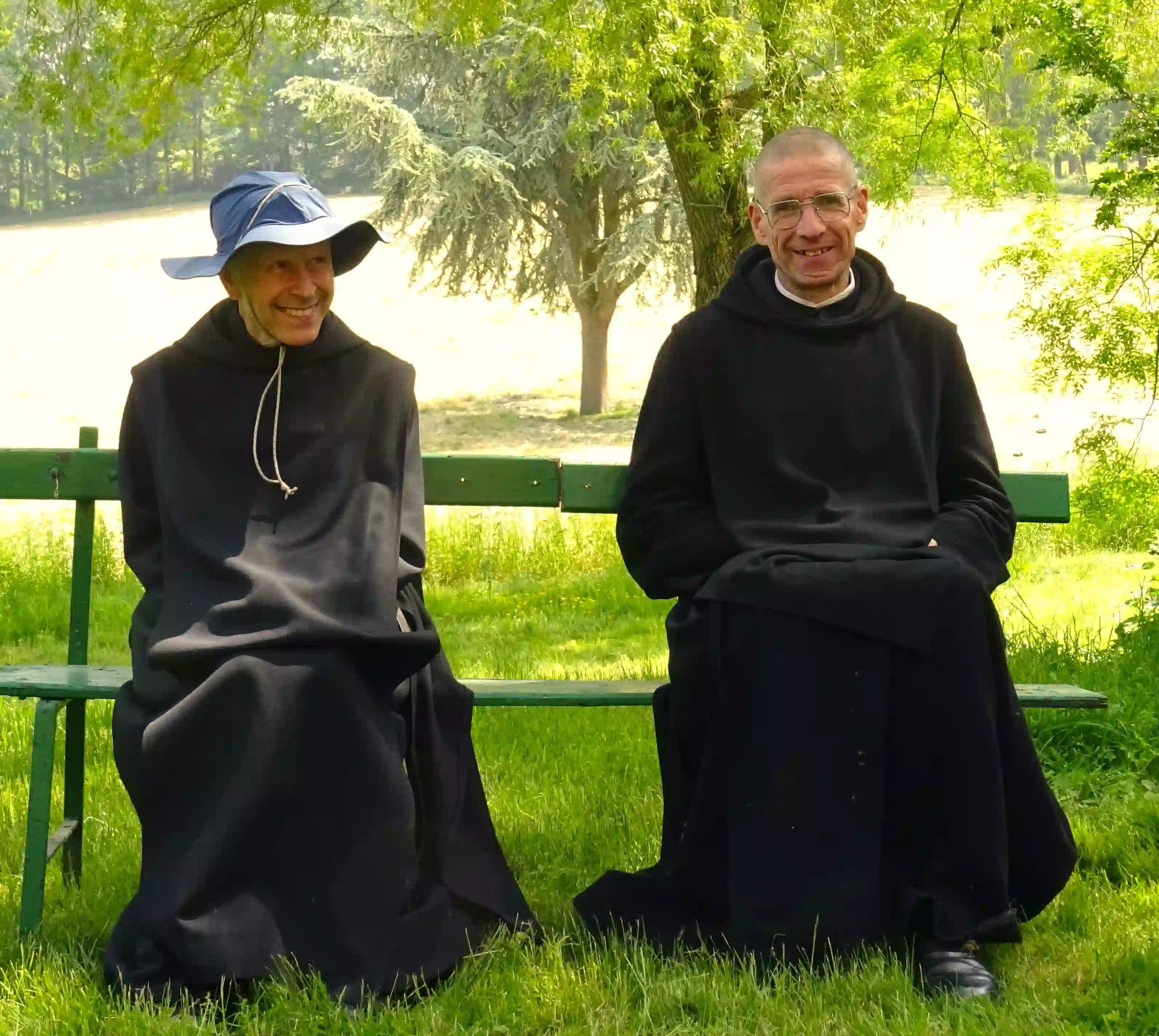
In Pas-de-Calais, a delightful community of Benedictine monks welcomes you to Saint-Paul de Wisques Abbey!
An ideal place, in the heart of nature, for a spiritual retreat following the rhythm of monastic life.
Retreats organized by the community
Saint-Paul de Wisques Abbey, a monastery in Pas-de-Calais
The region of Wisques, called Morinie, received its first evangelization in the 3rd century. It is a Marian and monastic land. Saint Omer, who became the first bishop of Thérouanne around 640, founded Saint Mary's Church, the current Saint-Omer Cathedral, and the monastery that would take the name of its second abbot: Saint-Bertin Abbey, which flourished until its violent dispersion in 1791. Not far from Wisques, a few remnants remain of Clairmarais Abbey, founded in 1140 by Thierry of Alsace according to the rules of the Cistercian Order, whose monks were dispersed during the Revolution, and those of the Charterhouse of Longuenesse, founded in 1298, where the holy pilgrim Benoît-Joseph Labre unsuccessfully attempted to enter in 1767.
In 1833, Dom Prosper Guéranger, who would visit Clairmarais in 1871, restored Benedictine life in France at Saint-Pierre Abbey in Solesmes, which gave rise to the Congregation of Solesmes.
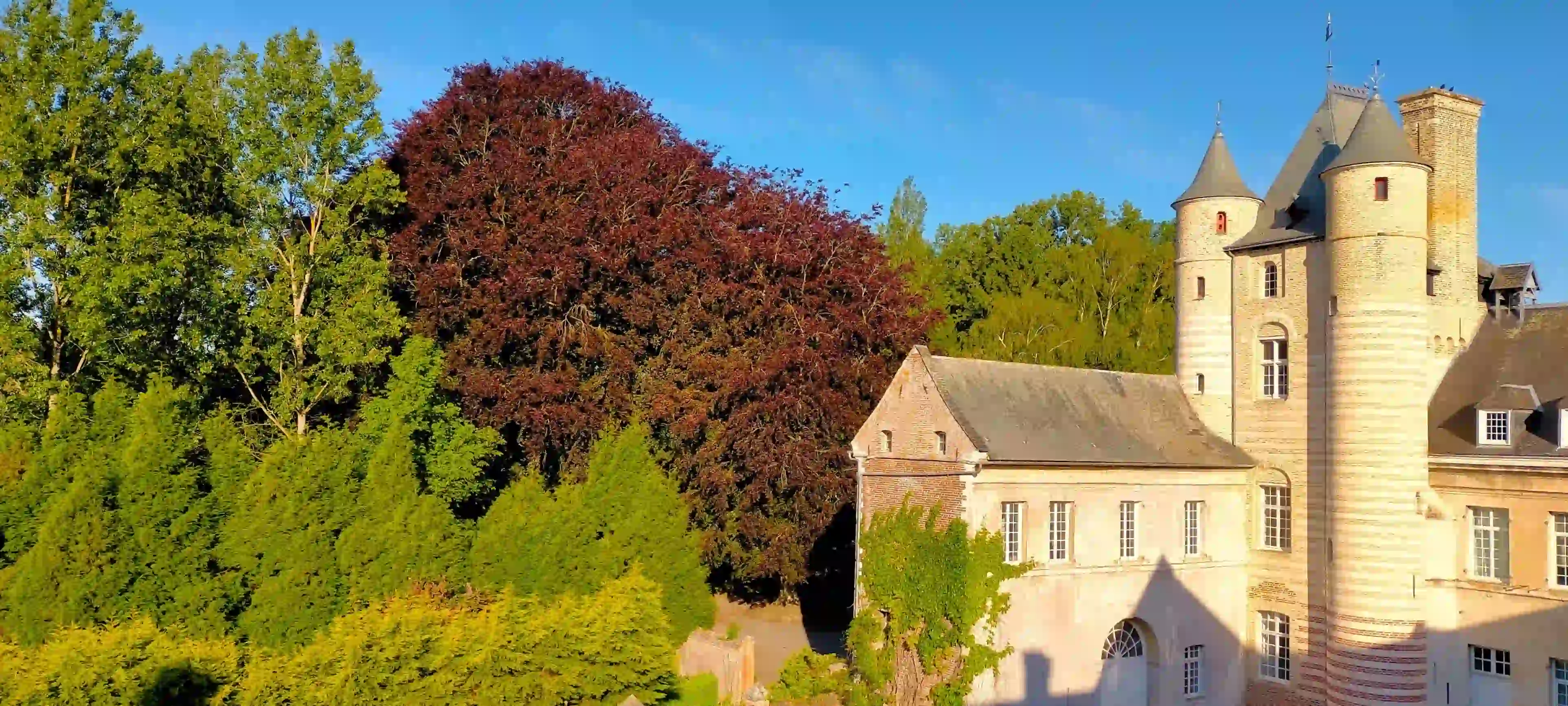
In 1889, the nuns of Sainte-Cécile Abbey of Solesmes received a 130-hectare estate in Wisques, on which two châteaux were located. The four monks assigned to assist them initially settled in the "Petit Château", then, in 1894, in the "Grand Château", once construction of the nuns' monastery on the hill was completed. The following year, the monks' monastery was established as an autonomous priory.
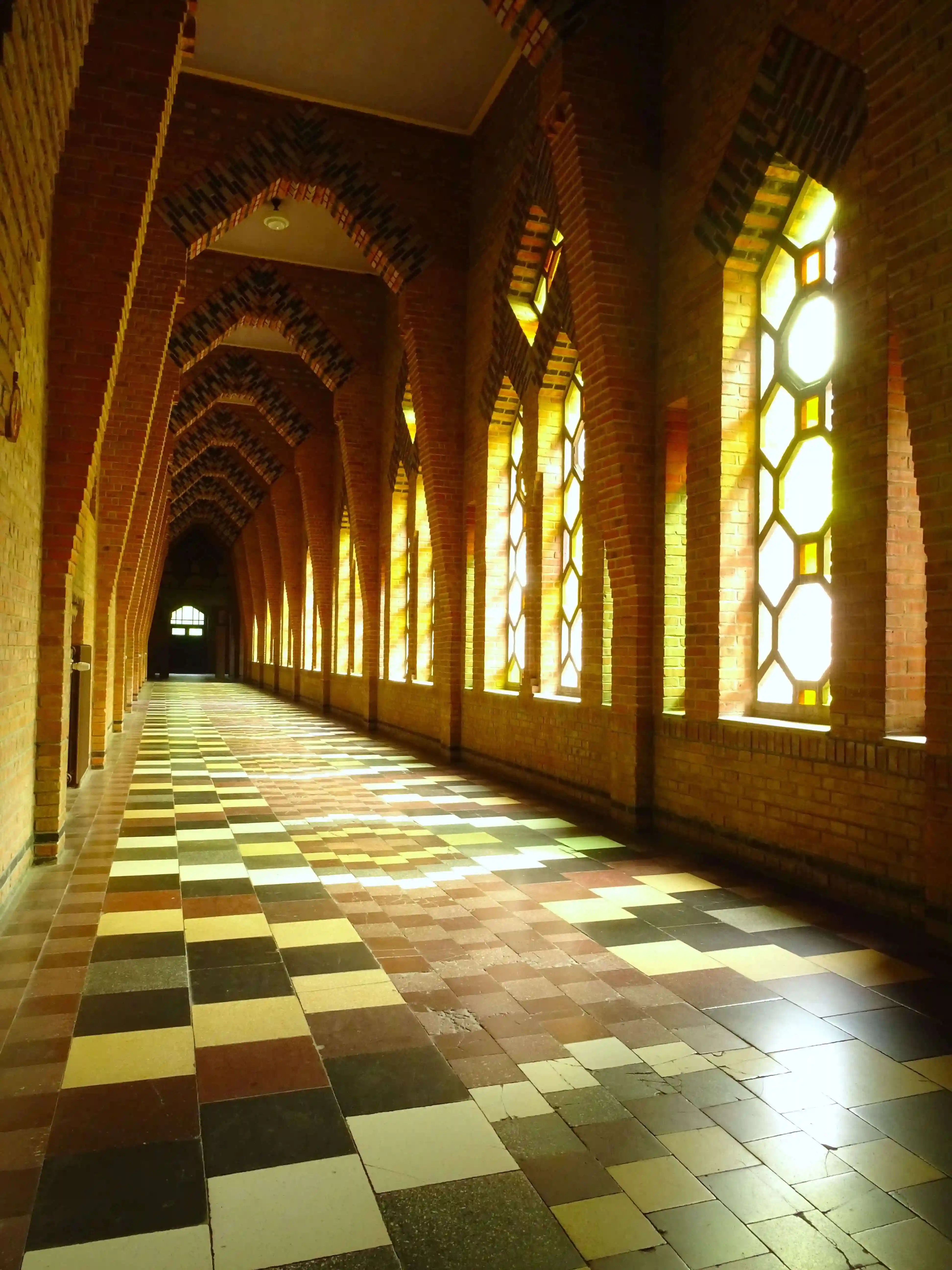
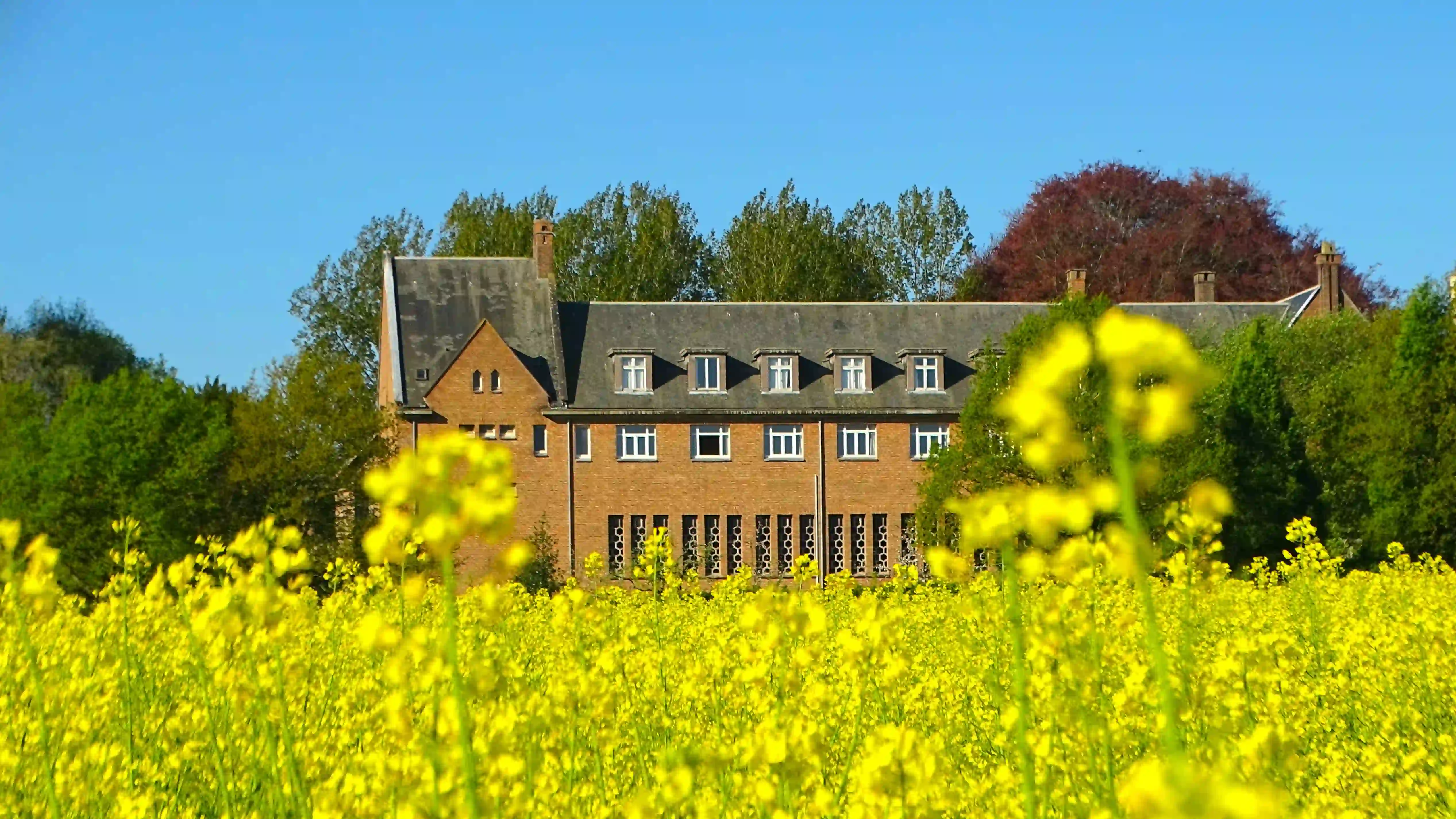
In 1901, laws passed against religious congregations forced the monks to go into exile in Belgium, from where, in 1907, they joined the nuns in Oosterhout, in the Netherlands. In 1920, some of the monks returned to Wisques. Their monastery became an abbey in 1928. In 1930-1931, Dom Paul Bellot (1876-1944), a monk of Solesmes and renowned architect, added a refectory and the beginning of a cloister to Saint-Paul Abbey, work continued in 1950 by his disciple Joseph Philippe with the monastery's oratory.
In October 2013, as the community numbered only fourteen elderly monks, thirteen monks (nine Fathers and four Brothers) from Fontgombault Abbey came to help the community.

The prayer life of the Benedictine religious at Wisques Abbey
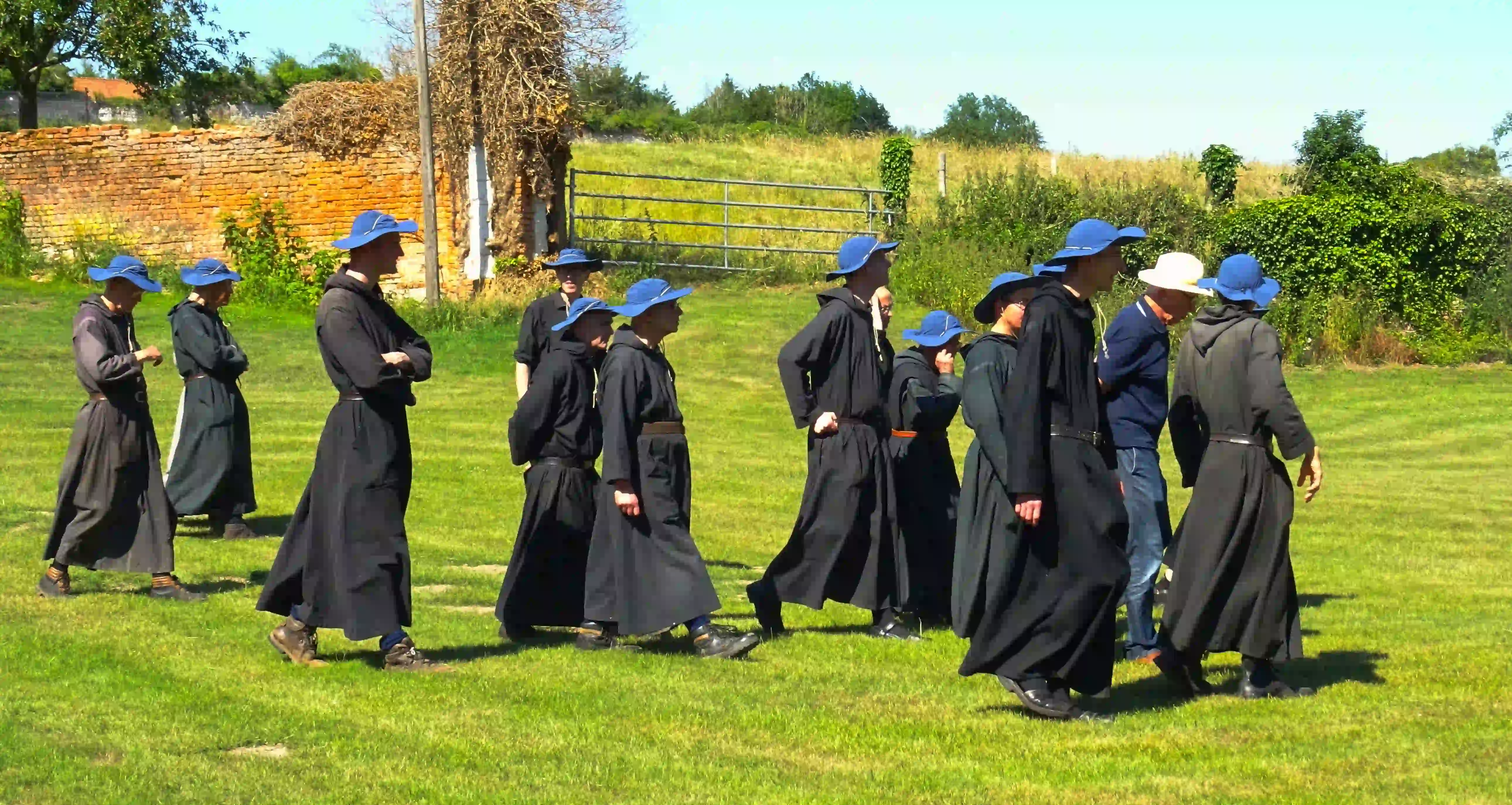
Saint-Paul de Wisques Abbey currently has fifteen monks. They live according to the Rule established by Saint Benedict in the 6th century. This text proposes a balance between prayer, study, and manual work: "Ora, lege et labora".
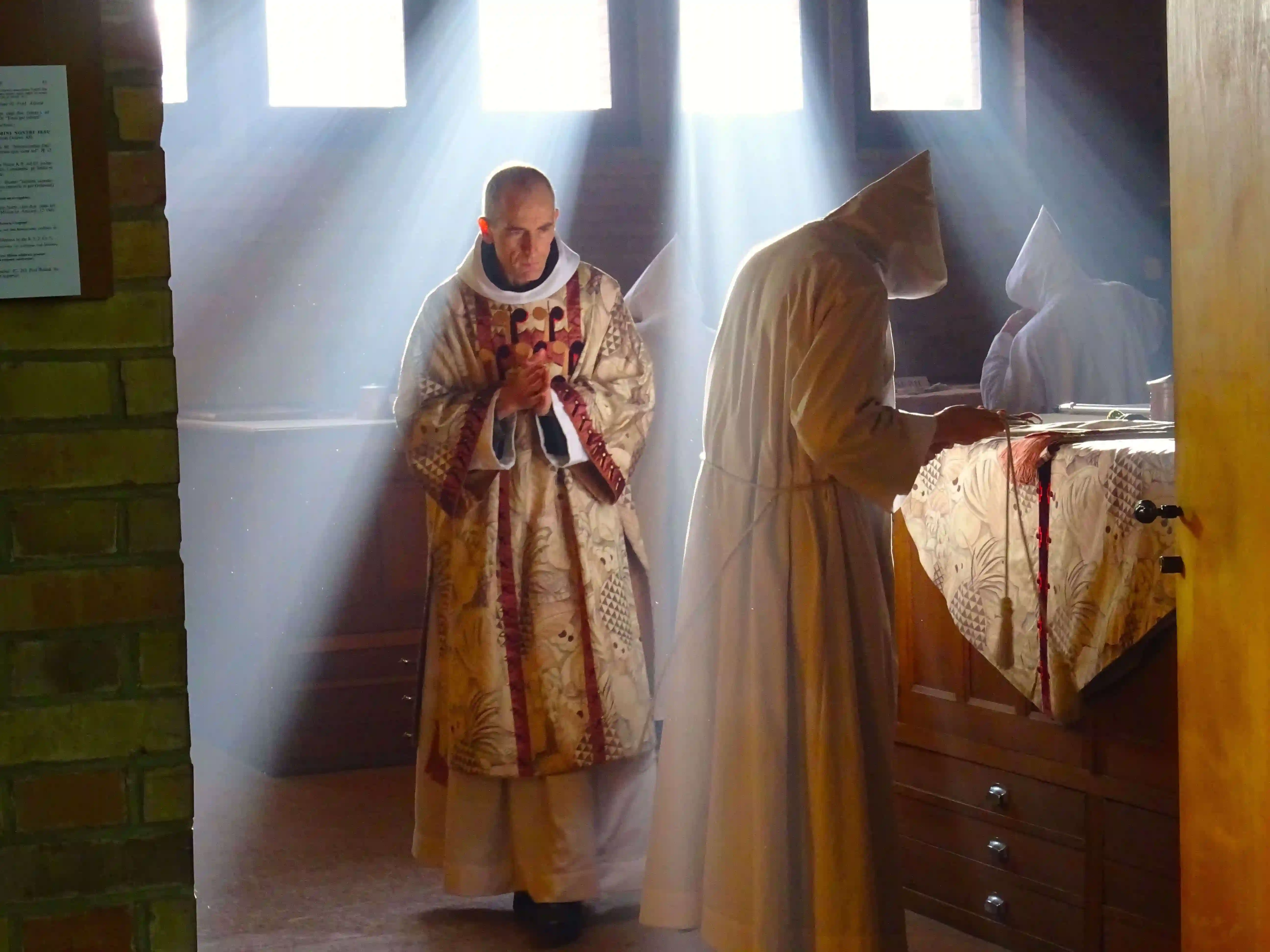
The monks strive to seek God in all things, and particularly by cultivating an intense life of prayer, both personal and communal. Saint Benedict provides for the monastic community to gather in church to pray eight times a day, so as to sanctify all moments of life.
The prayer life is also nourished by lectio divina, that is, by meditative reading of the Word of God and the study of various theological texts.
Work and ceramics at Saint-Paul de Wisques Abbey
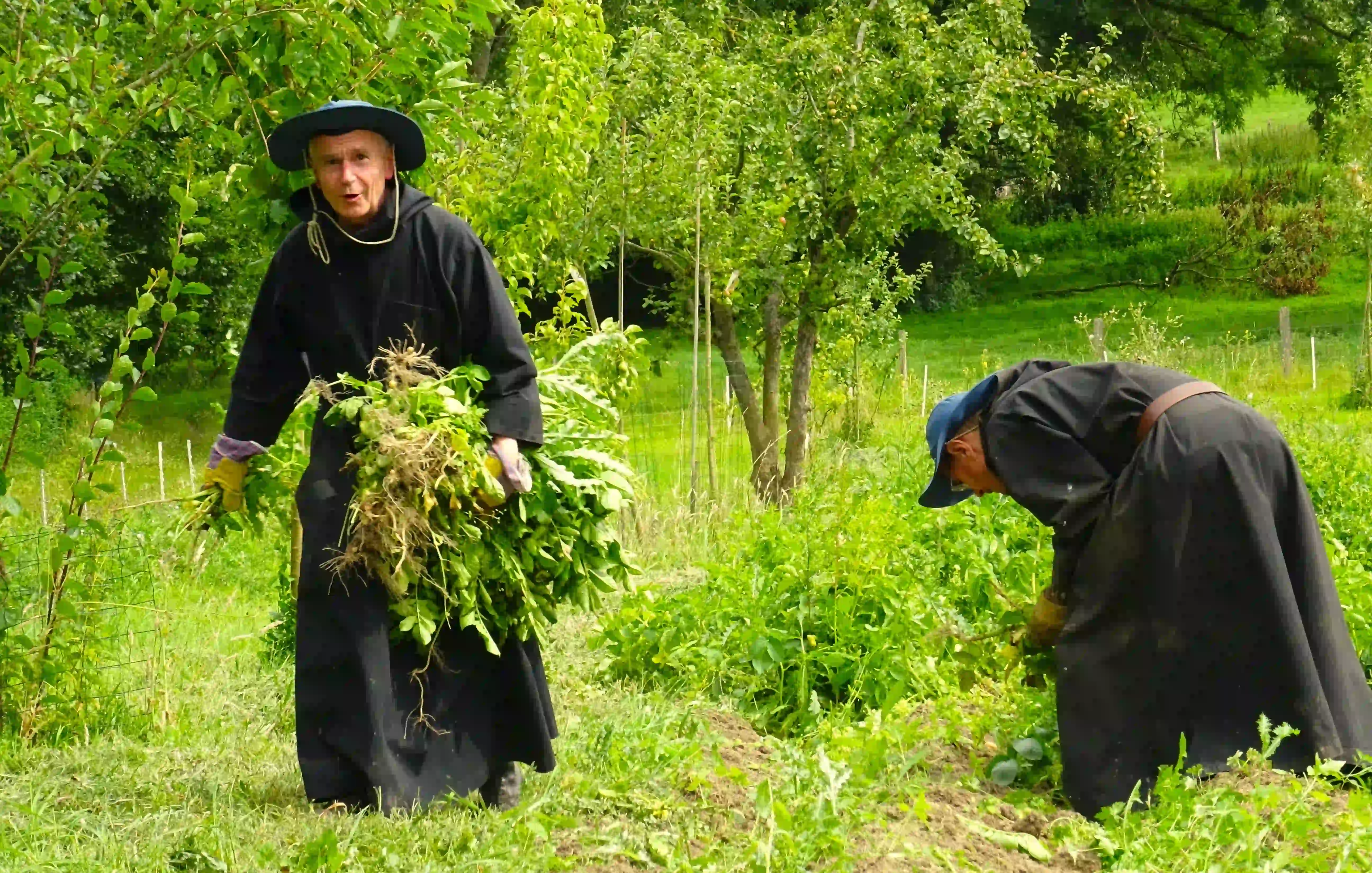
The religious also enjoy daily time devoted to manual work, whether the multiple and humble tasks required for maintaining vast buildings and the life of a community, or the various artisanal activities: vegetable garden, woodworking, garden, orchard, bakery, kitchen, jams, shop management and even... a ceramics workshop!
Daily life varies among the monks. The single monastic vocation is, in fact, lived somewhat differently by the choir monks (or "Fathers") and by the lay brothers (or "Brothers"). The former, normally called to the priesthood, are especially devoted to the celebration of the liturgy, but maintain a large share of manual work, while the latter dedicate themselves more to work, while still having an important prayer life. Both form a single family, animated by fraternal charity.
One certainty: the daily schedule is quite full at Wisques, from waking at 5 a.m. until the last prayer at 9 p.m.!
What to expect during your stay
Wisques Abbey: an ideal setting for a spiritual retreat
Hospitality is an important value of the Benedictine ideal. Believers or not, guests who spend a few days at the guest house come for very diverse reasons: the need to deepen their faith, to enjoy the silence, to find renewal, to reflect on themselves and their lives, alone or with the help of a monk.
Individual retreatants can be welcomed for stays of up to one week. Such a stay allows you to:
- participate in the monks' prayer: liturgical offices sung in Gregorian chant and Latin,
- take time for silent prayer,
- enrich your spiritual life through contact with that of the monks,
- enjoy a setting of calm and serenity,
- take time to find renewal, particularly through contact with nature.
Custom-designed guest house to find renewal at Wisques Abbey
Saint-Paul de Wisques Abbey welcomes both men and women, individuals or groups, but under different arrangements.
Men are accommodated within the monastic guest house (15 places). They participate in the life of the community: guests have individual cells, a library, take their meals with the monks and listen to the readings in the refectory with them.
For women, couples, families and groups, very close to the abbey, in the village of Wisques, the monks make available two houses with several rooms, living room, equipped kitchen, bathroom, WC, garden.
- Sheets are provided for those who wish.
- Meals are taken independently.
What does a spiritual retreat at Wisques Abbey consist of?
For everyone, men and women, the essence of a retreat consists of:
- participating in the monks' liturgical prayer in the church several times a day (required condition for staying at the guest house).
- helping the community, if you wish, with small manual tasks (kitchen work, maintenance of houses and gardens...).
- The rest of the time is usually devoted to reading, reflection and personal prayer or walks in the surroundings.
- It is also possible, if you wish, to receive spiritual guidance from a monk.
Students are also welcome to study for their exams in a setting conducive to calm and silence. They commit to participating in at least two liturgical offices per day.
Geography and activities
In the Pas-de-Calais department (62), Saint-Paul de Wisques Abbey is situated in an exceptional setting, just 25 kilometers from the sea and in the heart of the Caps et Marais d'Opale Regional Nature Park!
Activities around Saint-Paul de Wisques Abbey
From the abbey, various activities are accessible, on foot or by car:
- The monks have several hiking trails through the countryside to suggest in the abbey's surroundings!
- In Saint-Omer (10 minutes by car), the sublime Audomarois marshlands: a network of medieval canals in a wetland area rich in biodiversity!
- War remnants, particularly the Eperlecques blockhouse and Helfaut dome, the famous V2 rocket launch site (15km away),
- 15 minutes away, the ruins of Clairmarais Abbey and Saint-Bertin Abbey, moving vestiges of the region's religious past,
- 30 kilometers away, the unmissable Opal Coast bordering the English Channel, with its majestic cliffs.