Sainte-Baume Sanctuary
.webp)
.webp)
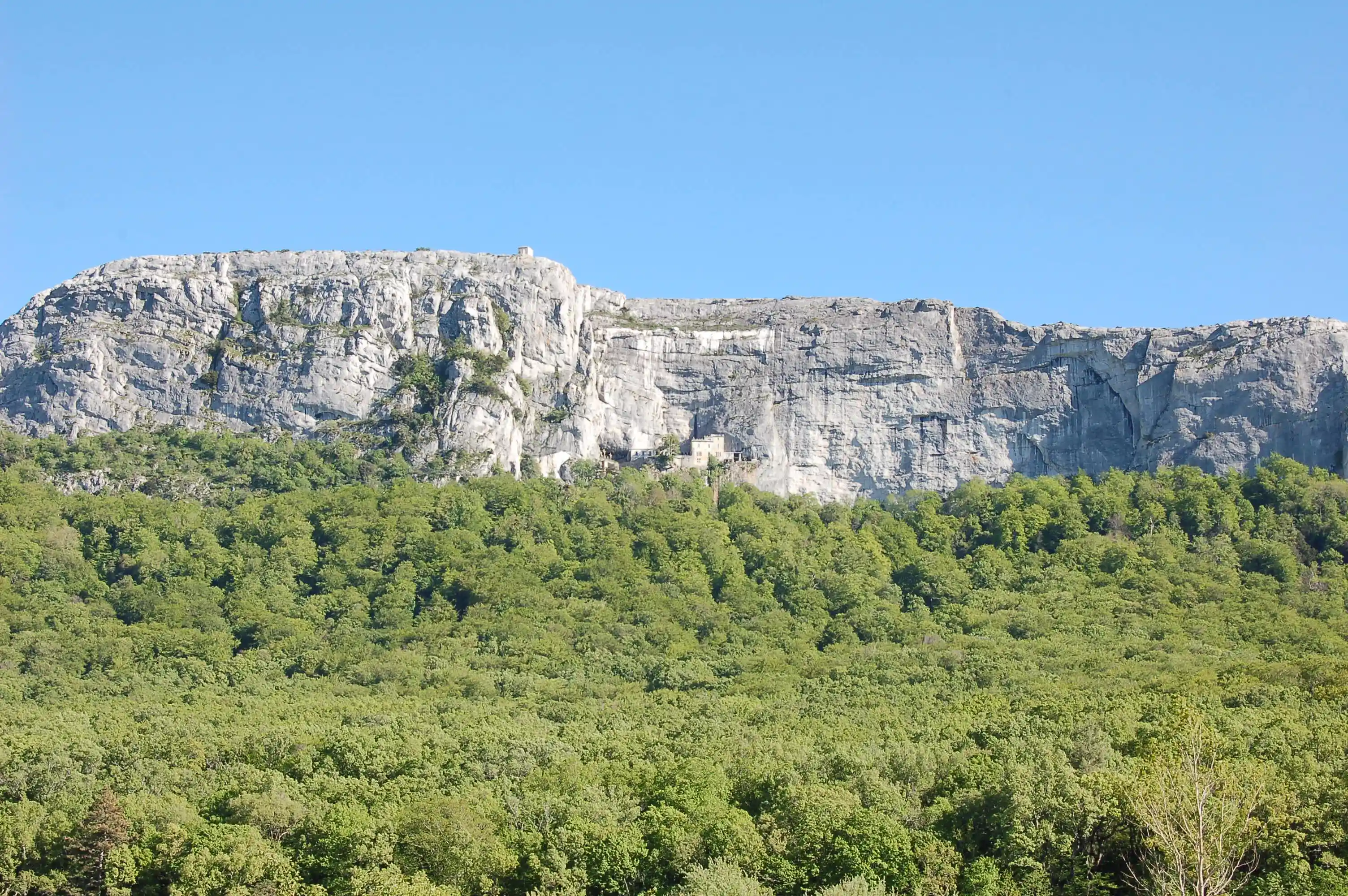
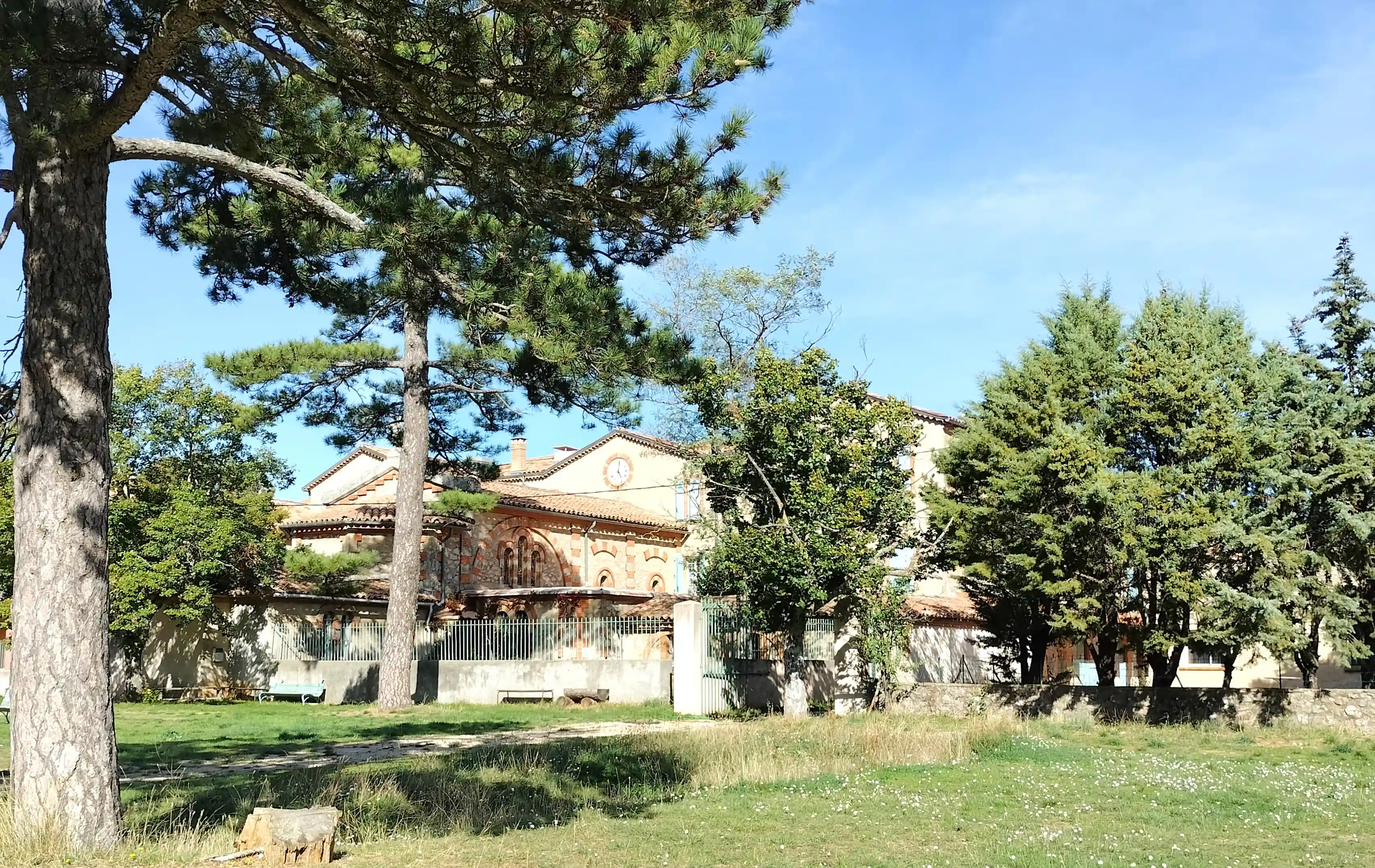
In the heart of Provence, within the Sainte-Baume massif, stands the Cave of Saint Mary Magdalene, a sanctuary maintained by Dominican friars. At the foot of the cave is the guest house.
The sanctuary welcomes individuals, couples, and families, as well as groups (dioceses, parishes, chaplaincies), religious communities, and hikers. Take advantage of the gentle Provençal climate to recharge for a night or longer and enjoy the landscape.
For those who wish, Mass and the Liturgy of the Hours are celebrated daily in the chapel or at the cave. It is also possible to request a meeting with a friar during your stay.
Retreats organized by the community
The history of the Sainte-Baume Sanctuary
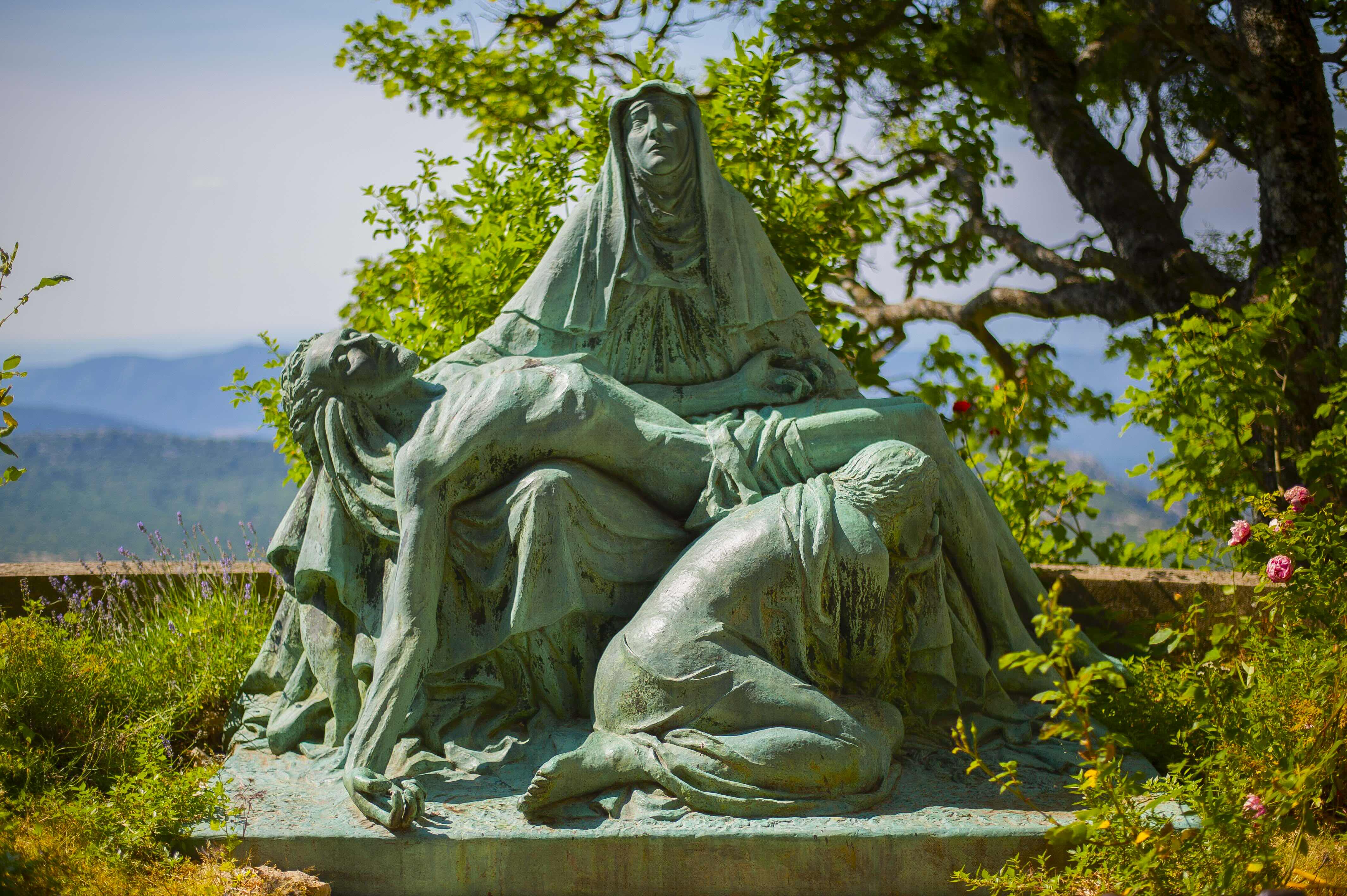
The Sainte-Baume Sanctuary, along with the Basilica of Saint Maximin, forms the heart of the veneration of Saint Mary Magdalene. The Western Church identifies this woman, mentioned several times in the Gospels, as the sinner pardoned by Christ, the sister of Martha and Lazarus, and the first person to whom Christ appeared after his resurrection.
Provençal tradition tells us that Mary Magdalene, after fleeing the Holy Land, landed in what is now the town of Saintes-Maries-de-la-Mer alongside Lazarus, Martha, Maximin, Mary Jacobé, and Mary-Salomé. Following a period of evangelization, she withdrew to a cave, now known as the Sainte-Baume ("baumo" being the Provençal term meaning "cave"). After living there for thirty years, she died after receiving a final communion, administered by Saint Maximin. Her tomb was placed in the town that now bears this disciple's name.
Today, the sanctuary attracts not only pilgrims seeking contemplation, but also hikers, walkers, and tourists. Yet Mary Magdalene continues to inspire profound interest among all these visitors, remaining a particularly venerated figure. This is evidenced by the numerous candles placed in the cave and the messages left around the reliquary.
The sanctuary developed over the centuries, particularly around the cave, especially from the 13th century onwards with the arrival of the Dominicans. Having become a major site of Western Christianity, the cave received visits from numerous popes and kings. The sanctuary's history follows that of the cave: pillaged during the Wars of Religion, destroyed during the French Revolution, the sanctuary was gradually rebuilt in the 19th century, under the leadership of Father Henri Lacordaire.
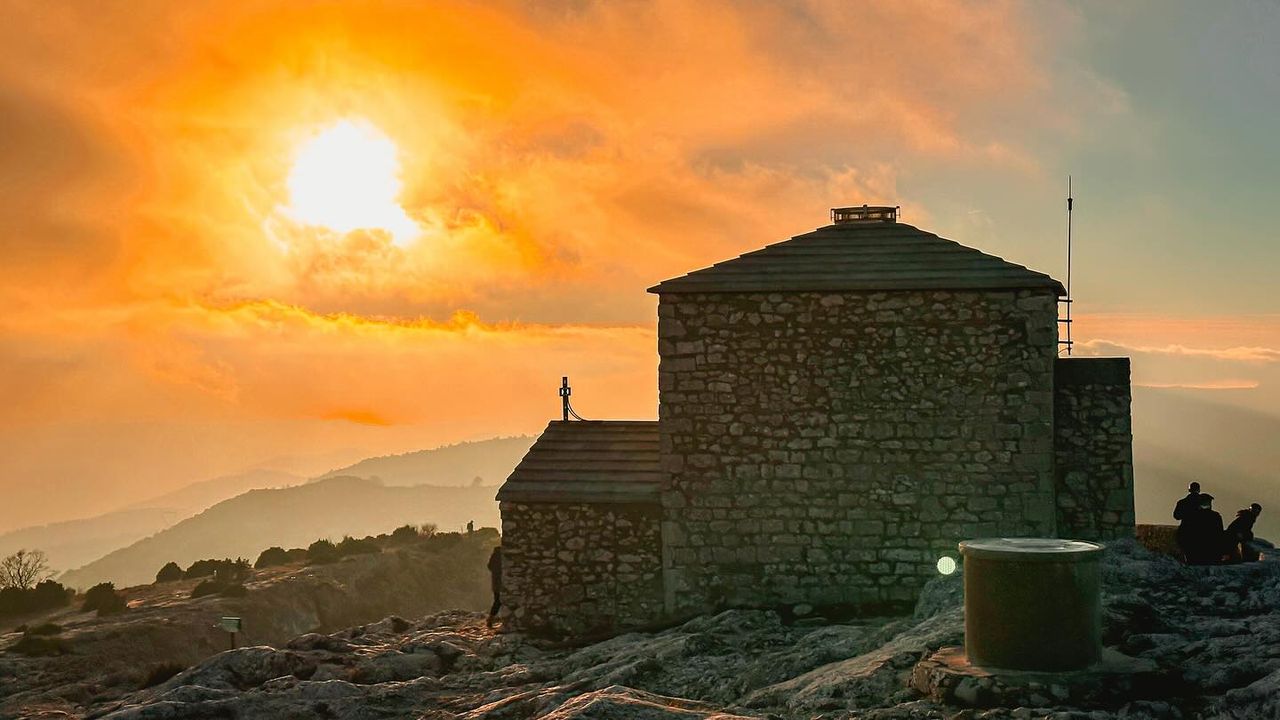
The new guest house built in the plain in the mid-19th century made it possible once again to welcome pilgrims to the sanctuary. In addition to the guest house and the cave, the sanctuary has various places of worship and devotion scattered throughout the forest: the Parisians' Chapel, the Saint-Pilon Chapel, and oratories (which survived the destruction). The Parisians' Chapel and the oratories are classified as Historical Monuments.
Saint Mary Magdalene as a model for the Dominicans
During Mary Magdalene's apparition to Charles II of Anjou in the 13th century, the saint asked the count to find her tomb, but also to bring "her brothers the Dominicans" to be its guardians. This is how the Dominicans, or "preaching friars," were called to Saint Maximin and Sainte-Baume from the late 13th century.
The founder of the Dominican order, Saint Dominic, wanted not a monastic order like those that already existed, but friars whose mission is to proclaim the Gospel, namely the good news of Christ's Resurrection: the heart of the Christian faith.
Why does this religious order, which resides in convents located in city centers, guard this sanctuary hidden deep in Provence? Apart from Mary Magdalene's request to the Count of Provence, no historical evidence justifies it.
As the first witness to the Resurrection, Mary Magdalene was charged by Jesus to announce this good news to the apostles. She thus revealed that Christ had freed humanity from death and evil, which earned her the title of apostle to the apostles. This message of hope, still relevant today, continues to comfort, uplift, and inspire those who receive it. This is why the sanctuary is called the "Rock of Mercy": Mary Magdalene contemplated and adored Christ there, the solid rock on which we can build our lives.
Since the 2000s, Dominican friars have been permanently stationed at the sanctuary to ensure the welcome of visitors to the guest house and the spiritual animation of the place. The friars also offer young people the opportunity to come and live for 6 to 9 months as part of a year for God program.
What to expect during your stay
Discover an iconic spiritual retreat location in Provence
You can benefit from the spiritual guidance of the Dominican friars every day of the week* by joining the chapel located within the guest house:
- 7:30 AM Matins and Lauds (8:00 AM on Mondays)
- 11:30 AM Sext
- 11:45 AM Mass at the guest house
- 6:00 PM Vespers**
- 6:30 PM Adoration***
- 9:00 PM Compline
*Except Wednesdays **6:30 PM on Sundays ***Except Sundays
Mass is also celebrated at 11:00 AM daily at the cave.

A welcoming place with many spiritual retreat possibilities
The sanctuary offers and organizes:
- spiritual guidance
- group retreats (schools, dioceses, scouts, etc.)
- sessions (spiritual hiking, newcomers' weekends, naturopathy, etc.)
- accommodation for students and young professionals (School of Life, Volunteers)
A guest house with large capacity
The Sainte-Baume guest house is not a regular hotel: it is a religious house run by Dominican friars.
It consists of:
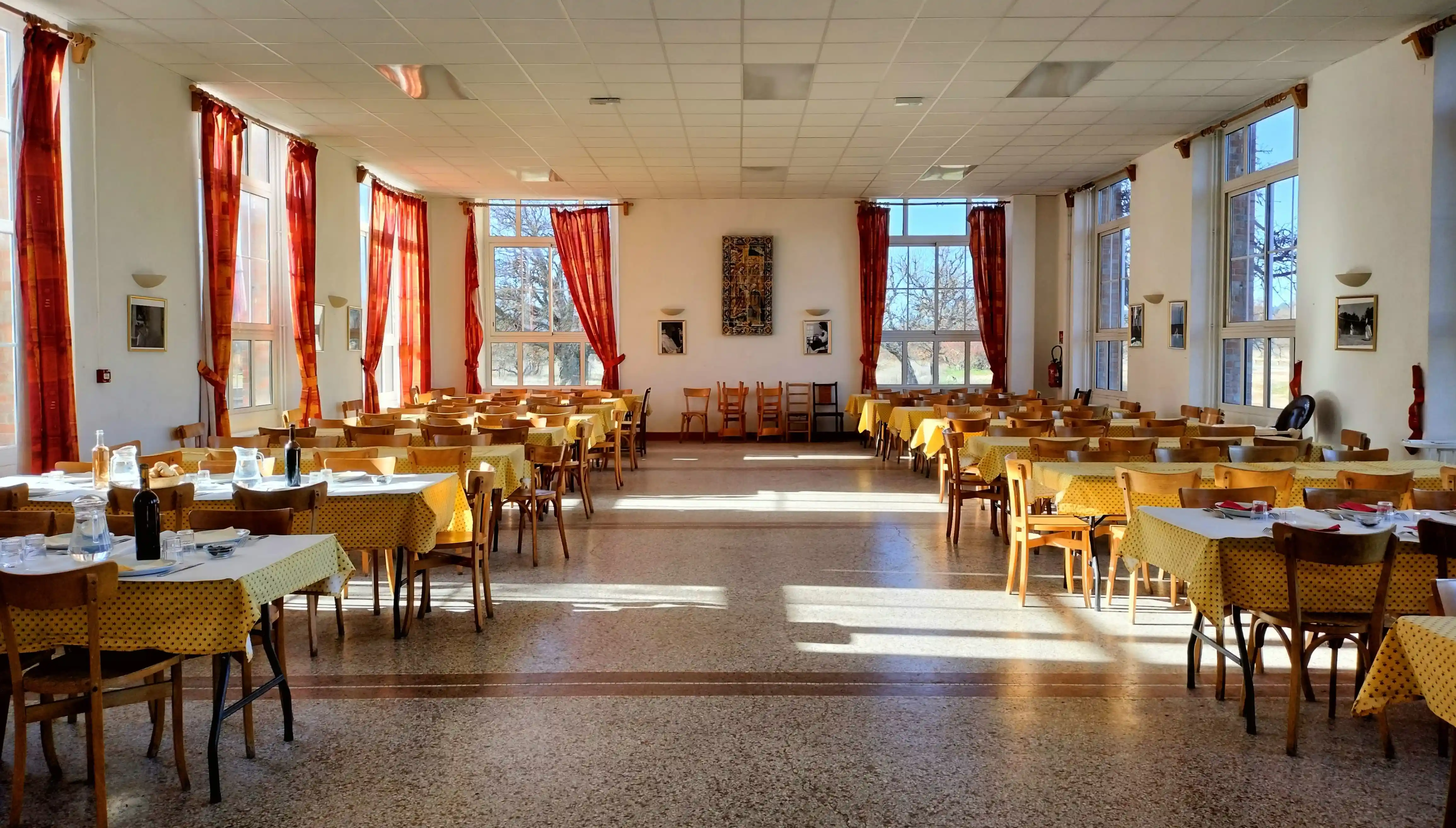
- a main building housing a chapel, 3 parlors, a library, a refectory, 5 meeting rooms with capacity ranging from 50 to 280 people
- another wing housing a conference room, a common room (dormitories and kitchen), a pilgrim shop (selling books and religious items)
And equipped with 174 beds:
- 36 rooms with bathroom
- 31 rooms with sink
- 43 beds distributed in 6 dormitories (6 to 14 beds each) in the common area
The dining room can accommodate 190 people.
Meals (fixed menu) are offered at set times, served by the friars assisted by the guests.
Geography and activities
The Sainte-Baume Sanctuary, an iconic location in southeastern France
Located in the heart of the Provence-Alpes-Côte d'Azur region, in the Diocese of Fréjus-Toulon and nestled at the foot of the Sainte-Baume massif, the sanctuary extends within a preserved natural setting, surrounded by forests of oak and beech trees, offering an exceptional panorama.
The Cave of Saint Mary Magdalene, a major pilgrimage site since the Middle Ages, is located on the mountainside, at approximately 950 meters altitude. The Sainte-Baume massif, rising to over 1,100 meters, is a true haven of peace, conducive to meditation and contemplation.
The sanctuary is located near the town of Saint-Maximin-la-Sainte-Baume, and is easily accessible from Marseille, Toulon, and Aix-en-Provence. Its location in a protected area (regional natural park) gives the site an authentic and wild character, with numerous hiking trails that allow you to discover the beauty of Provençal landscapes.
.webp)
Many activities at Sainte-Baume: hiking, cycling, authentic villages
Ladies and gentlemen hikers, you are in for a treat!
The Kings' Path: this historic hiking trail, once traveled by kings and pilgrims, leads to the cave. It offers a pleasant route, surrounded by wooded and rocky landscapes.
The Bertagne Peak: for more experienced hikers, this summit offers a panoramic view of the entire region. Accessible via medium to high difficulty trails, it's a beautiful excursion to admire Provence's terrain.
The Sources of the Huveaune: nestled in the heart of the Sainte-Baume massif, the sources of the Huveaune are accessible by hiking trails. This watercourse, which crosses Marseille before flowing into the Mediterranean, originates in a cave at approximately 600 meters altitude. The site is surrounded by lush nature, with waterfalls and natural pools that invite contemplation.
By bike or car, the possibilities are endless!
Saint-Maximin-la-Sainte-Baume (20 minutes by car): This small town houses the Basilica of Saint Mary Magdalene, a Gothic masterpiece where Mary Magdalene's relics rest. You will also find cafés and Provençal restaurants.
The Espigoulier Pass: This iconic pass, located a few kilometers from the sanctuary, is the highest in the region at 723 meters altitude. Accessible by car or bicycle, it is also a starting point for hikes. It offers a spectacular view of the Sainte-Baume massif on one side, and the Garlaban valley and the Mediterranean Sea on the other. It's a place popular with nature lovers and outdoor activity enthusiasts, ideal for a day trip or simply to admire the Provençal landscapes from the heights.
The Pivaut ice house: The most spectacular of the Sainte-Baume ice houses, a circular building 23 meters high and over 17 meters in diameter (and the only site open to the public). It was used to store ice intended for the city of Toulon for summer preservation.
The Sainte-Victoire Massif (45 minutes by car): Located near Aix-en-Provence, this mountain massif is famous for its striking landscapes, which inspired painters like Cézanne. It offers numerous hikes and viewpoints.
The Provence Wine Route: About thirty minutes away by car, you can explore Provençal vineyards and discover local cellars for wine tastings.
The village of Cassis and its Calanques (1 hour by car): About an hour's drive away, you can reach the picturesque village of Cassis, famous for its beaches and calanques, where coastal hikes offer breathtaking views of the Mediterranean.
Aix-en-Provence (50 minutes by car): This city of art and culture, with its markets, museums, and cafés, is a beautiful option for a cultural excursion.